

Audio By Carbonatix
On Oct. 28, 2024, U.S. Secretary of State Antony Blinken announced a policy to “restrict U.S. visas for any individual responsible for undermining democracy in Ghana.” The announcement came in advance of Ghana’s presidential and parliamentary elections, slated for Dec. 7.
I supported that policy against those who undermine democracy — including freedom of the press, one of democracy’s cardinal tenets — in Ghana. But a week after it was unveiled, Americans went to the polls and elected Donald Trump. His victory is a victory for impunity and sends the wrong signals to countries such as mine.
Before 2017, I practised journalism in Ghana without fear. A new government then poisoned the media space with physical assault, arbitrary arrests, prosecutions, and murder. The perpetrators, mainly politicians and state security officials, went unpunished. I went into exile twice, drove with armed police escorts, and was compelled to take a break to preserve my mental health. And I was among the lucky journalists.
In the summer of 2018, Kennedy Ohene Agyapong, a ranking member of parliament, put a photograph of undercover investigative journalist Ahmed Hussein-Suale on a national TV station Agyapong owns, urging people to attack him.
Not long after, two gunmen shot and killed Hussein-Suale near his home. Nobody has been arrested or prosecuted for the slaying. Later, when Agyapong placed second in the presidential primaries of the governing party in 2023, some of his followers referred to him as Ghana’s Donald Trump. That’s how America’s bad example can be emulated elsewhere.
You do not light a lamp at night to identify a person you know well, a Ghanaian proverb goes. Americans, especially journalists, already know Trump and can expect another tumultuous journey ahead. In these hard times, journalists can win if they proactively counter the new Trump administration’s anticipated playbook.
The administration will put its jackhammer into the cracks that developed in media organizations such as the Los Angeles Times and The Washington Post in the weeks before the 2024 election, when both newspapers shocked readers by reversing their endorsement policies at the last minute and declining to endorse Kamala Harris, resulting in internal strife. As has happened in Ghana, politicians and Trump supporters will no doubt target specific journalists and media organizations for retribution and persecution. Journalists should not rule out a rise in attacks, including physical harm.
America’s media must, however, be careful to refuse to rise to some of Trump’s bait. Don’t relinquish your agenda-setting power to Trump. Cover him, but don’t allow him to mislead you with his unending antics and logorrhea. Be alive to your supreme responsibility to hold Trump and his administration accountable, and don’t forget the other stories that matter.
Accountability journalism is much harder in harsh conditions, but there’s no better time to marshal such forces than when a man immune to scandals and averse to accountability oversees the United States. Eternal vigilance is the price of liberty, but journalists must go beyond vigilance. They must aggressively push back against the boulders of oppression.
If tough times are noted for producing tough people, despotic regimes can birth great journalism.
*******
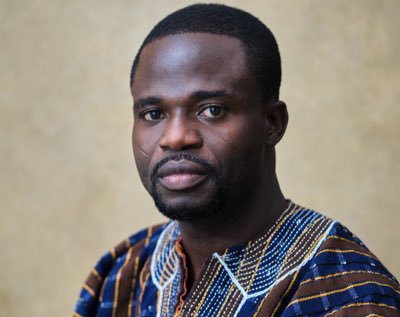
Manasseh Azure Awuni, NF ’24, is an award-winning Ghanaian investigative journalist.
Latest Stories
-
Mr President, Ghana was mentioned at the UN; why aren’t we talking about it?
3 hours -
Accra to convene Africa’s regulators and markets on tokenisation at AVAS 2026
3 hours -
The Paradox of Plenty — When every smartphone becomes a newsroom
3 hours -
GTA sensitises taxi drivers in ‘Know Ghana’ tourism campaign
4 hours -
Archbishop Agyinasare calls for responsible speech amid growing social media abuse
5 hours -
‘It will be inexcusable for gov’t not to honour payment of teachers’ arrears by 30th October’ – Haruna Iddrisu
5 hours -
Forbes’ World’s Best Employers 2026: No Ghanaian firm ranked among 900 companies
5 hours -
Electronic processing of teachers’ data: ‘The decision is the Controller’s’ – GES boss
5 hours -
Teachers’ Strike: Haruna Iddrisu questions paper-based processing of promoted teachers’ data
5 hours -
Savannah Region: Kunfusi bridge collapses again, leaving nearly 4,000 residents cut off
5 hours -
Teachers’ strike: GES targets Monday deadline to submit promotion data to Controller
5 hours -
Inflation to average 11.3% in 2027 – Fitch Solutions
6 hours -
‘I didn’t campaign for NDC to come and do this nonsense’ – Kpebu on EOCO’s conduct
6 hours -
Fitch Solutions maintains policy rate forecast of 14% by December 2026
6 hours -
Diaspora Nasara Caucus congratulates Mohammed Ali Suraj, new NPP executives
7 hours