

Audio By Carbonatix
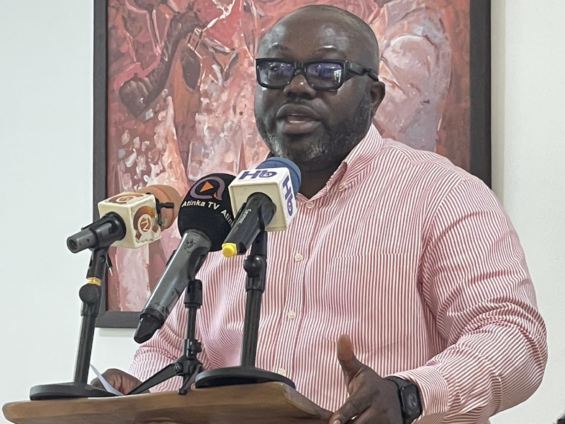
Mr Stephen Caleb Opuni, Africa Regional Director, IDF Foundation, an international organisation that promotes education, has urged journalists to emphasise youth voices in leadership and governance issues in the country.
He said that youth voices were important in decision-making policies and initiatives and should be prominently featured rather than sidelined.
Mr Opuni said this at the IDF Youth Speaks Press Briefing in Accra, which commemorated UN International Youth Day and the IDF Foundation's 15-year presence in Ghana, advocating education growth and development.
The event brought together students alumni of IDF Foundation’s Rising Schools project, a project implemented by the foundation to support low-fee private community schools, to share their views on how to champion youth voices.
He stressed that practitioners must be purposeful about creating spaces for young people to express their views and participate in developing policies and reforms.
“Oftentimes, the youth are objects of our programming, of our policies, of our developments. We need to ensure that their voices, their aspirations, as well as their interests and ideas are part of shaping the future of Ghana and the African continent.”
“Let us help to create these platforms where youth are around the sitting table, making sure that their futures are being taken care of, and have a part to play in shaping what the future looks like and also that the future reflects their aspirations,” he added.
According to Mr Opuni, for the youth to participate in local and global conversations, they must first be invited to the table within the school setting, then with local actors and organisations.
A level 200 Chemistry student at KNUST and an IDP Foundation Rising Schools Project alumni, Ms Latifah Mudasiru, advocated for the establishment of mental health awareness and counseling programmes for youths, particularly students, to assist them deal with depression and boost their morale.
She said that young people frequently struggle with worry and stress and lack access to support services.
“Mental health awareness and counseling programmes in schools can help students deal with personal experiences and trauma from home or their environment as they come to school. This would enable them stay focused in achieving their goals,” she added.
A KNUST environmental science graduate and Rising School Project alumni, Ms Margaret Awugyi, explained that the youth were sometimes hesitant to speak up due to cultural stigmas and perceptions that elders do not value their opinions, even on issues that directly affected them.
Latest Stories
-
Brandon Asante and Coventry all but promoted to Premier League despite Sheffield Wednesday draw
9 minutes -
GPL 2025/26: Late Kwartemaa strike downs Hearts in Tema
16 minutes -
Ghana Faces Sierra Leone Moment as Prosecutorial Powers come under strain
26 minutes -
Don’t consume fish or seafood from Tema Shipyard until further notice – FDA warns
30 minutes -
Why volunteering might be Africa’s most underrated career accelerator
37 minutes -
ActionAid Ghana raises concern over gender gaps in Feed Ghana Programme
39 minutes -
Windstorm wreaks havoc in Gushegu, displacing nearly 2,000 residents and damaging schools
41 minutes -
Friends of Bridget Bonnie Marks her 35th birthday with donation to Kasseh Model Health Centre
1 hour -
From Ekumfi Kokodo to the Pulpit Stage: Essi Donkor’s gospel journey takes shape
2 hours -
Landfilling waste management creates no value, it’s an economic waste
2 hours -
Photos: Speaker Bagbin Commissions MPs constituency office under parliamentary decentralisation programme
2 hours -
Black Stars technical advisor Winfried Schäfer sacked as GFA shakes up backroom staff
2 hours -
Wenchi water project almost complete, critical to gov’t agenda – GWL MD
3 hours -
Anti-LGBTQ+ bill not part of government’s legislative agenda – Inusah Fuseini
3 hours -
Anti-LGBTQ Bill: Forget the rumour mongers, I’m a man of action, and will pass the bill – Speaker
3 hours