

Audio By Carbonatix
The Food and Beverages Association of Ghana (FABAG) has welcomed government’s directive banning selected transit goods from entering the country via land borders, but warned that fruit juice and similar products could be next under the crackdown.
FABAG commended the Ministry of Finance and Finance Minister Dr Forson for the move, which requires goods such as rice, sugar, flour, textiles, spaghetti, and tomato paste to enter Ghana only through seaports.
“This decisive directive… represents a bold and timely intervention aimed at addressing the persistent challenges of smuggling, revenue losses and misclassification of goods that have plagued Ghana’s trade environment for many years,” the association said in a statement.
The body explained that Ghana has lost substantial revenue over the years as unscrupulous traders declare goods as transit cargo destined for neighbouring countries, only for them to be illegally diverted into the domestic market without paying appropriate duties and taxes.
“This practice has not only deprived the State of significant revenue but has also created an uneven playing field for legitimate manufacturers, importers, and distributors who comply with Ghana’s tax and regulatory requirements,” FABAG noted.
According to the association, routing goods through seaports will improve monitoring, inspection, and documentation, helping to reduce diversion and smuggling risks.
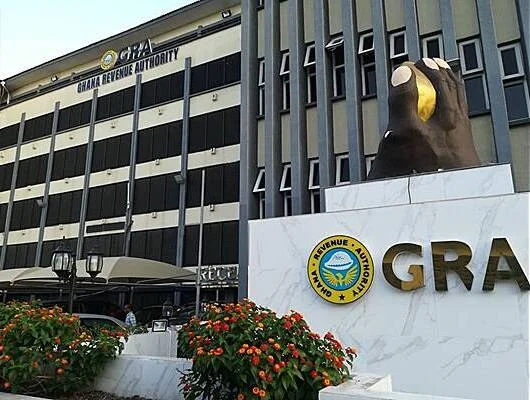
It urged the Ghana Revenue Authority, Ghana Customs Division, and other border agencies to ensure strict enforcement of the directive.
FABAG also recommended that the government consider expanding the policy to cover additional goods, specifically fruit juices and other similar products, to prevent traders from misclassifying restricted items to evade controls.
“There is a strong likelihood that some unscrupulous traders may attempt to circumvent the directive by deliberately misclassifying restricted products under other categories in order to evade the new controls,” the statement said.
The association stressed that expanding the directive would close potential loopholes and ensure the policy achieves its intended objectives of protecting revenue and supporting local manufacturers.
“Over the years, the Ghanaian economy has suffered considerable losses due to smuggling activities and deliberate misclassification of goods.
"These illegal practices undermine government revenue mobilisation efforts, distort fair competition, and threaten the survival of compliant businesses within the formal sector,” FABAG said.
The association described the directive as an important step toward restoring discipline, transparency, and accountability within Ghana’s trade and customs systems. It called for sustained vigilance to ensure the policy delivers its full benefits to the economy.
“Once again, FABAG commends the Minister for his bold leadership and calls for sustained vigilance and enforcement to ensure that the policy delivers its full benefits to the Ghanaian economy,” the statement concluded.
Latest Stories
-
Ghana should join BRICS as partner, not member – NPP Bono East Regional Secretary
49 seconds -
Ghana High Commission warns nationals in South Africa over protests in Johannesburg, Durban
55 seconds -
Mahama praises Roads Minister for keeping Big Push contractors on their toes
7 minutes -
World Cup Visa Scandal: ‘My client has not collected money for visas’ – Ampofo Ankrah’s lawyer
18 minutes -
US immigration officials defend ICE agents who shot man in same car as child
28 minutes -
Commentator Katie Zacharia picked as new White House press secretary
31 minutes -
Drone strike by Sudan paramilitary kills 41 near Ethiopian border, rights group says
37 minutes -
King warns malicious online actors are evolving tactics
44 minutes -
Several injured as Saudi capital airport reportedly hit again
47 minutes -
Christa Pike discharged from hospital and returned to prison, her lawyers say
49 minutes -
Ghana’s BRICS move requires clear strategy to manage risks – Godfred Bokpin
3 hours -
Pay teachers realistic income – Duncan Amoah to gov’t
3 hours -
Bechem to become chicken capital of Ghana – Mahama projects
3 hours -
Mentapulse Africa’s Health and Labour Summit calls for better working conditions to retain skilled professionals
3 hours -
Two-week strike will not derail academic calendar – GNAT President
3 hours