

Audio By Carbonatix
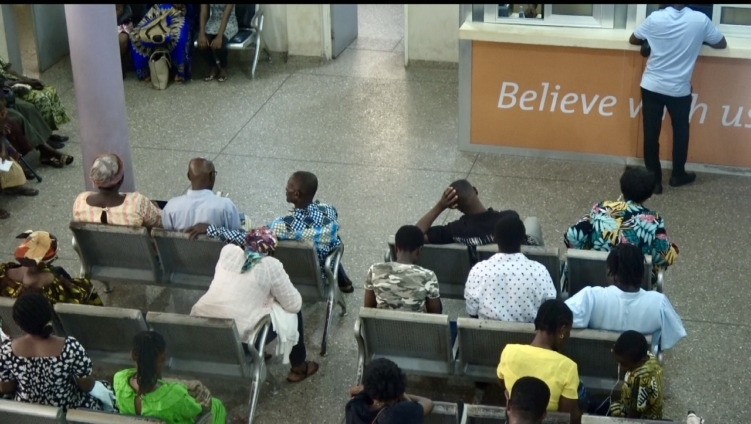
The Komfo Anokye Teaching Hospital is admitting over one thousand stroke patients every year.
The figure is in contrast to some 200 cases recorded 40 years ago.
A time-bound and minimally damaged treatment has been launched at the hospital to improve stroke treatment.
A decreased blood flow stroke occurs when the blood supply to part of the brain is blocked or reduced by a blood clot.

Stroke has been noted as a top rampant medical condition being recorded in the Komfo Anokye Teaching Hospital.
Treatment remains a challenge while experts explore contemporary treatment methods.
The drugs and medication previously used in stroke treatment did not dissolve blood clots, hence, leaving patients with a permanent disability.
Active stroke thrombolysis will administer clot-busting drugs and medication to dissolve blood clots in the brain during an acute ischemic stroke.
Thrombolysis services will incorporate thrombolysis into routine stroke care at Komfo Anokye (KATH).
At the launch of the implementation of thrombolysis services, Consultant Neurologist at KATH, Dr. Fred Stephen Sarfo said the new method is revolutionary.
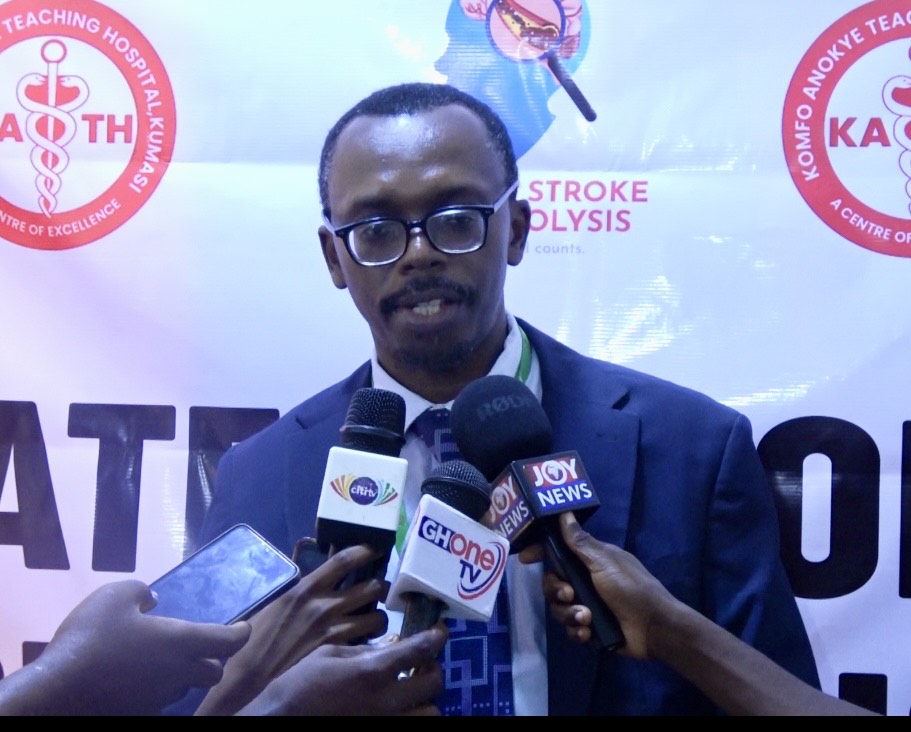
“That cloth is what the treatment [active Stroke thrombolysis] seeks to dissolve to restore blood flow to the brain, be able to talk again, and in essence, cure the stroke. Unlike in the past when there was not a proper cure for it. This is revolutionary and will change the stroke treatment landscape.
“This one almost cures the stroke so the person doesn't have to deal with paralysis and disability. The approximate cost is about 15 thousand cedis for treatment to be given and highly standardized and subsided at the Komfo Anokye," he said.
Chief Executive of the Komfo Anokye Teaching Hospital, Prof. Dr. Otchere Addai-Mensah says the hospital’s new strategy is to optimise the delivery of tertiary healthcare.
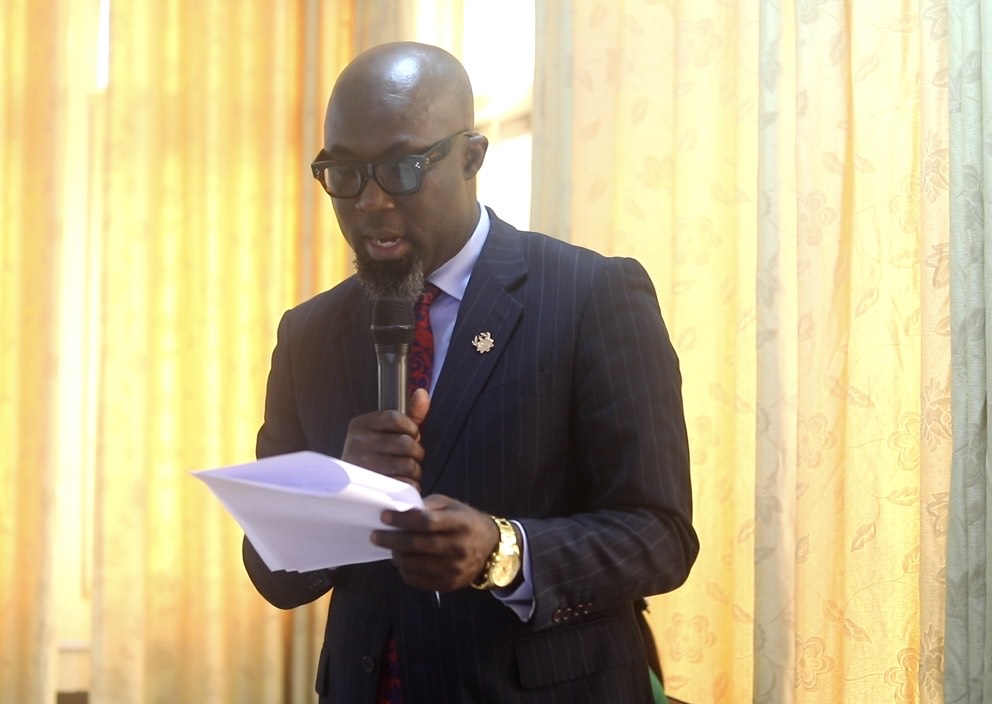
“In line with the hospital’s new strategy to optimize the delivery of tertiary healthcare through innovation and research, management has supported the KATH Multidisciplinary Stroke Thrombolysis Team to commence the delivery of this special service to save stroke patients brought in time to this hospital from suffering the worst possible impact of the disease.
“I will therefore, enjoin all stakeholders especially the peripheral hospitals and indeed members of the general public to act with speed in getting stroke patients quickly admitted at KATH for this service,” he said.
Deputy Regional Director of Clinic Care, Ghana Health Service, Rita Larsen-Reindolf is enjoining stakeholders to heighten public education on stroke.
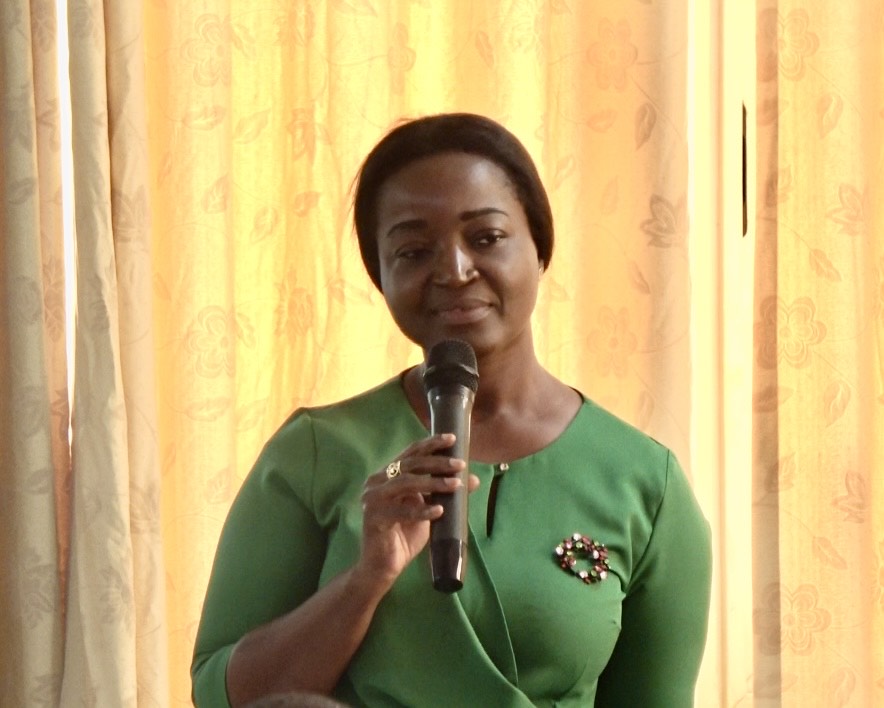
“Awareness can be championed by stakeholders. Ghana's health service is ready to take up the challenge and support the new step of KATH. For the immediate terms, awareness and public education is what we can capitalize on,” she said.
Latest Stories
-
The legal effect of the United Nations resolution declaring the Transatlantic Slave Trade the gravest crime against humanity
3 hours -
KNUST boosts petroleum engineering output with largest MSc cohort
4 hours -
E&P dispatches final batch of 30 dump truck buckets to Tarkwa site
4 hours -
NIB returns to profitability with over GH₵343M Profit After Tax – 2025 financial report
4 hours -
We knew it was weak – Resident says after deadly Accra New Town collapse
4 hours -
Government to borrow GH¢15.231bn via T-bills, bonds between March and June 2026
4 hours -
UN resolution just the beginning – Mahama on adoption of slave trade declaration
4 hours -
UN adoption of resolution declaring transatlantic slave trade gravest crime historic – Mahama
5 hours -
“This is a proud moment for Ghana, Africa” – Mahama after UN slave trade resolution
5 hours -
New Town building collapse: Two dead, 14 rescued so far as mission intensifies
5 hours -
Prolonged Middle East conflict poses significant risk to economy – BoG
5 hours -
Kafui Dey suggests seat fillers to fix late TGMA start
6 hours -
World Bank, GCEA provide FIDIC contract management training in Accra
6 hours -
T-bills auction: Government records 20.1% undersubscription; interest rates continue to surge
6 hours -
Scientists from Ghana, Brazil and UK gather in Kumasi to tackle biodiversity crisis with technology
6 hours