

Audio By Carbonatix
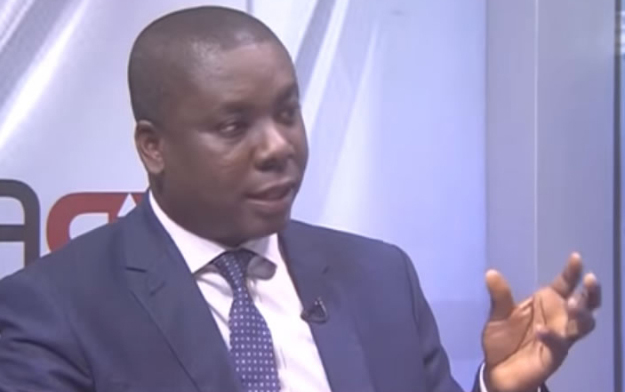
The spokesperson for Vice President Dr. Mahamudu Bawumia, Dr. Gideon Boako, has identified land acquisition challenges as the primary cause for delays in the completion of hostel facilities intended for head porters, commonly referred to as Kayayei.
Speaking on the matter, Dr. Boako underscored the importance of these hostels in providing a stable living environment for head porters, thereby facilitating their involvement in technical and vocational education and training (TVET) programs.
In an interview with Citi FM, Dr. Boako elaborated on the obstacles posed by land acquisition issues, which have significantly impeded the progress of many of these projects.
He emphasised the critical role that the completion of these hostels plays in addressing the housing needs of Kayayei and enabling their access to educational and training opportunities.
Dr. Boako highlighted the broader objectives of the TVET initiative, stating that it aims to establish a framework for managing migration inflows and devising employment strategies tailored to the needs of the Kayayei community.
By providing access to education and training within a supportive environment, he insisted that these initiatives seek to empower these individuals with the skills and resources necessary to improve their socioeconomic prospects.
The spokesperson reiterated the government's commitment to addressing the challenges faced by Kayayei individuals, particularly in securing stable housing and accessing educational opportunities.
He emphasised the importance of collaborative efforts between government agencies, local authorities, and relevant stakeholders to overcome barriers such as land acquisition issues and expedite the completion of hostel projects.
“We started from Agbogbloshie and land was given, and it became a whole tussle. There was another consideration with the Roman Catholic Church, partnering with Father Campbell, and we wanted to do that jointly with the Soup kitchen.
“There were some commitments from some of the landowners in Accra at a point, and it became a problem. I remember we had to go to the Ashanti region. We were looking for land, and we got some land at Bantama but people living around complained, and the main delaying factor was the land issue. Other than that, the government was prepared, and funding was available for this to be done," he said.
Latest Stories
-
Total expenditure as of July 2026 amounted to GH¢147.07bn, 16% below target – BoG
3 minutes -
Total revenue & grants stood at GH¢144.5bn in July 2026, slightly below target – BoG
18 minutes -
Ghana Sports Fund urges sports federations to submit credible proposals and measurable targets
22 minutes -
Musk says US government may be behind slowdown of Ukraine drone speeds
40 minutes -
Picking Chief Justices nearing retirement could give Mahama immense power – Bentil
50 minutes -
Netflix to shed 1,000 jobs in steepest cuts since 2022
1 hour -
Burnham had two hospitality dinners with Man City chairman, deleted records show
1 hour -
Semenyo ‘froze’ after alleged racist abuse, court told
2 hours -
‘Shameless’ – Mourinho critical of Vinicius Jr ban timing
2 hours -
Loyalty can outweigh competence in Chief Justice selection – Bentil
2 hours -
Man City suffer as PSG masterclass sets up Champions League win
2 hours -
Customer Service Africa CEO urges business leaders to observe staff and customer interactions
2 hours -
On night of mayhem for Liverpool, Barcola arrives in style
2 hours -
Muzic Mensah finds healing and renewed love in new single ‘WayƐ Late’
3 hours -
FIFA to offer extra £2.6bn for football development
3 hours