

Audio By Carbonatix
Less than one per cent of communities in the Tamale Metropolis is said to be certified as open defecation free communities. Nearly 60 per cent depend on public toilets.
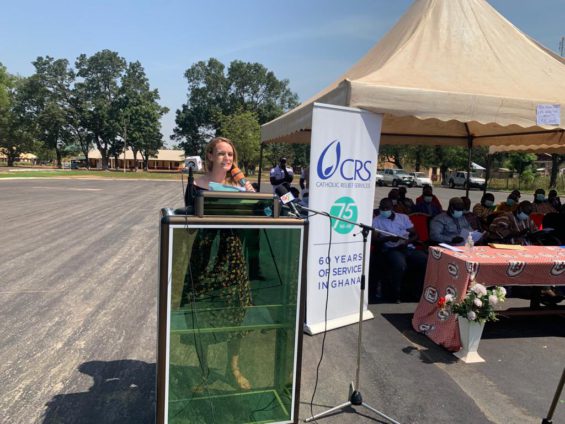
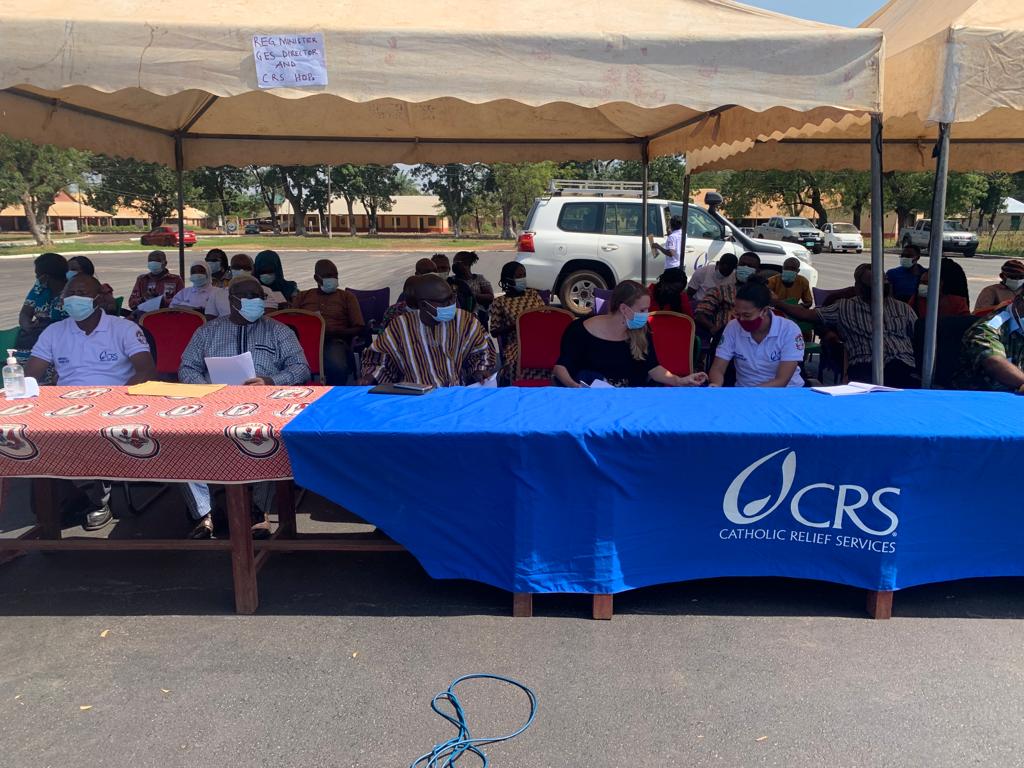
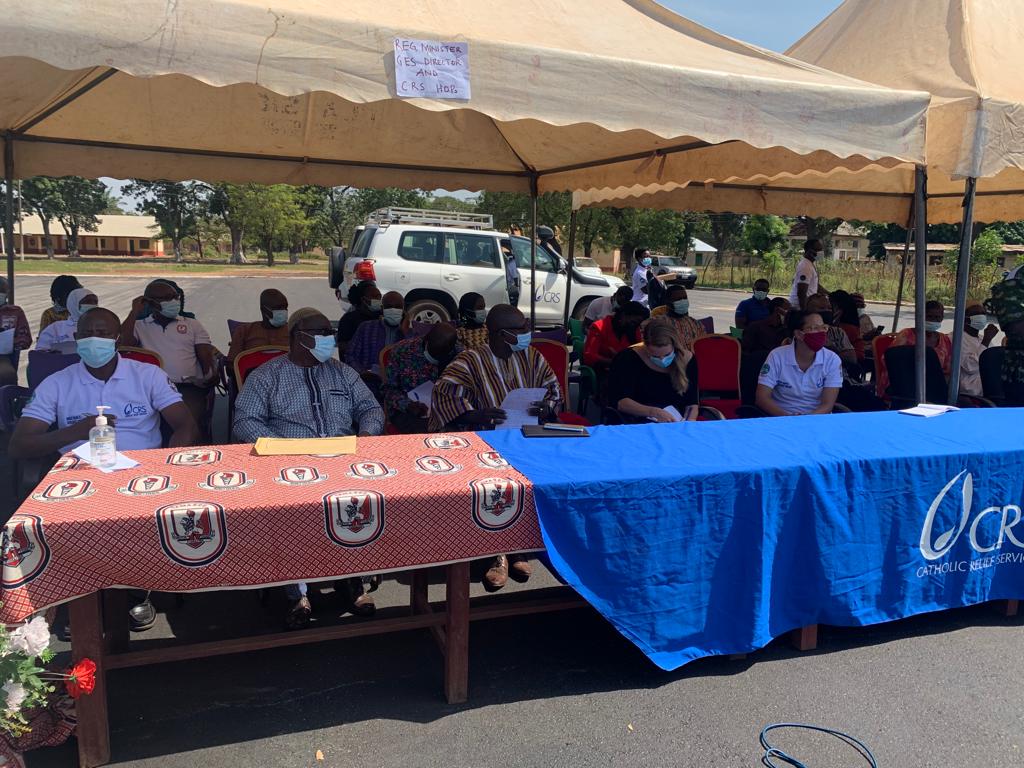
The Head of Programming at the Catholic Relief Service, Carolyn Edlebeck, who disclosed this at this year world toilets celebration in Tamale, said 81 per cent of households do not have private restrooms.
Addressing the gathering, Carolyn Edlebeck said the area is experiencing poor sanitation, resulting in widespread open defecation.
She said the open defecation has resulted in the prevalence of diarrhoea and cholera.
The head of programming said this year’s theme “valuing toilets” draws attention to the fact that toilets and the sanitation systems that support them are underfunded, poorly managed, or neglected in many parts of the world.
She said this has devastating consequences for health, economics, and the environment, particularly in the poorest and most marginalised communities.
She said public investment in Ghana's water and sanitation sector has not kept pace with economic growth and urbanisation, adding that essential sanitation services currently stand at 17% for rural coverage and 25% for urban coverage.

She noted that only one in five households has an improved toilet in their home, 22% of the population still practising open defecation, while over 13 million use shared facilities concentrated primarily in low-income urban settlements.
Ms Edlebeck said in 2019, CRS started the Urban WASH and Resilience Project in response to the need for adequate planning, funding for sanitation systems to improve hygiene and sanitation behaviours among residents in Greater Tamale Area.
She said they worked with the Tamale Metropolitan Assembly, Sagnerigu Municipal Assembly, Ghana Water Company Limited, and other key stakeholders to help address water security and sanitation challenges in Greater Tamale.
Madam Edlebeck said for the past two years, Urban WASH and Resilience Project, together with key stakeholders, have facilitated the construction of 505 household toilets in Tamale Metropolis and Sagnerigu Municipality, serving over 5,000 beneficiaries, rehabilitated seven public restrooms with three of them certified as WASH friendly.
She said while counting the gains, all need to remind ourselves that a lot more effort is required to collaborate to leverage each other’s resources and strengths to build resilient and dedicated institutions to deliver carefully thought-out interventions and policy reforms for each other effective WASH service delivery.
Latest Stories
-
Ghana to begin camping with 12 athletes after Accra Open Championships – Bawa Fuseni
16 minutes -
Anthony Joshua declines showdown with Tyson Fury but admits they ‘probably’ clash next
29 minutes -
Tyson Fury dominates Makhmudov, calls out Joshua next
48 minutes -
I have supported highway authority financially to fix roads in my constituency – A Plus
2 hours -
US, Iran fail to reach peace agreement after marathon talks in Pakistan
2 hours -
ECG kicks off Phase Two of transformer upgrades at Lashibi; brief outages expected
3 hours -
Port crises loom as 11,000 drivers threaten four-day strike
4 hours -
A source of excellence across generations – Vice President Opoku-Agyemang lauds Mfantsipim
5 hours -
(Photos) Mfantsipim School launches historic 150th anniversary
5 hours -
Knights and Ladies of Marshall group backs Catholic Bishops’ stance on anti-LGBTQ+
6 hours -
Bright Simons writes: All the Filla in the Ibrahim Mahama/E&P – Gold Fields Saga
6 hours -
Monetise Idiocy In Ghana
6 hours -
The Ghanaian prophet and the mysterious death of his scottish wife Charmain Speirs
7 hours -
Nearly 400 sentenced in Nigeria for links to militant Islamists
8 hours -
Ghana’s recovery supported by gold strength despite global oil price pressures – Standard Bank Research
8 hours