

Audio By Carbonatix
As the Republic of Seychelles marks five decades of sovereignty, nationhood, and development since gaining independence on 29 June 1976, the archipelago has bypassed standard civic formalities to stage a historic, destination-wide Golden Jubilee celebration.
This year’s national anniversary functions as a living festival of cultural expression, strategically placing local gastronomy, community heritage, and sustainable tourism at the heart of the national experience.
With activities rolling out across Mahé, Praslin, and La Digue from 26 to 29 June 2026, the entire country is transforming into a dynamic showcase of shared identity.
To underscore the immense historical weight of the milestone, the Office of the President has officially announced a major administrative update for the citizens of the republic.
"The Office of the President wishes to inform the public that Tuesday, 30 June 2026, has been declared a public holiday, and the declaration has been officially gazetted," an executive statement from State House confirmed. "The additional public holiday forms part of Seychelles’ commemoration of the 50th Anniversary of Independence, a historic milestone marking five decades of sovereignty, nationhood and development since the country attained independence on 29 June 1976."
The presidency further noted that the gazetted holiday is designed to "provide Seychellois with an opportunity to continue participating in the Golden Jubilee celebrations and to reflect on the nation’s achievements, shared identity and aspirations for the future."
The Culinary Epicentre: Local Food Fest 2026
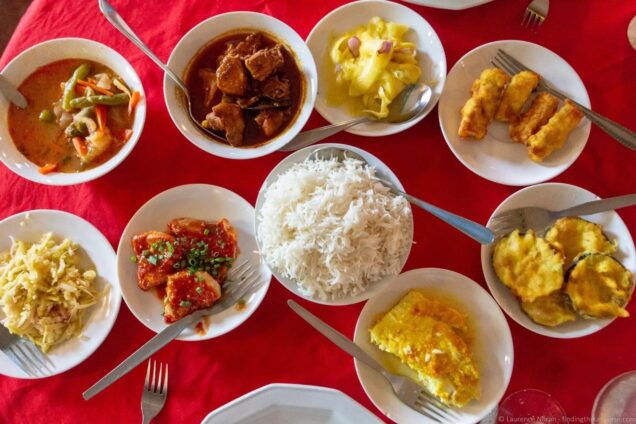
While national pride echoes across the islands, the undeniable headline event of the closing celebrations is the Local Food Fest 2026, taking place at the Roche Caiman Sports Complex. Operating as a highly curated Tourism Village, the festival has brought together more than 30 local brands, culinary entrepreneurs, and agricultural producers into a singular space to celebrate Creole culinary heritage.
Rather than acting as a standard food market, the festival is a deliberate, state-backed exercise in Sustainable Gastronomy. The programming places a fierce emphasis on local sourcing, historical cooking techniques, and contemporary reinterpretations of classic Creole dishes that carry African, European, and Asian influences. By strictly linking domestic farmers, coastal fishers, and artisan food processors directly to the tourism ecosystem, the initiative serves a dual macroeconomic purpose: it enhances local financial retention from visitor spend and systematically lowers the import leakages that frequently affect small island developing states.
A Decentralised National Programme
Beyond the plates at Roche Caiman, the Golden Jubilee features an expansive calendar of events engineered to ensure that celebrations are not confined to elite or formal indoor venues. Instead, the philosophy of the anniversary relies heavily on street celebrations, pop-up cultural performances, heritage exhibitions, and island-wide community activations that flow directly into public spaces.
Victoria Capital Activations: The capital city on Mahé serves as the structural anchor of the independence week, hosting large-scale musical concerts, vibrant street parades, and multimedia historical installations that document the narrative of national development since 1976.
The Rendezvous Diguois: On the island of La Digue, the celebrations take on an intimate, heritage-first tone within the historic L’Union Estate. Transforming into an open-air cultural bazaar, the estate hosts masterclass storytelling sessions, traditional craft exhibitions, and live performances, ensuring that generational island knowledge is preserved and displayed as a lived reality rather than a museum piece.
Praslin Community Showcases: Decentralised activations across Praslin have mirrored this structural layout, allowing micro-economies, transport providers, and local event production crews to capture direct financial benefits from the national festival.
The Policy Behind the Restraint
Official documentation surrounding the golden jubilee indicates that the country's economic and cultural resilience is entirely by design. Since 1976, policy planners have rejected the pursuit of mass arrivals, choosing instead a controlled, value-led tourism model prioritizing environmental preservation and high per-visitor spending over raw volume.
Today, as tourism generates over 25% of the direct national GDP, the independence celebrations serve as a vivid validation of that five-decade policy of restraint. By treating Creole culture as vital economic capital rather than a symbolic accessory, Seychelles enters its next half-century of sovereignty as a global blueprint for sustainable, identity-driven national development.
Latest Stories
-
Henderson scores twice as Chelsea thumb Bournemouth
5 minutes -
Photos: Mentapulse Africa convenes health and labour summit to address talent retention
17 minutes -
Mahama inspects Nkokɔ Nketenkete plant, eyes Bechem as chicken capital
24 minutes -
Ghana not seeking full BRICS membership, applying as Partner Country – Ablakwa
25 minutes -
Woman injures three people in third Poland school knife attack in a week
27 minutes -
Ghana should join BRICS as partner, not member – NPP Bono East Regional Secretary
27 minutes -
Ghana High Commission warns nationals in South Africa over protests in Johannesburg, Durban
28 minutes -
Mahama praises Roads Minister for keeping Big Push contractors on their toes
33 minutes -
World Cup Visa Scandal: ‘My client has not collected money for visas’ – Ampofo Ankrah’s lawyer
45 minutes -
US immigration officials defend ICE agents who shot man in same car as child
54 minutes -
Commentator Katie Zacharia picked as new White House press secretary
58 minutes -
Drone strike by Sudan paramilitary kills 41 near Ethiopian border, rights group says
1 hour -
King warns malicious online actors are evolving tactics
1 hour -
Several injured as Saudi capital airport reportedly hit again
1 hour -
Christa Pike discharged from hospital and returned to prison, her lawyers say
1 hour