

Audio By Carbonatix
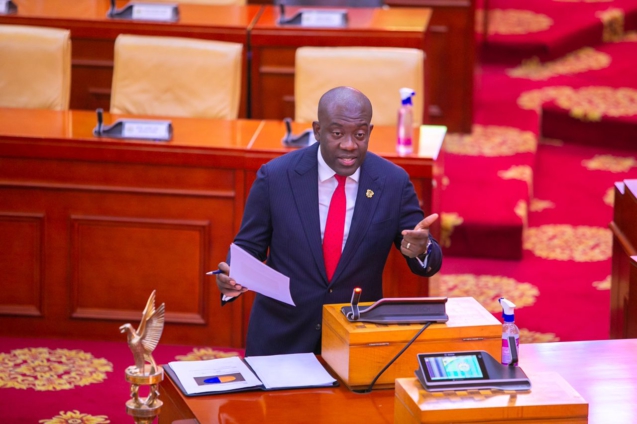
Information Minister Kojo Oppong Nkrumah has charged academia as well as media practitioners to utilise the RTI law Act 989, to obtain reliable information from state institutions for their work.
Answering questions in Parliament on Tuesday, Mr Nkrumah said the law which imposes an obligation on public institutions to provide information to applicants is being underutilised.
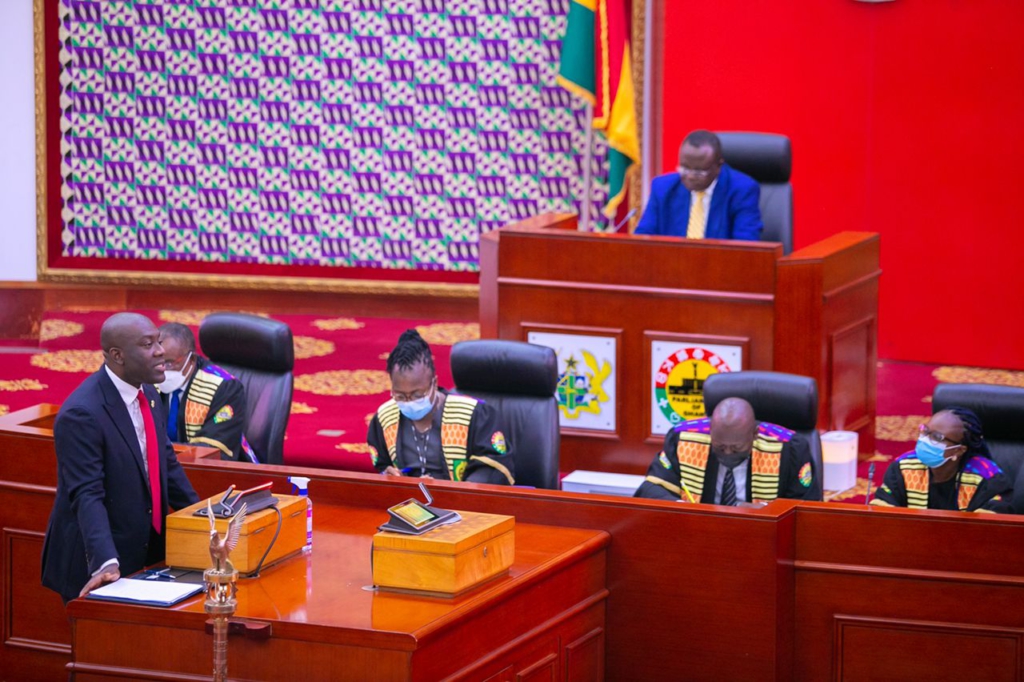
“Mr Speaker, may I take advantage of the opportunity given me to reach out to the whole country, particularly the academic community. A lot of our young people have complained about difficulties in getting access to information when they are preparing their dissertations and so on because a lot of institutions operate as though they are doing you a favor.
“The RTI Act gives you legal cover to apply for information from public institutions for academic purposes.. Also to our colleagues in the media, we want to encourage a lot more use of the Act and a lot less resort to speculation and hearsay. The RTI Act grants you to, by law access to information for purposes of media work,” he added.
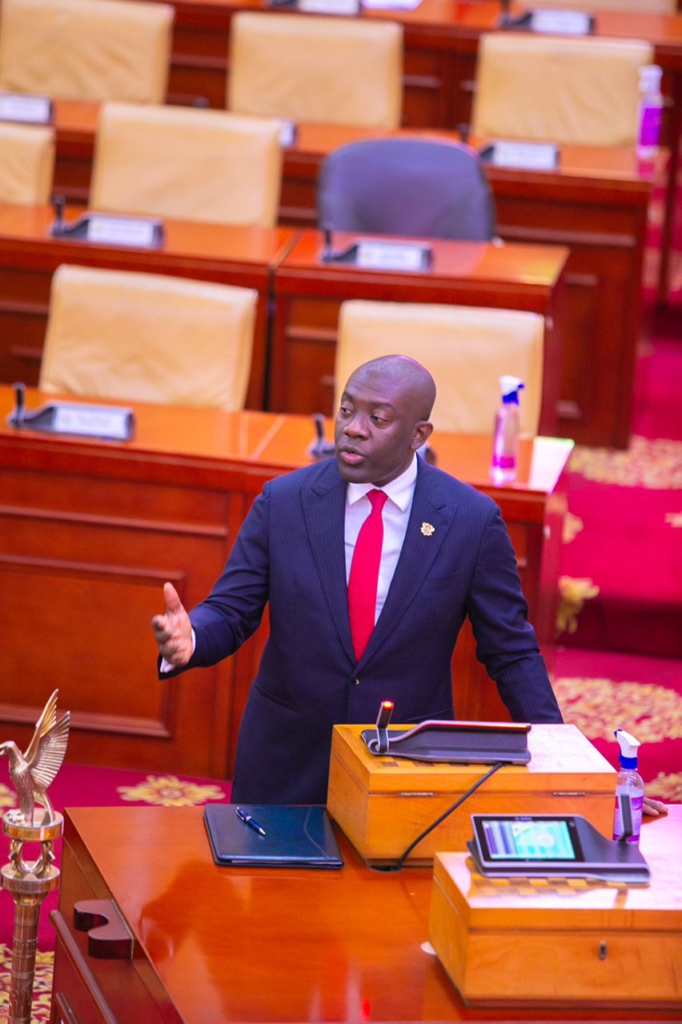
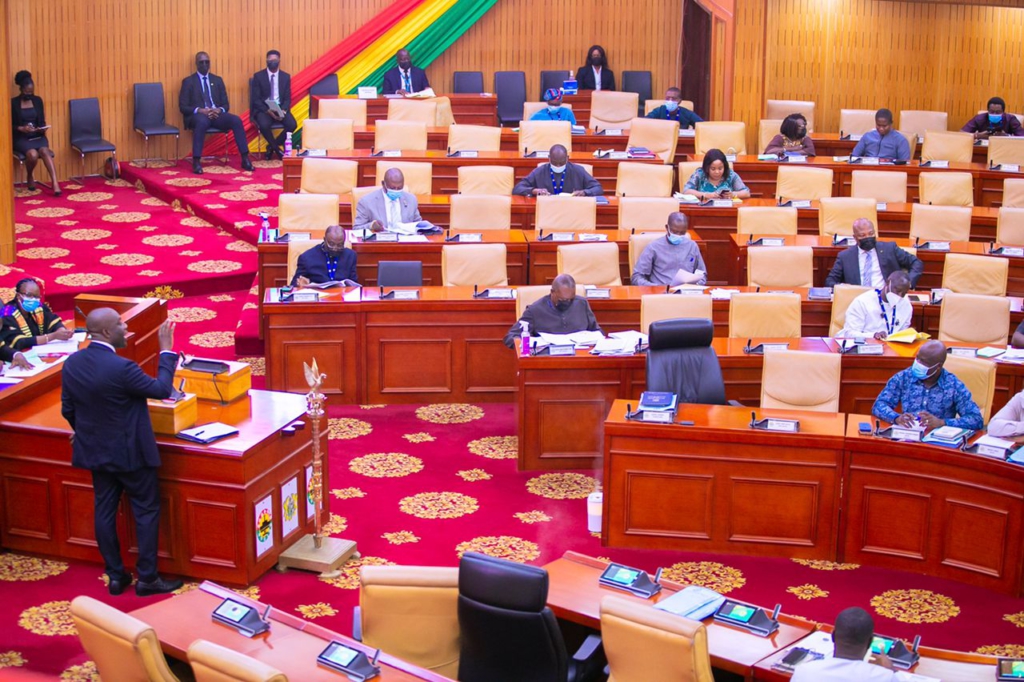
The Minister was providing updates on the progress of the implementation of the law since its inception in 2020 on the floor of Parliament on Tuesday, March 15, 2022.
The law he said allows both media practitioners and persons in academia to get access to credible information with which they can use in dissertations and media works.
He said the law since its introduction has made remarkable progress noting that from the time the implementation of the law commenced to date, a total of 223 RTI requests have been received so far by public institutions.
This he indicated that per interim figures collated from the various RTI offices of state institutions in 2021 alone, a total of 129 requests for information were submitted by individuals and institutions and were received by 47 institutions.
Out of this number, 87 were received from individuals while 42 were received from institutions.
In 2022, a total of 10 requests for information were submitted by individuals and institutions and received by seven public institutions as at the end of January, 2022.
Out of the 10 applications received, 5 (50 percent) were received from individuals while 5 (50 percent) were received from institutions.
Latest Stories
-
30 NDC aspirants file nominations in Upper West as regional election approaches
3 minutes -
UPSA launches laptop assembly plant, requiring new students to assemble their own devices
8 minutes -
UCC sociologist calls for action on gender inequality to end child marriage
9 minutes -
LSN questions Ghana’s proposed five-year presidential term and DCE election reforms
11 minutes -
AFCON 2027Q: Bjorkegren to lead Black Stars for Somalia doubleheader with Tanko and Attram as assistants
12 minutes -
AMA completes road repairs on Kwame Nkrumah Avenue
19 minutes -
Law Students’ Network warns executive dominance could undermine constitutional review
21 minutes -
Mahama to meet relevant stakeholders over concerns about the new Customs Act
29 minutes -
CHASS demands a 20% increase in SHS funding and payment of outstanding debts
31 minutes -
Investigation launched after male body found in County Cork
32 minutes -
We have been scammed by NDC, government is only doing PR – Abanga Fuseini
33 minutes -
Tamale Teaching Hospital records 44 new breast cancer cases in six months
35 minutes -
GES declares October 30 CPD day for private school teachers; learners to observe holiday
35 minutes -
South Korea to support Ghana’s forts and castles restoration with $4.5m over five years
36 minutes -
School headscarf ban sparks rare protests in Azerbaijan and row with Turkey
45 minutes