

Audio By Carbonatix
Ghana recorded 4,650 fire incidents between January and September 2024, raising serious concerns about public safety.
The recurrent market fires have affected countless individuals, leaving them grappling not only with the loss of their livelihoods but also enduring profound psychological impacts.
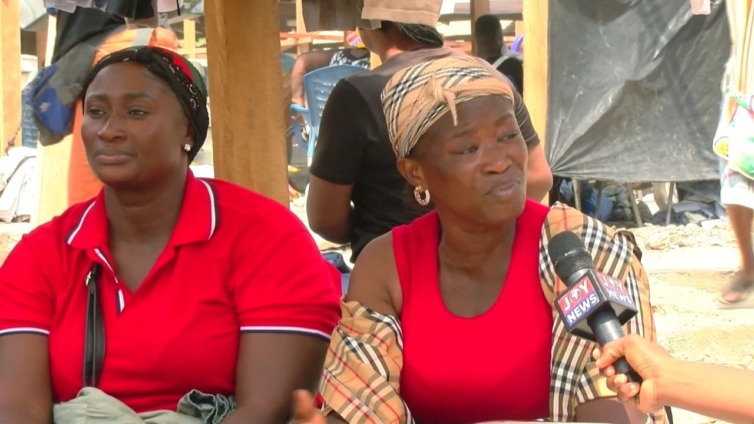
On January 2, 2025, another fire at Kantamanto Market in Accra destroyed properties and livelihoods, adding to the growing list of fires ravaging major markets nationwide. Beyond the statistics and destruction lie deeply emotional stories of resilience and despair.
Barbara, a victim of the Kantamanto fire, shared her harrowing experience:
“When I saw the fire ravaging everything I owned, it felt as though my world was coming to an end. I had to be doused with water just to gather enough strength to stand again. I know it is only by God’s grace that I’m still here today. Every morning, I come back to this place because I have three children depending on me. Despite the devastation, I press on, knowing they rely on me for everything."
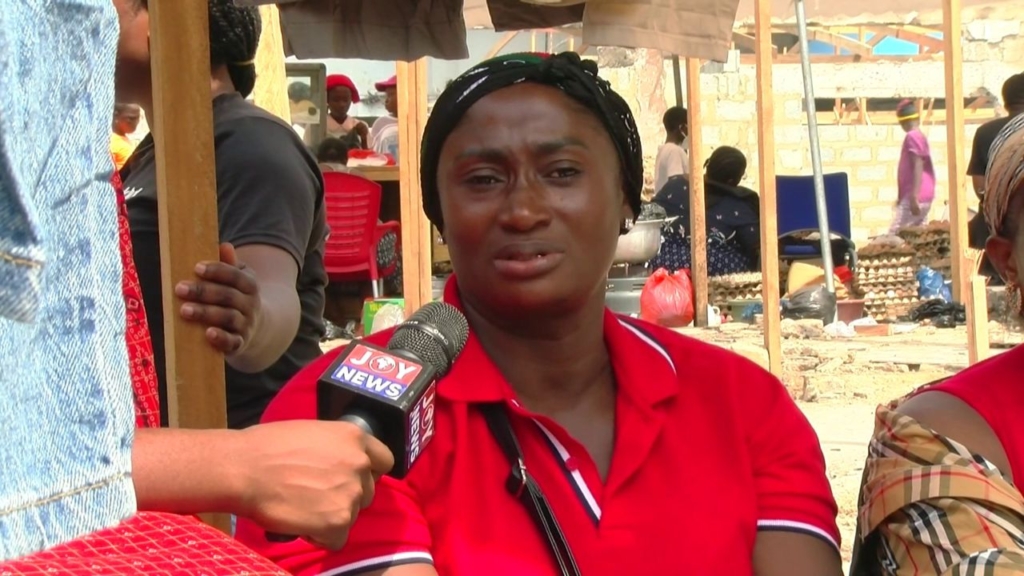
She added, "As a single parent, I work tirelessly every day just so my children can have a meal. But with this fire, I feel a deep sense of fear. The loss has been unbearable. Each day, I find myself wandering aimlessly, not knowing where to turn next. Every dawn is a reminder that I have nowhere to go, and the burden feels heavier each day."
Experiencing a fire, especially with the loss of one’s livelihood, can have a significant impact on mental health. Recovery is a long and challenging journey for those who lose everything.
Dr. Abigail Naa Ayeley Harding, a psychiatrist at Korle-Bu Teaching Hospital, highlighted the psychological toll of Ghana’s market fires.
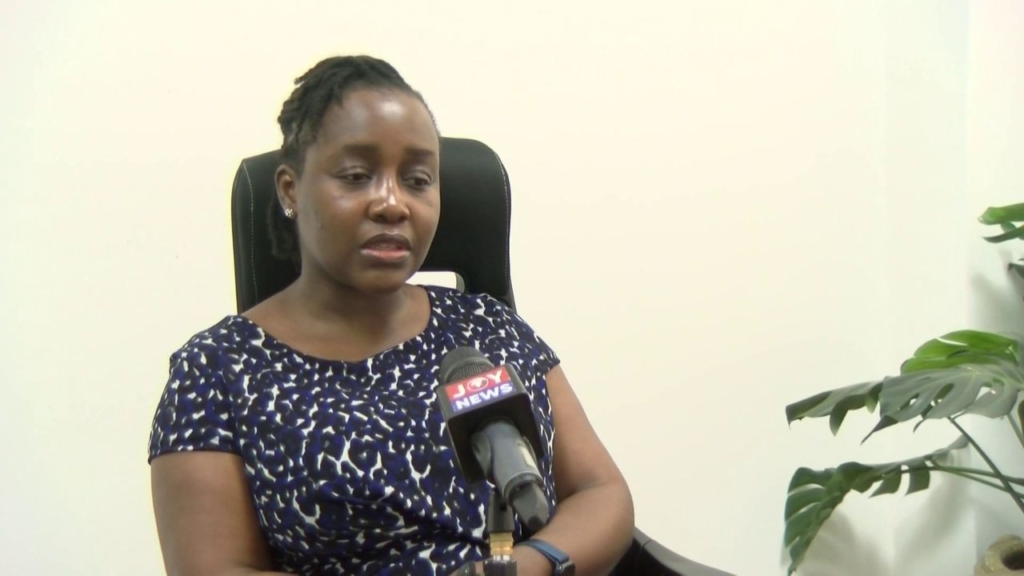
“In the early stages, it's common to feel overwhelming anxiety, constant worry, and a persistent sense of being troubled. Sleep disturbances, including restless nights. Many people feel a profound sense of hopelessness, struggling to see a way forward in the wake of their loss,” she explained.
Mental health professionals warn that the psychological effects of traumatic events often linger long after the crisis ends, underscoring the importance of seeking support.
Dr. Harding recommends leaning on loved ones, whether family or close friends, and seeking professional help from mental health specialists to gain valuable tools and coping strategies for managing the emotional aftermath.
The road to recovery is undoubtedly long and difficult, but with time, support, and professional guidance, survivors can begin to heal.
Latest Stories
-
A source of excellence across generations – Vice President Opoku-Agyemang lauds Mfantsipim
1 hour -
(Photos) Mfantsipim School launches historic 150th anniversary
2 hours -
Knights and Ladies of Marshall group backs Catholic Bishops’ stance on anti-LGBTQ+
3 hours -
Bright Simons writes: All the Filla in the Ibrahim Mahama/E&P – Gold Fields Saga
3 hours -
Monetise Idiocy In Ghana
3 hours -
The Ghanaian prophet and the mysterious death of his scottish wife Charmain Speirs
4 hours -
Nearly 400 sentenced in Nigeria for links to militant Islamists
4 hours -
Ghana’s recovery supported by gold strength despite global oil price pressures – Standard Bank Research
4 hours -
Methodist Church hails Mfantsipim@150; calls for “fresh consecration” to excellence
5 hours -
‘Excellence is our inheritance’ – Nana Sam Brew-Butler hails Mfantsipim’s 150-year reign in leadership
5 hours -
Kwaku Azar writes: A-G vs OSP
5 hours -
Mfantsipim–Adisadel rivalry built excellence, not division – Sam Jonah
5 hours -
Vice President launches Mfantsipim’s 150 years of shaping Ghana’s greatest mind
6 hours -
I assure Otumfuo, Mahama will join him to commission KNUST Teaching Hospital by end of this year – Haruna Iddrisu
6 hours -
Barcelona dominate derby to extend La Liga lead
6 hours