


Audio By Carbonatix
Director Martin Scorsese has said he is "concerned" that immersive and 3D screenings risk detracting from the quality of films.
In recent years, some cinemas have introduced immersive experiences for movies, often known as 4DX screenings.
These see audiences sit in chairs that move with the action, while water and smoke are used to enhance some scenes.
But Scorsese said such techniques can mean films "don't necessarily work as well" when those elements are removed.
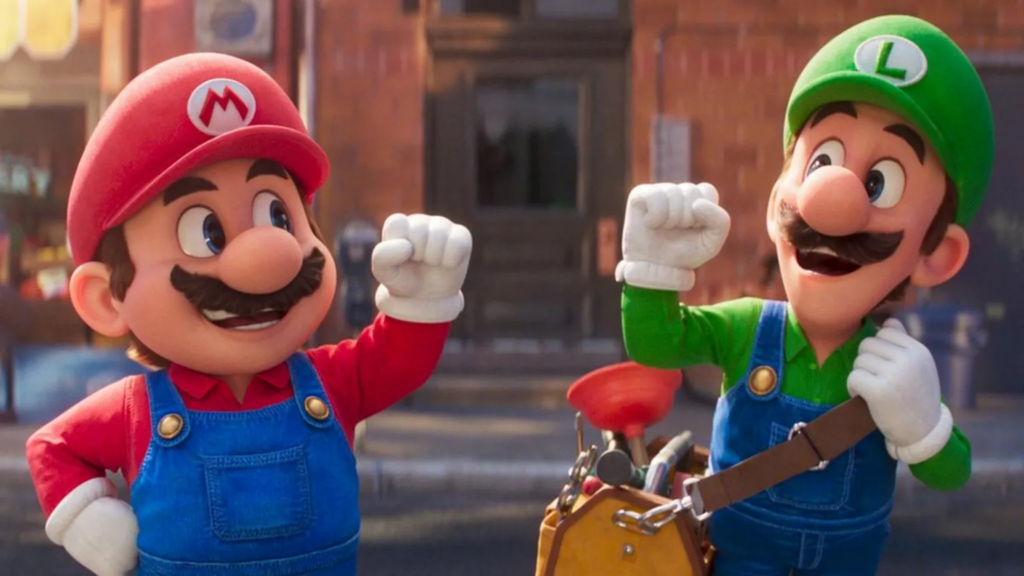
In 2019, Scorsese gave an interview to Empire magazine in which he likened the Marvel superhero movies to theme parks, prompting a debate in Hollywood about the artistic value of blockbusters.
Speaking to BBC Radio 4's Today programme, Scorsese reflected on his original comments - telling presenter Amol Rajan his primary concern was about techniques that take away from a film's content.
"I was concerned that if a film needs more than just projection on a screen, if it needs chairs that bounce around or certain scents that are used in the theatre, or more technical elements besides the image on the screen, what would that film look like without those elements?" he said.
"Would it still be a film? There are major elements of it missing."
Screenings in the sensory 4DX format are similar in some ways to simulators - audience members are in seats that shake and move to mirror action scenes like car chases.
Smoke is also used to replicate the effects of on-screen explosions, scented air is released, and water is lightly sprayed on audience members during scenes that take place in the rain or at sea.

Last year, the highest-grossing films in the 4DX format in the US were Super Mario Bros, Avatar: The Way of Water and Spider-Man: Across the Spider-Verse.
However, 4DX is a tiny fraction of overall box office takings, accounting for $50m (£40m) of the $9bn (£7.1bn) earned in the US in 2023. In the UK, Cineworld offers 4DX screens in nearly 40 of its cinemas.
Phil Clapp, chief executive of the UK Cinema Association, told BBC News that cinemas were offering fans a choice of experiences as well as films.
"The recent advent of 4D at some UK sites, for example, has proved popular, particularly with family audiences and young people, but of course might not be appropriate for every film, nor for those cinema-goers who prefer a more traditional screening," he said.
"Where that is the case, then luckily the diverse range of offerings which is now a feature of the sector ensures that those tastes are amply catered for as well."
'We're missing the intimacy'
Scorsese is nominated for best director at the forthcoming Oscars for Killers of the Flower Moon, with the film nominated in 10 categories in total.
He is considered one of the greatest living directors, with credits also including The Wolf of Wall Street, Gangs of New York, The Departed, Goodfellas and Taxi Driver.
The 81-year-old has previously also dabbled in 3D, shooting his 2010 movie Hugo using 3D cameras and describing it as "liberating" at the time.
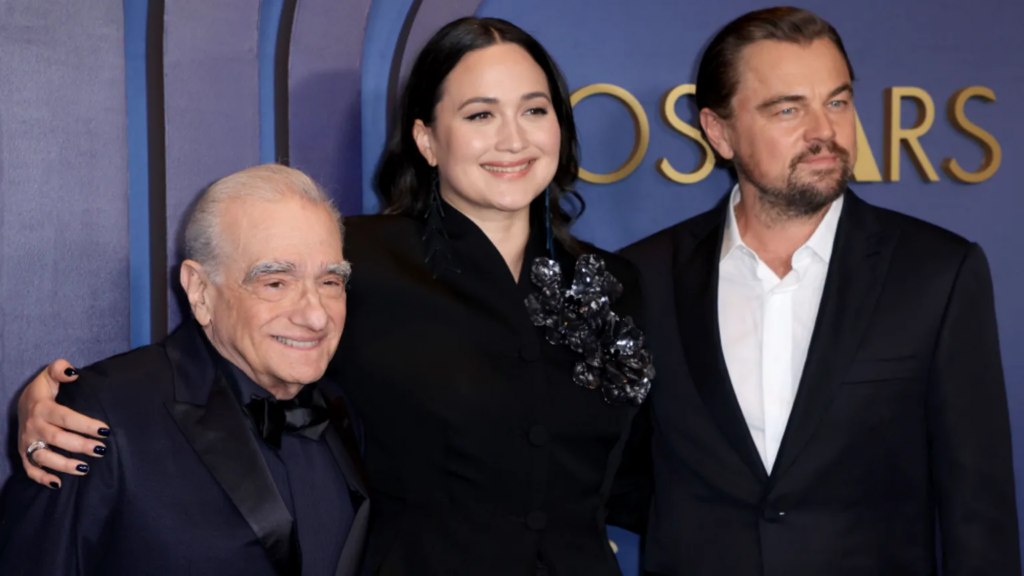
However, Scorsese suggested that when techniques like 3D are used, it can mean a film does not function as well for a viewer if they don't see it in that format.
"When you see films that were shot in 3D, but you see them flat - well there's an entire arena of information that's missing," he told Rajan.
"And the flat versus the 3D films don't necessarily work as well. And so it's almost like they are not films any more."
The director also warned that if the film industry began relying too heavily on traditional narrative arcs with familiar character tropes, much of the nuance and subtlety of films could be lost.
"An archetype, I enjoy - certain films have archetypes, the good and the bad guys, all this sort of thing. I like the archetypes," Scorsese said.
"But on the other hand, if it's only archetypes, we're missing the intimacy of character, and I think of younger people seeing this and thinking cinema may only be that."
Killers of the Flower Moon is a three-and-a-half hour epic starring Leonardo DiCaprio, Robert De Niro and Lily Gladstone, who is seen as a strong contender to win the Oscar for best actress.
Set in 1920s Oklahoma, the true story depicts the gradual and brutal murders of Native Americans by white settlers who are fuelled by greed for the oil on their land.
Latest Stories
-
Catholic Bishops say moral values must match economic priorities in Anti-LGBTQ+ debate
7 minutes -
IGP Yohuno urges merit and hard work ahead of Police Academy exams
20 minutes -
Queendalyn Yurglee releases debut album ‘Clouds of Glory’
52 minutes -
UDS moves to clear MPhil student wrongly linked to robbery case
1 hour -
Vodza Regatta 2026: Prof Audrey Gadzekpo rallies investors for coastal tourism growth
1 hour -
Introduction of 100 new Metro Mass buses won’t affect transport unions – GPRTU
1 hour -
Deputy Transport Minister backs Yellow Line traffic initiative
1 hour -
MTN Ashanti-Fest music concert set to hit Kumasi on Saturday
2 hours -
Authorities probe discovery of dead fish at Tema shipyard
2 hours -
Minority welcomes fuel tax cuts, demands accountability for GH¢1 levy
2 hours -
It remains a priority — Sam George on Anti-LGBTQ bill
2 hours -
Police arrest Nigerian national seen in viral videos wearing police uniforms
2 hours -
Free golf training empowers underprivileged girls in Accra
2 hours -
Why SIGA’s reset is not a market sin, but a national necessity
2 hours -
SIGA Directive: Beyond the theatre of institutional displacement
2 hours