

Audio By Carbonatix
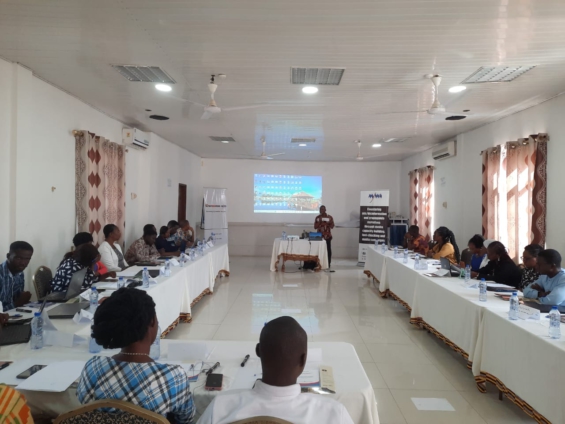
The Media Foundation for West Africa (MFWA) has begun empowering some selected journalists on how to counter information disorder through fact-checking.
The journalists selected from the Volta, Oti and Eastern regions would benefit from the two-day intensive training on the various forms of misinformation, disinformation and mal-information and how to sanitise the information space in the country due to the pervasive information disorder.
Dr. Theodora Adjin-Tettey Dame, a lecturer at the Department of Communication at the University of Ghana, Legon, and a facilitator at the Ho training programme said information disorder is more prevalent now than ever.
She said the pervasiveness of information disorder is global and extends beyond politics to all aspects of information, reason why journalists owe the citizenry their obligation to fact-check information in all spheres.
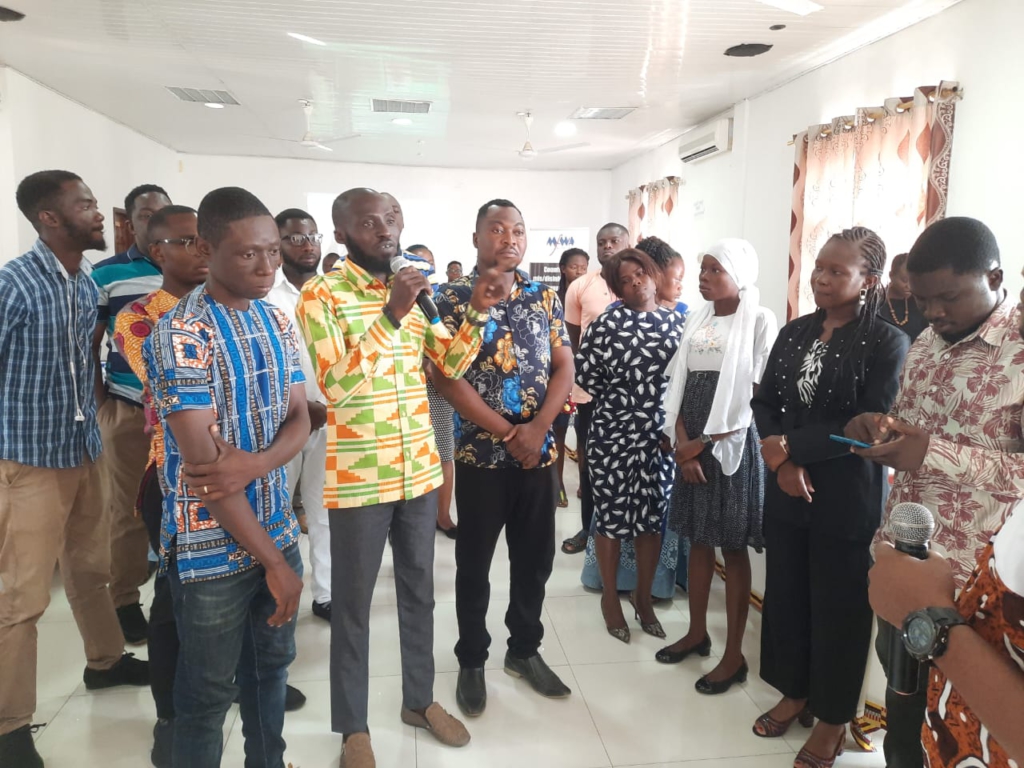
Dr. Adjin-Tettey explained that mostly, monetary gain, political gain, online traction and ideological reasons among others, are the driving forces for sensationalism and conspiracy theories on pertinent issues in doing damage on social media and even through traditional media.
The lecturer said it was estimated that more than half- 4.74 billion representing 59.3% of the world's population are currently on social media platforms.
As of January 2022, internet penetration in Ghana has risen to 53% with 8.80 million social media users.
She said it is therefore imperative that Ghana becomes resilient against the negative influence of information disorder on national peace, stability and democratic governance as a whole.
Speaking in an interview with JoyNews, a senior journalist with the Fourth Estate News Organisation, Mr. Seth Bokpe, deemed it necessary to have journalists, especially on air presenters and news anchors trained in the topic in order to garner the requisite skills in producing and publishing accurate information.
Mr. Bokpe explained the need for the workshop organised with funding support from the Foreign Commonwealth and Development Office (FCDO) was to empower journalists in doing impactful and good journalism.
“Journalism plays an important role in the development of our democracy, so it is important that we improve on the capacity of journalists to enable them to do critical journalism, which should push for change and development,” Mr. Bokpe said.
Latest Stories
-
Power restoration fault suspected in Kumasi Central Market fire
3 hours -
The 7-foot giant of Ngleshie Amanfro: Seven-foot Ghanaian Ephraim Saawa dreams of joining the national basketball team
3 hours -
Government promises support for Kumasi Central Market fire victims
3 hours -
Vibes The Movie: Big Ghun’s Ghanaian film earns five nominations at 2026 REFFA
4 hours -
MamaCare CEO warns unresolved conflicts among health workers could undermine maternal and neonatal care
4 hours -
Health professionals urged to translate medical knowledge into practice to save mothers
4 hours -
Conflicts among care providers linked to maternal, neonatal deaths – Expert
6 hours -
GIS marks 10th TIME conference, champions improved teaching practices
6 hours -
BRICS Or Balance? What Ghana’s bid really means
7 hours -
GPRTU wants full TRAFFITECH-GH implementation to start in 2027
7 hours -
Mahama announces plans to import electric wheelchairs for PWDs
7 hours -
KGL U17 Colts 2026: Western beat Prempeh Elite Academy to set up final final with Greater Accra Region
7 hours -
Late Solanke strike salvages 10-man Spurs draw at Man United
7 hours -
Gender Ministry to monitor welfare of Nana Akua Addo’s children amid domestic violence case
8 hours -
Benedict Okyere Yeboah: Ghana’s football problem goes beyond sacking a coach
8 hours