

Audio By Carbonatix
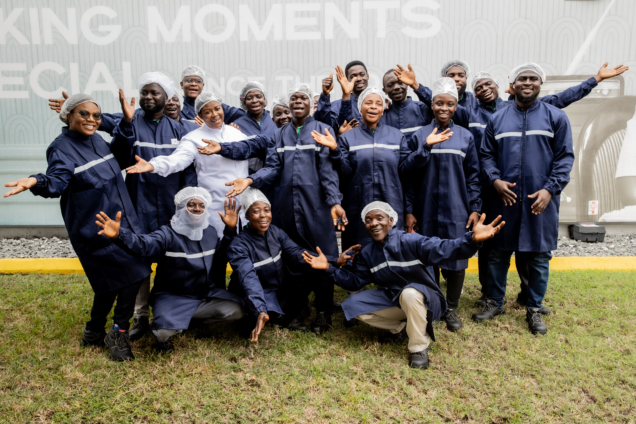
Nestlé Ghana has engaged a group of 15 lead cocoa farmers at its factory in Tema, giving them firsthand exposure to how their raw materials are transformed into end products such as Milo.
The initiative, which is the first time Nestlé has invited farmers to its factory, forms part of the company’s “Creating Shared Value” agenda, which seeks to improve yields for farmers while ensuring sustainable supply for Nestlé’s production.
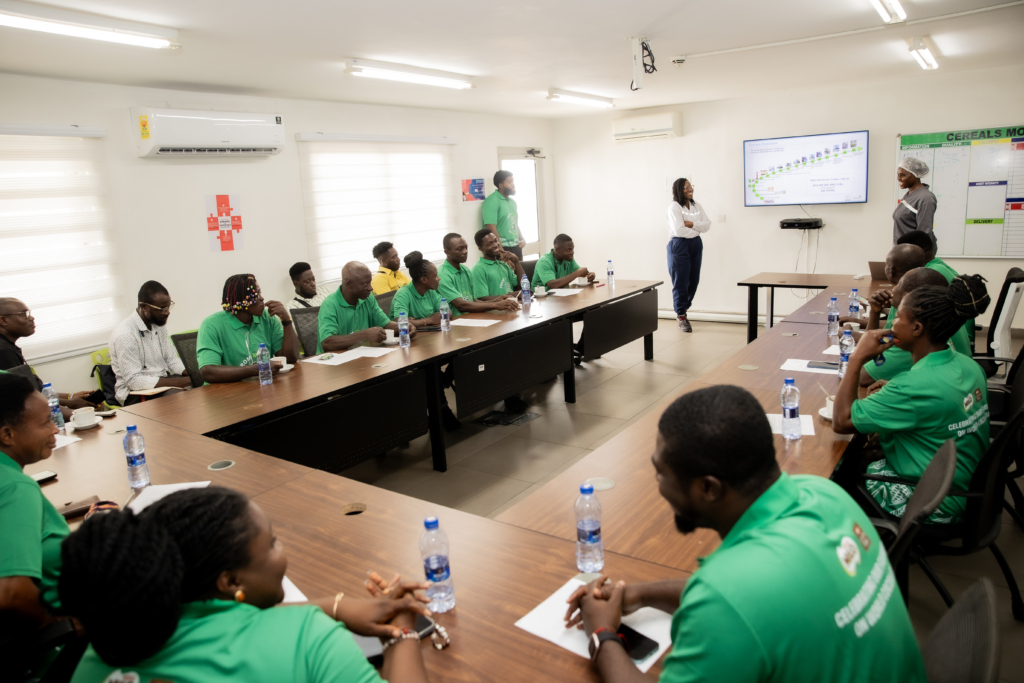
The participating farmers were drawn from the Ashanti Region and were described as “lead farmers” who not only manage their own farms but also support others with training in best practices such as pruning and other agronomic methods.
The engagement on Wednesday, September 17, began with a safety briefing, where a Nestlé health and safety officer walked the farmers through site regulations. A factory hygienist also sensitised them to strict hygiene protocols that guide production.
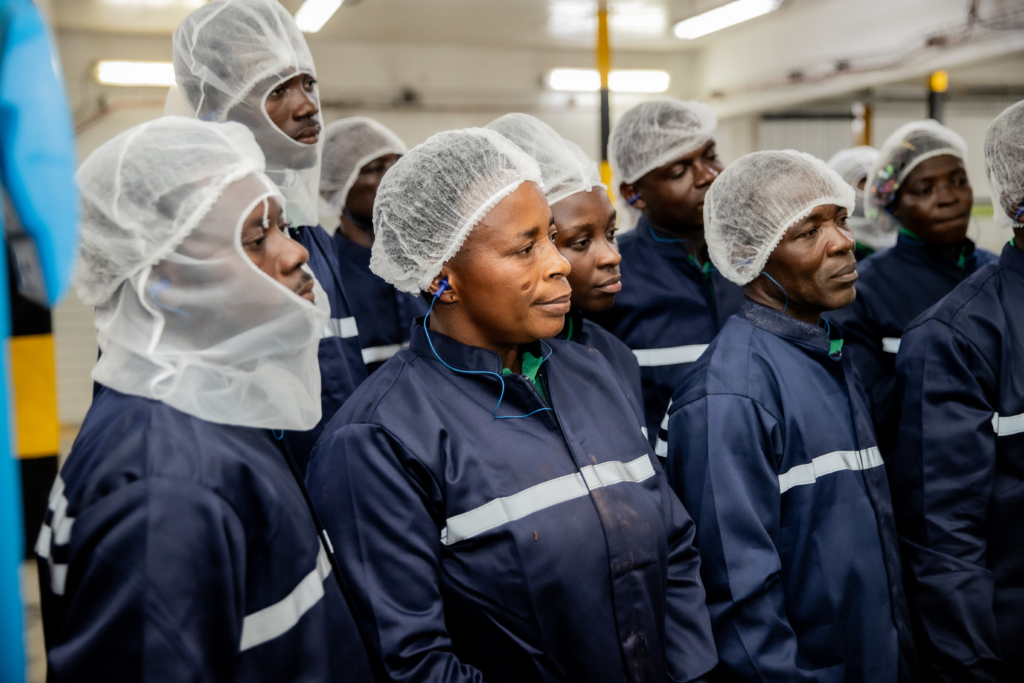
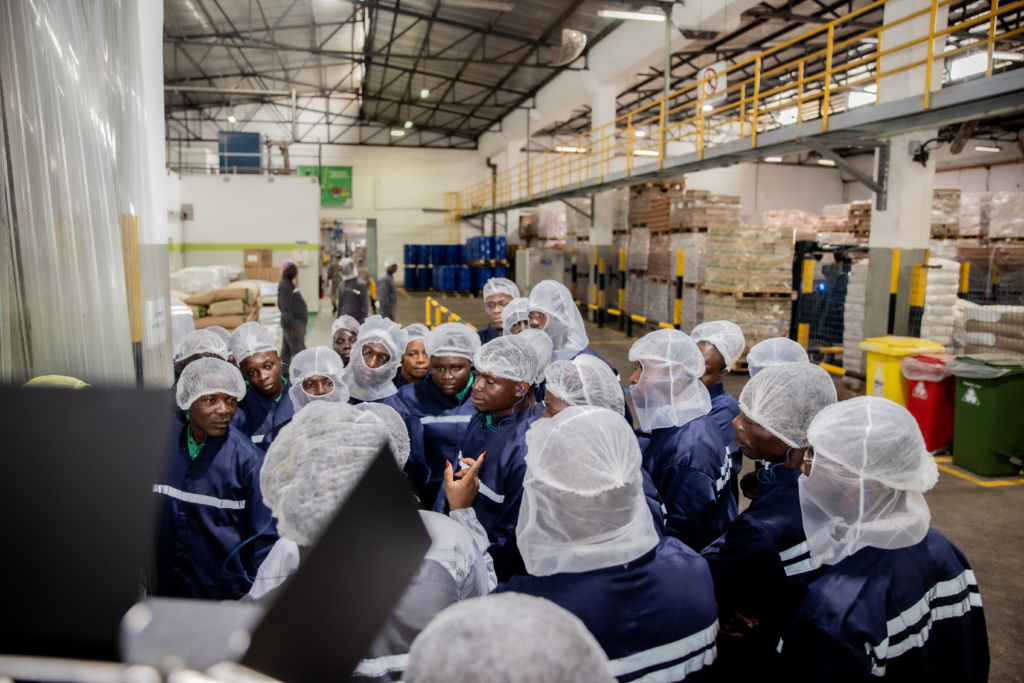
The farmers then embarked on a detailed tour of the manufacturing facility. They observed the full cocoa processing chain from cocoa bean collection to the preparation of Milo for public consumption.
For the farmers, it was the first time witnessing how their hard work on the farms is directly linked to Nestlé’s finished products on supermarket shelves.
Speaking to the media, Nestlé Ghana’s Corporate Communications and Public Affairs Manager, Deborah Kwablah, said the engagement reflects the company’s commitment to building stronger ties with farmers.
“Today, Nestlé Ghana decided to bring representatives, about 15 farmers, to our factory in Tema. It’s important because these cocoa farmers produce cocoa, and we support them through agronomic practices so that they can get better yields,” she explained.
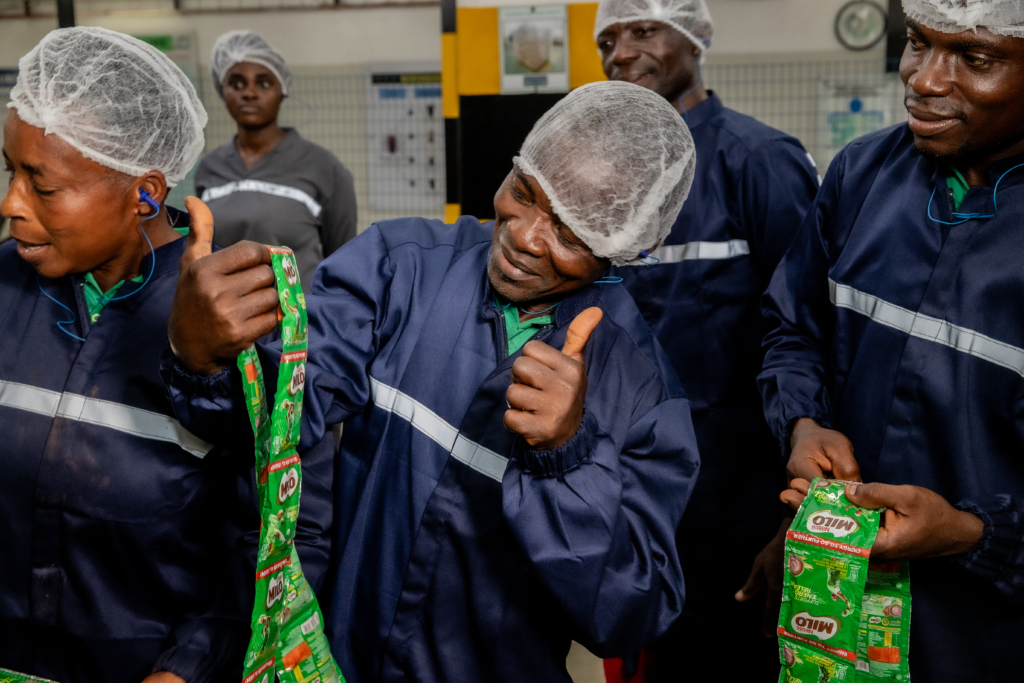
She noted that higher yields benefit both farmers and Nestlé Ghana.
“There’s shared value in what we do. We create value for the farmer by training them and helping them to do the right agronomic practices, so that they can get more from the land, and then we [Nestlé] can get the cocoa we need,” she added.
Beyond agronomic support, Nestlé has invested in social amenities in cocoa-growing communities. The company has built and rehabilitated schools, constructed toilet facilities, and provided safe drinking water.
Earlier this year, Nestlé commissioned 15 boreholes and five schools in such communities, with more projects underway.
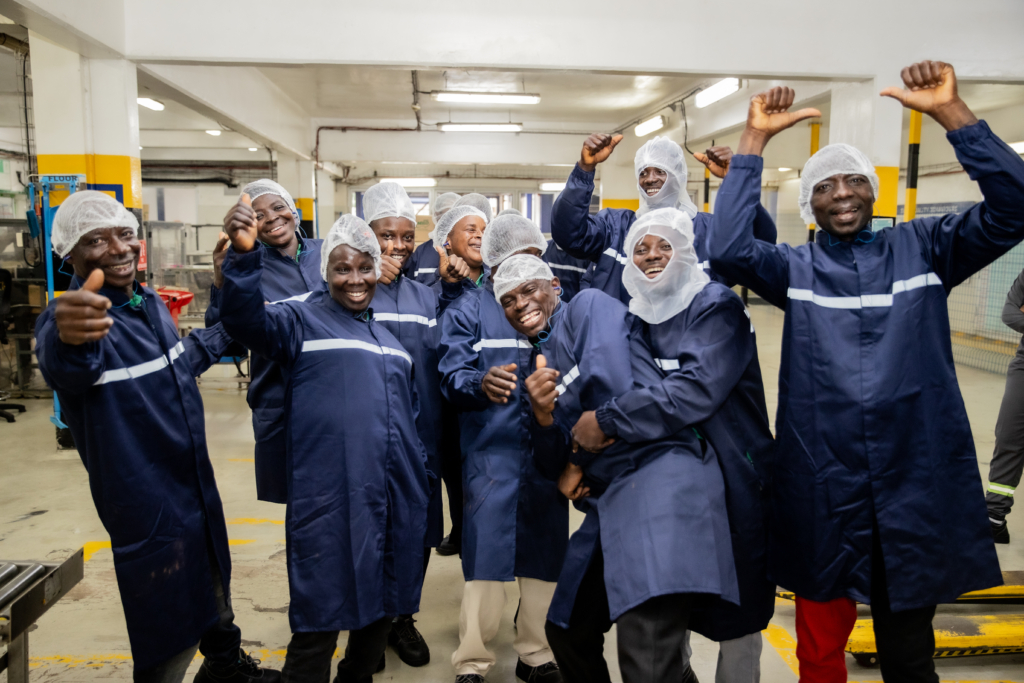
Madam Kwablah added that the initiative reinforces Nestlé’s long-standing commitment to farmer welfare and sustainability.
“It’s important for the sustainability of these communities that the children are educated, the farmers are supported, and the value chain is strengthened. That way, Nestlé will continue to get the cocoa it needs for production in Ghana and beyond.”
Latest Stories
-
Ghana must value skilled trades, build resilient learners — Ibn Chambas
6 minutes -
Ghana must rethink education around relevance, resilience and responsibility — Ibn Chambas
8 minutes -
Prince Harry faces defamation lawsuit from charity he co-founded
10 minutes -
South Korea deploys thermal cameras to track escaped zoo wolf
12 minutes -
Calls for royal meeting with Epstein survivors grow ahead of US visit
15 minutes -
Ibn Chambas advocates blend of technology and human values in education
17 minutes -
UMA improves healthcare access in Asutifi North with GH₵700k ‘Kim Taylor Legacy’ Walkway
22 minutes -
Scholarships Authority and Fanaka University offer sponsorship for procurement and supply chain studies
25 minutes -
Bisa Kdei drops new single ‘Go N Look’ featuring Medikal
31 minutes -
Benin facing rising terrorism in north as French military presence faces growing criticism
32 minutes -
UEW Public Lecture Series 2026: Education debate ‘about the soul of Ghana’s future’ — Dr Ibn Chambas
33 minutes -
EU fingerprint and photo travel rules come into force from today
1 hour -
Anti-LGBTQ+ Bill: Ghanaians demand expedited passage, not dialogue – Ntim Fordjour to Mahama
1 hour -
EU airline industry warns of fuel shortages if Strait of Hormuz stays closed
1 hour -
White House staff told not to place bets on prediction markets
1 hour