

Audio By Carbonatix
A new research by the University of Ghana has shown that using oil palm waste on vegetable farms could double yield and at the same time help fight climate change.
The increased yield will increase farmers’ income and create thousands of jobs in rural areas, thereby alleviating poverty.
“Poverty, malnutrition, and unemployment are very high in rural Ghana. The oil palm waste– the material left after taking out palm fruits from bunches—is right at their doorstep in large quantities, and our research shows the waste could give these people hope for a better future,” says Dr. Eric Oppong Danso, who’s leading the research at the University of Ghana’s Forest and Horticultural Crops Research Centre.
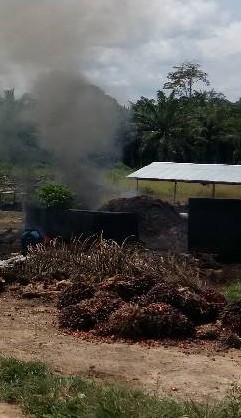
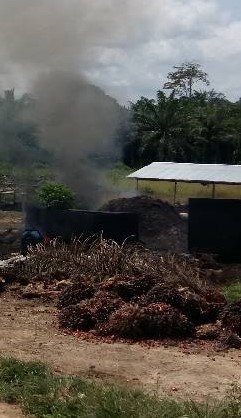
Huge amounts of oil palm waste are produced in oil palm plantations in Ghana. Every day, around 300 tonnes of this waste is produced, and usually it is burned off, thereby worsening climate change. But instead of being burned off, the waste can be used as organic fertilizer on vegetable farms to increase yield and mitigate emissions from uncontrolled burning.
“The vegetable market in Ghana is growing at over 10% per year, with the potential to employ thousands of rural farmers and help alleviate poverty. However, declining soil fertility will make it increasingly difficult to realize this potential without replenishing soil nutrients” Dr. Oppong Danso, explained.
The researchers found that by throwing just 30 kg of the oil palm waste on eggplant fields, they could increase the yield from 60 tonnes per hectare to 140 tonnes per hectare. This was shown at an experiment conducted in the Okumaning village of eastern Ghana.
“This means that farmers can have a better income and livelihood, and at the same time, more jobs will be created right from the farm, through the market, to the dining table," Dr. Oppong Danso emphasized.
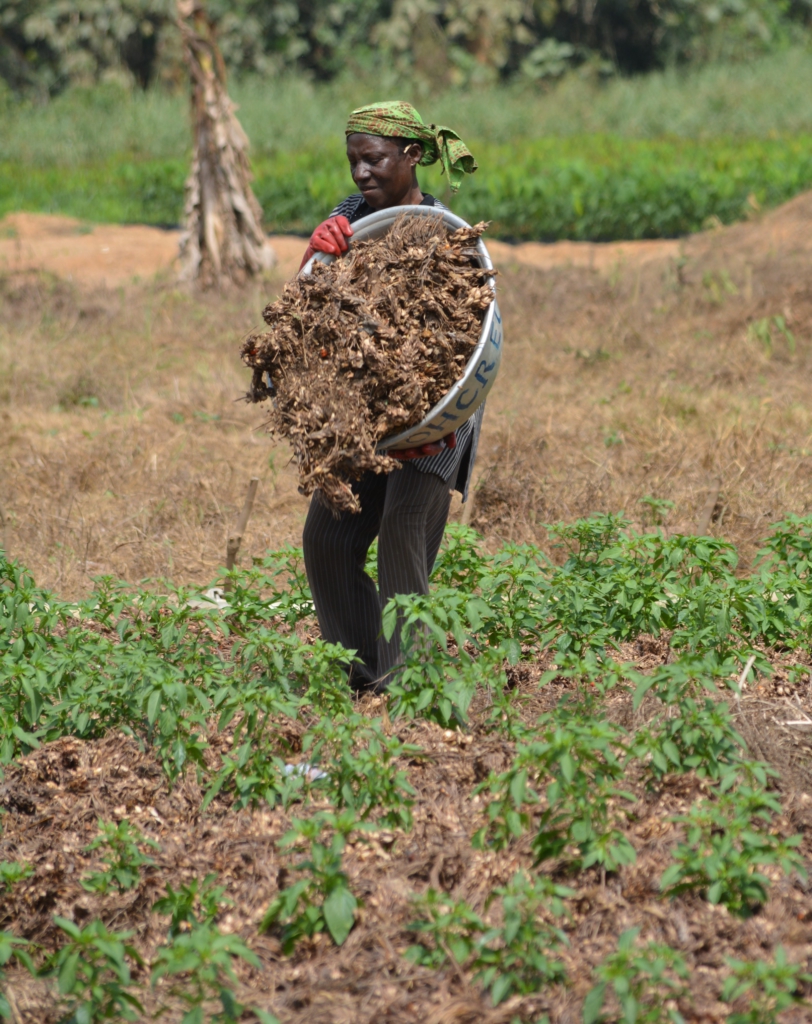
Vegetables have higher nutritional benefits compared with what is present in cassava, maize, and other everyday foods consumed in Ghana, but yields are very low due to low soil quality. By mobilizing Ghana’s largely unused oil palm waste, vegetable yields could be doubled and thereby help fight malnutrition and hunger in Ghana.
Latest Stories
-
A source of excellence across generations – Vice President Opoku-Agyemang lauds Mfantsipim
23 minutes -
(Photos) Mfantsipim School launches historic 150th anniversary
46 minutes -
Knights and Ladies of Marshall group backs Catholic Bishops’ stance on anti-LGBTQ+
2 hours -
Bright Simons writes: All the Filla in the Ibrahim Mahama/E&P – Gold Fields Saga
2 hours -
Monetise Idiocy In Ghana
2 hours -
The Ghanaian prophet and the mysterious death of his scottish wife Charmain Speirs
3 hours -
Nearly 400 sentenced in Nigeria for links to militant Islamists
3 hours -
Ghana’s recovery supported by gold strength despite global oil price pressures – Standard Bank Research
3 hours -
Methodist Church hails Mfantsipim@150; calls for “fresh consecration” to excellence
4 hours -
‘Excellence is our inheritance’ – Nana Sam Brew-Butler hails Mfantsipim’s 150-year reign in leadership
4 hours -
Kwaku Azar writes: A-G vs OSP
4 hours -
Mfantsipim–Adisadel rivalry built excellence, not division – Sam Jonah
4 hours -
Vice President launches Mfantsipim’s 150 years of shaping Ghana’s greatest mind
5 hours -
I assure Otumfuo, Mahama will join him to commission KNUST Teaching Hospital by end of this year – Haruna Iddrisu
5 hours -
Barcelona dominate derby to extend La Liga lead
6 hours