

Audio By Carbonatix
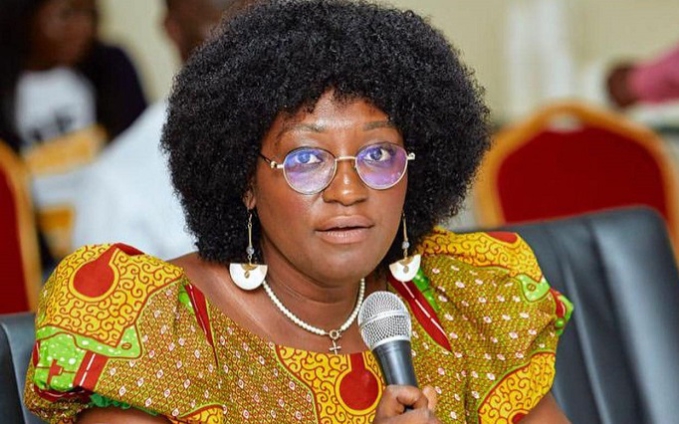
The Executive Secretary of the National Film Authority (NFA), Juliet Yaa Asantewaa Asante has mentioned some of the difficulties they went through during the incipient stage of the authority.
She told Kwame Dadzie, the host of Joy FM’s Showbiz A-Z that principal among their challenges when the NFA Board was inaugurated in 2019, was funding.
According to the celebrated actress, she even had to run the activities of NFA from her house.
She said the workers at the NFA got paid for the first time about two years after they were employed.
Prior to that, she funded the operations of the authority through personal sources.
“Last year, I posted that I got paid for the first last year September and all my workers got paid for the time last year I think sometime June or so,” she said.
Asked if they got back pay for the work they had done in the previous months, she replied that “some have, some haven’t. It’s a conversation we are having with our employers. So some haven’t."
Although she acknowledged the National Film Authority has made some strides since it was instituted, Juliet noted that funding still remains of their major setbacks.
Taking about the Film Development Fund, she said it was still in the offing.
“It is one of the things that is top on our agenda this year. Luckily, we finished most of the ground work that we need to do. We just finished working on the LI internally. So that is being looked at by the Board and the LI Committee, and then after that twill go through the process
Juliet said an account has been opened for the Film Fund.
The National Film Authority (NFA) was inaugurated by the President, Nana Akufo-Addo in 2019 as mandated by the Development and Classification Act 2016.
The NFA is tasked to evolve a dynamic, economically self-sustaining and culturally conscious film industry in the country in the national interest, and promote the creation of a conducive environment for the local production, distribution, exhibition and marketing of films.
It also aims at encouraging the use of films to project the identity and image of the Republic and its people within and outside the country;Bpromote and facilitate co-production between local and foreign producers, regulate foreign participation in the Ghanaian film industry, among others.
Latest Stories
-
Today’s Front pages: Thursday, April 9, 2026
5 minutes -
“Black Stars have what it takes to win the World Cup” – Sports Minister Kofi Adams
31 minutes -
Bank of Ghana Governor to perform official tee-off at 3i Africa Invitational Tournament
43 minutes -
Chamber of Bulk Oil Distributors urges caution amidst Special Prosecutor’s petroleum probe
1 hour -
NDC elections: Nat Tetteh eyes Eastern Regional Deputy Secretary position
1 hour -
Ablakwa highlights Ghana-France cooperation, praises Macron on reparatory justice
1 hour -
Protect people, not prices – Joe Jackson rejects fuel tax cuts and subsidies
2 hours -
Finance Ministry, BoG clarify false claims about Databank’s bond market specialist status
2 hours -
Lawyer petitions President to halt Terminal 2 refurbishment over value-for-money concerns
2 hours -
Sunyani Market traders urge government action amid surging ginger prices
2 hours -
Maphlix Farms to supply 3,000 tonnes to help bridge tomato deficit
2 hours -
Ho MP urges public access to officials’ asset declarations
2 hours -
Ecowas Bank for Investment and Development targets SMEs in Ghana with fresh funding for 2026
2 hours -
Two killed in Bosomtwe clash as residents demand increased security presence
2 hours -
Mahama returns from France to chair emergency Cabinet meeting on fuel prices
3 hours