

Audio By Carbonatix
Nigeria's Ogoni activists on Friday rejected a posthumous pardon for nine members executed three decades ago by a military dictatorship, criticising President Bola Tinubu's move as inadequate and perpetuating injustice.
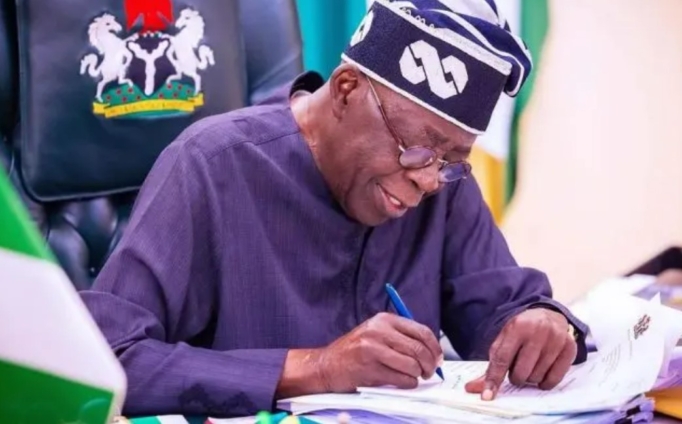
To commemorate Nigeria's Democracy Day on June 12, Tinubu pardoned the men, known as the "Ogoni Nine", including writer Ken Saro-Wiwa, who were hanged after being tried by a military tribunal for their protests against Shell's pollution in the oil-rich Niger Delta, which is home to the Ogoni ethnic group.
The executions sparked international condemnation against Nigeria's then-military junta and continue to be a contentious issue in the nation's history.
"You cannot pardon someone who has not committed an offence; we are demanding total exoneration," said Celestine Akpobari, coordinator of the Ogoni Solidarity Forum.
"To say 'pardon', I think it is insulting. If there is any group that needs pardon, it is the Nigerian government that has committed so many crimes against the Ogoni people," he told Reuters.
Tinubu's spokesperson rejected such criticism.
"The president has done what is normal. They can make an argument for exoneration and the president will look into it," Bayo Onanuga told Reuters.
Shell, which halted oil drilling in the area in the early 1990s and later sold its assets there, has denied any responsibility or wrongdoing.
Tinubu's efforts to resume oil drilling in Ogoniland have drawn fresh criticism from environmental activists.
Alagao Morris, deputy executive director of the Environmental Defenders Network, an interest group in the Niger Delta, said the pardon appeared to be an attempt to mollify the Ogoni people in the face of the region's continued environmental devastation.
"The pollution that ought to be addressed has not been addressed," Morris said.
He said the issue of oil drilling should be decided by the Ogoni people, but the complete exoneration of Saro-Wiwa and other executed activists should come first.
Nigeria, Africa's most populous country, relies on oil for more than 90% of export earnings and around two-thirds of government earnings, exposing its economy to global price shocks.
Latest Stories
-
Tyson Fury dominates Makhmudov, calls out Joshua next
2 minutes -
I have supported highway authority financially to fix roads in my constituency – A Plus
1 hour -
US, Iran fail to reach peace agreement after marathon talks in Pakistan
2 hours -
ECG kicks off Phase Two of transformer upgrades at Lashibi; brief outages expected
2 hours -
Port crises loom as 11,000 drivers threaten four-day strike
3 hours -
A source of excellence across generations – Vice President Opoku-Agyemang lauds Mfantsipim
4 hours -
(Photos) Mfantsipim School launches historic 150th anniversary
4 hours -
Knights and Ladies of Marshall group backs Catholic Bishops’ stance on anti-LGBTQ+
5 hours -
Bright Simons writes: All the Filla in the Ibrahim Mahama/E&P – Gold Fields Saga
6 hours -
Monetise Idiocy In Ghana
6 hours -
The Ghanaian prophet and the mysterious death of his scottish wife Charmain Speirs
6 hours -
Nearly 400 sentenced in Nigeria for links to militant Islamists
7 hours -
Ghana’s recovery supported by gold strength despite global oil price pressures – Standard Bank Research
7 hours -
Methodist Church hails Mfantsipim@150; calls for “fresh consecration” to excellence
7 hours -
‘Excellence is our inheritance’ – Nana Sam Brew-Butler hails Mfantsipim’s 150-year reign in leadership
7 hours