

Audio By Carbonatix
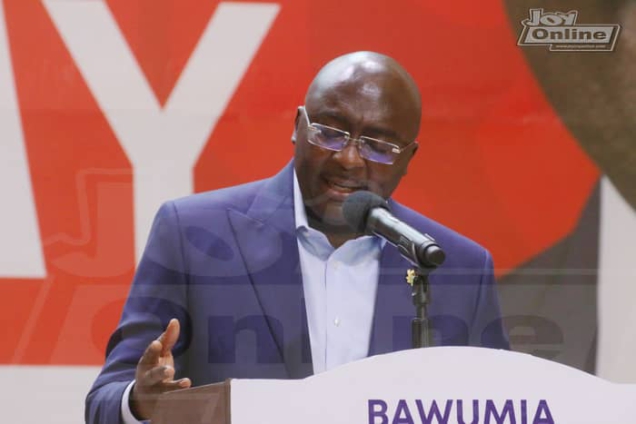
Vice President, Dr. Mahamudu Bawumia, has stated that in spite of the ravaging impact of the Covid-19 pandemic on the economy, interest rates now are lower than they were from 2013 to 2016.
According to the Vice President, between 2013 and 2016, inflation averaged 15.9%. However, between 2017 and 2021 inflation has averaged 10.4% notwithstanding the impact of Covid-19.
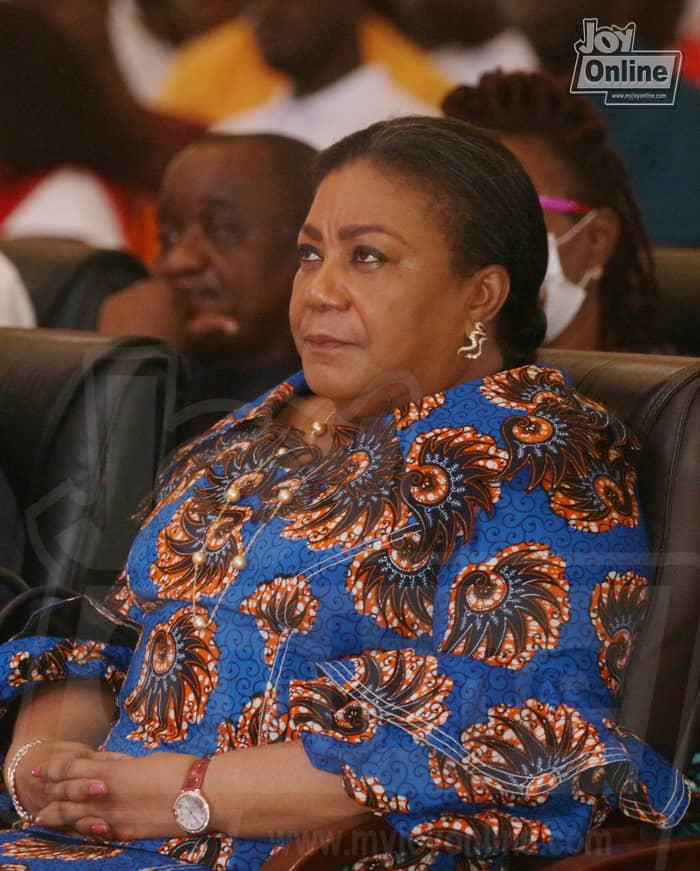
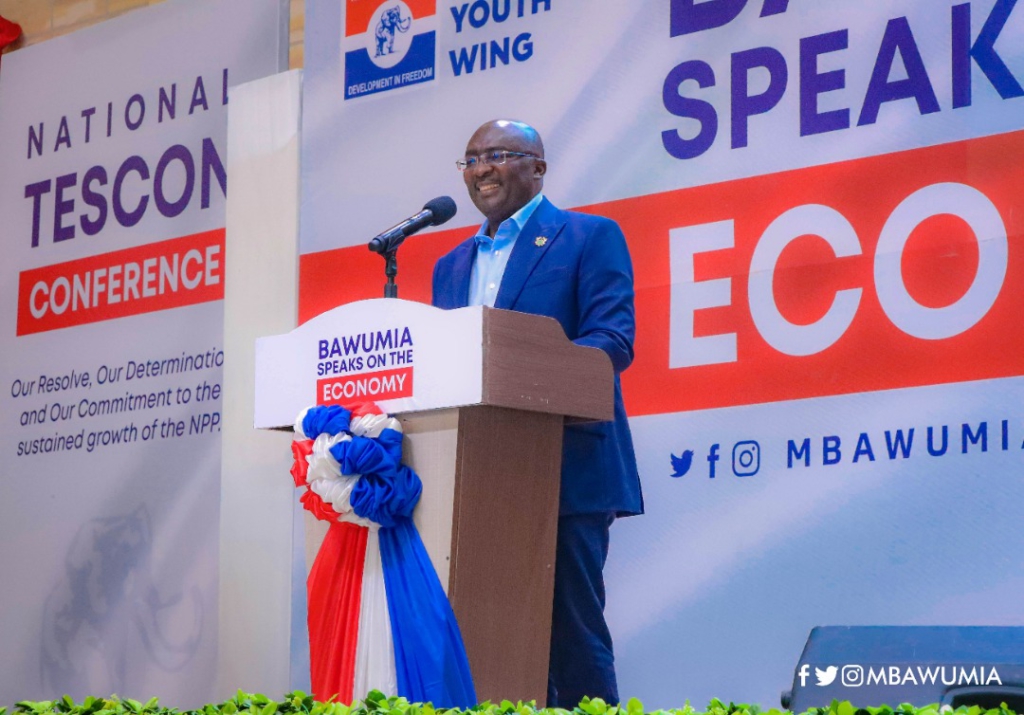
He said this while addressing TESCON members on Thursday, April 7 at the Pentecost Convention Centre, Millennium City, Kasoa Yesukrom.

During the address, the Vice President stated that global inflation is on the rise and many advanced economies like the UK and USA are experiencing their highest inflation rates in 30 and 40 years respectively, due to various factors including the Russia-Ukraine crisis and the Covid-19 pandemic. He further acknowledged that African countries, including Ghana and Nigeria, have not been spared by these factors.
"Indeed, the data shows that in the UK and US for example, inflation is accelerating at three to four times its rate in 2019 (before Covid). In Cote d’Ïvoire, inflation is accelerating at five times its rate before Covid-19. In Nigeria and Ghana, inflation is accelerating at 1.3 to 2 times its rate before Covid-19. The path of inflation in Ghana has been similar to those of other countries following the Covid pandemic," he noted.

The Vice President said notwithstanding the aforementioned factors, interest rates are lower now than they were in the 2013 -2016 period.
Dr. Bawumia stated that, in response to the recent increase in inflation, the Bank of Ghana has increased the policy rate by 2.5% from 14.5% to 17.0%.
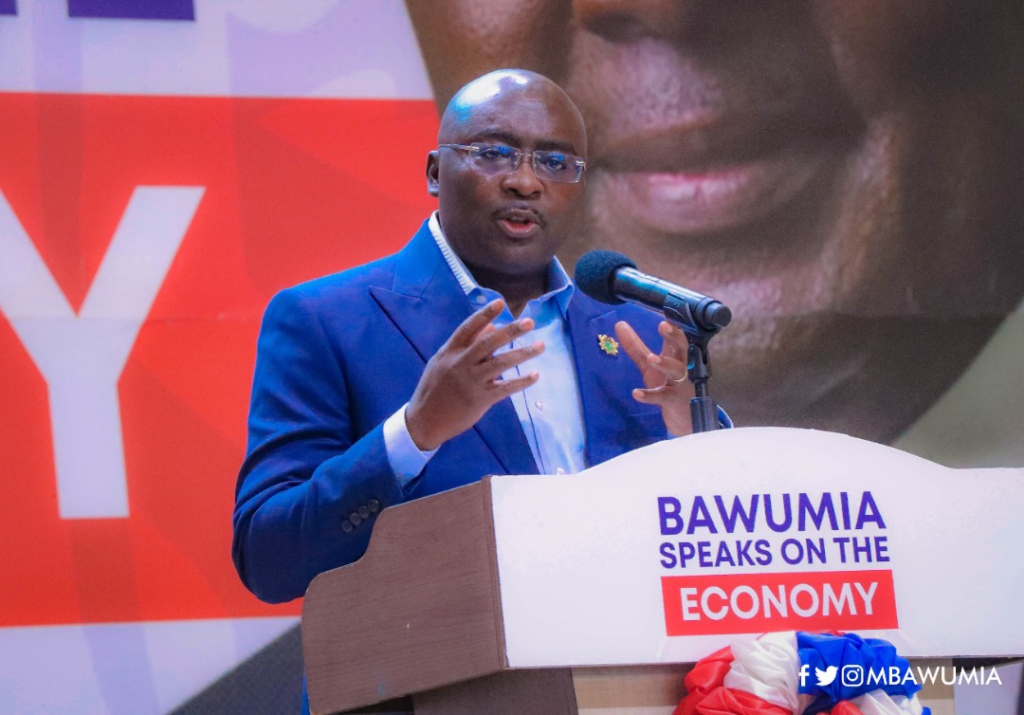
He explained that before Covid-19, "the steady disinflation process provided scope for significant monetary policy easing. The Bank of Ghana’s Monetary Policy Rate (MPR) was cut by a cumulative 11% between January 2017 and January 2021.
Dr Mahamudu Bawumia acknowledged that the country is going through some challenges at the moment.
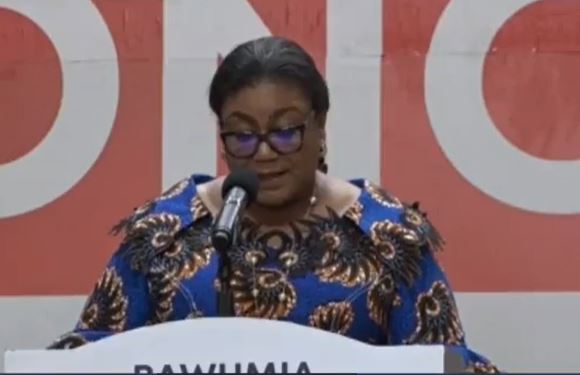
“The economy is what we feel in our pockets. I acknowledge that we are going through difficult times, this is the reality. Our economy is experiencing rising prices of fuel and virtually all commodities. Prices are on the rise.”
He however indicated that some measures have been introduced by the government to tackle the hardships currently being experienced.
Latest Stories
-
Slaty egret’s shifting nesting sites offer clues to changing ecosystems
1 minute -
First phase of arrears for promoted teachers to be paid on Friday – Haruna Iddrisu announces
4 minutes -
Caveman Watches partners with Mfantsipim School for 150th anniversary
26 minutes -
We’ll pursue GH¢15m defamation suit against Sammy Gyamfi to its logical conclusion – Afenyo-Markin’s lawyers
27 minutes -
Martin Kpebu urges Afenyo-Markin not to return to court over Sammy Gyamfi lawsuit
35 minutes -
GRA submits preliminary report on drug shipment case to Mahama – Commissioner-General
1 hour -
Sammy Gyamfi using ‘procedural roadblocks’ to dodge defamation case? – Afenyo-Markin’s lawyers
1 hour -
The illusion of a good deal: Why some everyday money-saving habits may be costing you more
1 hour -
Family seeks autopsy, police investigation into death of student 12 days after Abomosu SHS enrolment
1 hour -
Trade Minister urges employers to leverage industrial opportunities to create jobs
2 hours -
Asantehene plants trees to commence Jimi Watercourse Rehabilitation destroyed by galamsey
2 hours -
15 arrested, 6 trucks impounded over sandwinning activities on Kumasi-Accra Expressway
2 hours -
OFFICIAL: Vinicius will miss El Clásico, suspended four games
2 hours -
Prayer vigil held after four arson attack murders
2 hours -
GRA fully recovers $154k legacy debt owed by foreign entities between 2022 and 2024
2 hours