

Audio By Carbonatix
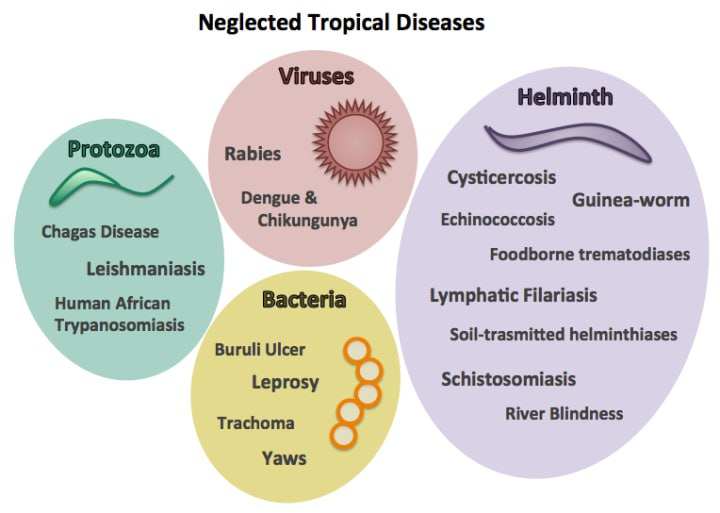
Neglected tropical diseases (NTDs) are a diverse group of health conditions that affect more than 1 billion people across the world, many of which are exposed to sub-standard living conditions prevalent in underdeveloped communities of tropical regions.
These diseases are caused by a variety of pathogens, including viruses, bacteria, parasites, fungi, and toxins.
In Ghana, these diseases have an immense socioeconomic impact on the lives of the individuals they affect. For example, lymphatic filariasis or elephantiasis, locally known as "gyepim" in the Twi language, is caused by filarial worms.
In the long term, it inflicts immense pain, disability, and deformative swelling of body parts of infected individuals, leading to shame and poverty.
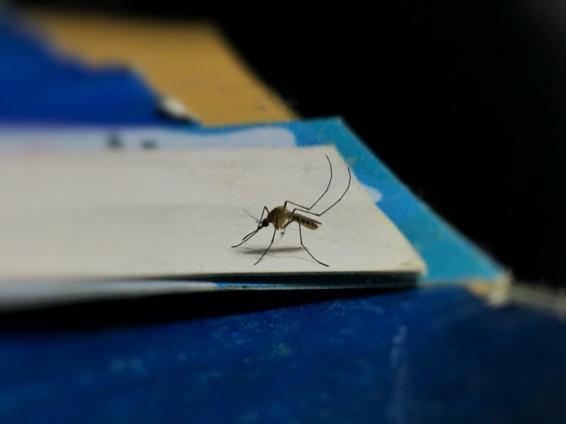
Interestingly, this disease is also spread by mosquitoes, well-known for their role in the spread of the plasmodium parasite species which cause the more familiar malaria disease. The lack of this knowledge among the general public is a result of low efforts to create public awareness and carry out preventive action against the spread of this particular NTD as compared to its more popular counterpart, malaria; which is in part, why it is described as ‘neglected’. As a result, the presence of a single untreated person in a community creates an equal risk of infection for everyone as that of malaria, especially in young children.
Besides, the disease burden that NTDs imposes on their patients, it also poses some sort of financial burden to the families. This is expressed through the patient’s disability-adjusted life years (DALY), which describes the years of healthy life lost due to the disability and translates to an economic cost arising from a loss of the otherwise productive populace.
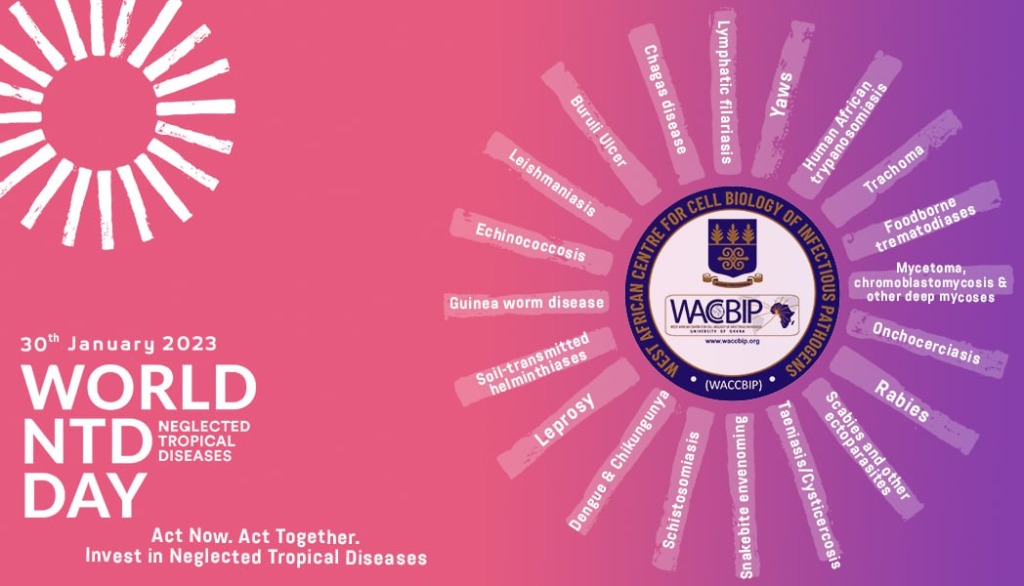
Even today, when the focus is on universal health coverage, NTDs research and management have relatively little financing, even from global funding agencies making them almost absent from our global health agendas and allowing them to continue perpetuating a cycle of poor educational outcomes and limited professional opportunities.
Of the 20 listed NTDs by the World Health Organization, some of those reported in Ghana include: Lymphatic Filariasis, Onchocerciasis, Trachoma, Schistosomiasis, Soil Transmitted Helminthiasis, Buruli ulcer, Yaws, Leprosy and Human African Trypanosomiasis.
WACCBIP scientists conduct research into a number of these NTDs with support from our partner institutions. The recent publication of our Buruli Ulcer Drug Discovery Database (BuDb), research into the potential of Acanthospermum hispidum (bristly starbur/goat head) against Trypanosoma brucei, monitoring of urogenital schistosomiasis transmission dynamics in school-age children in Northern Ghana, discovery of the diversity in structural biology of bloodstream form African trypanosomes, Machine learning prediction of antischistosomal small molecules and the identification of novel antileishmanial compounds are some highlights of our collaborative action toward fighting these NTDs.
Latest Stories
-
A source of excellence across generations – Vice President Opoku-Agyemang lauds Mfantsipim
39 minutes -
(Photos) Mfantsipim School launches historic 150th anniversary
1 hour -
Knights and Ladies of Marshall group backs Catholic Bishops’ stance on anti-LGBTQ+
2 hours -
Bright Simons writes: All the Filla in the Ibrahim Mahama/E&P – Gold Fields Saga
2 hours -
Monetise Idiocy In Ghana
2 hours -
The Ghanaian prophet and the mysterious death of his scottish wife Charmain Speirs
3 hours -
Nearly 400 sentenced in Nigeria for links to militant Islamists
4 hours -
Ghana’s recovery supported by gold strength despite global oil price pressures – Standard Bank Research
4 hours -
Methodist Church hails Mfantsipim@150; calls for “fresh consecration” to excellence
4 hours -
‘Excellence is our inheritance’ – Nana Sam Brew-Butler hails Mfantsipim’s 150-year reign in leadership
4 hours -
Kwaku Azar writes: A-G vs OSP
4 hours -
Mfantsipim–Adisadel rivalry built excellence, not division – Sam Jonah
5 hours -
Vice President launches Mfantsipim’s 150 years of shaping Ghana’s greatest mind
5 hours -
I assure Otumfuo, Mahama will join him to commission KNUST Teaching Hospital by end of this year – Haruna Iddrisu
6 hours -
Barcelona dominate derby to extend La Liga lead
6 hours