

Audio By Carbonatix
Nursing mothers on treatment for HIV condition have been advised to reduce their 6-month exclusive breastfeeding routine, in order to lessen the risk of transmission.
This advice, according to the Chief of Party for John Snow Incorporated’s (JSI) Strengthening the Care Continuum Project, is beneficial, regarding the risk of transmission to newborn babies.
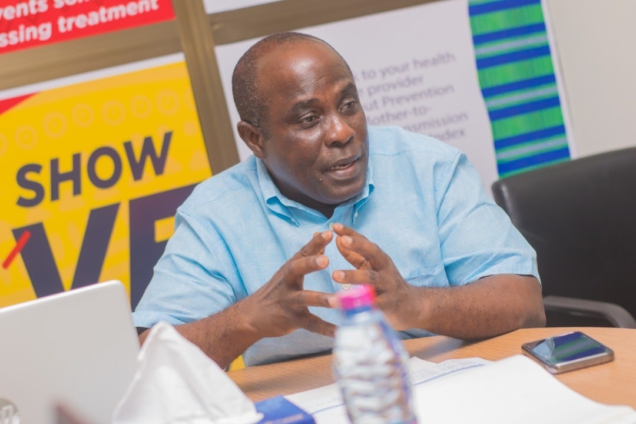
Dr Henry Nagai made this revelation at the opening of a PEPFAR media workshop for 16 selected journalists in the Western region on ending the HIV/AIDS and Covid-19 pandemics.
“If you are HIV positive as a mother, or even if you are on treatment, you’re going to give birth to who we call an “HIV Exposed Infant” (HEI) because the child has been exposed within the womb. If you are on treatment, we don’t expect the child to be infected and so we test the child as soon as they are given birth to or within 6 weeks and above; what we call the “Early Infant Diagnosis.”
He added that “breastfeeding is the best for a baby but if a mother is positive, then we want to make sure that as much as possible we have a balance and so we say that if you are HIV positive and on medication, you can breastfeed your child but breastfeed the child for just a short period. Usually around 2 to 3 months, you should start weaning the child off, so that you don’t have prolonged breastfeeding because there is a probability that if you do prolonged breastfeeding, you may enable transmission to your child.”
Dr Nagai meanwhile mentioned that families that can afford artificial feeding for their newborns was highly recommended.
“On the other extreme end, if the mother has a lot of resources to buy infant formula, where you have to prepare it well and hygienically, then that is also great.”
The JSI Chief Party further encouraged pregnant mothers not to shy away from HIV testing as, there is treatment for the condition now.
“If you are pregnant, it means you have had unprotected sex and so when you come to the facility, please go through all testing that are offered because we don’t want the child who wasn’t part of your activities to be infected.”
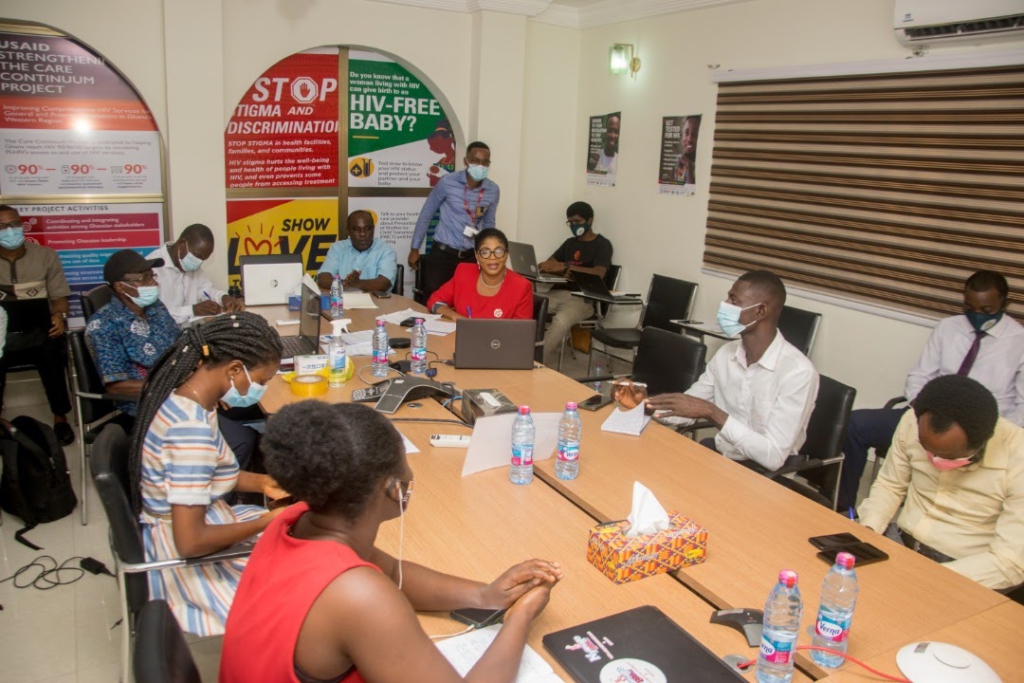
With the global strategy of “Test and Treat”, “Undetectable=Untransmittable” (U=U), “95-95-95 by 2030” and anti-stigmatization campaign respectively, PEPFAR have since 2002 been supporting health programmes in Ghana to substantially increase the number of people receiving prevention, treatment and care for HIV.
The 7-week annual workshop is sponsored by the U.S President’s Emergency Plan for AIDS Relief (PEPFAR), implemented by the U.S. Embassy Ghana and in partnership with the African Centre for Development Reporting (ACEDEV) and Media HealthLink.
Latest Stories
-
Tyson Fury dominates Makhmudov, calls out Joshua next
7 minutes -
I have supported highway authority financially to fix roads in my constituency – A Plus
1 hour -
US, Iran fail to reach peace agreement after marathon talks in Pakistan
2 hours -
ECG kicks off Phase Two of transformer upgrades at Lashibi; brief outages expected
2 hours -
Port crises loom as 11,000 drivers threaten four-day strike
3 hours -
A source of excellence across generations – Vice President Opoku-Agyemang lauds Mfantsipim
4 hours -
(Photos) Mfantsipim School launches historic 150th anniversary
4 hours -
Knights and Ladies of Marshall group backs Catholic Bishops’ stance on anti-LGBTQ+
5 hours -
Bright Simons writes: All the Filla in the Ibrahim Mahama/E&P – Gold Fields Saga
6 hours -
Monetise Idiocy In Ghana
6 hours -
The Ghanaian prophet and the mysterious death of his scottish wife Charmain Speirs
6 hours -
Nearly 400 sentenced in Nigeria for links to militant Islamists
7 hours -
Ghana’s recovery supported by gold strength despite global oil price pressures – Standard Bank Research
7 hours -
Methodist Church hails Mfantsipim@150; calls for “fresh consecration” to excellence
7 hours -
‘Excellence is our inheritance’ – Nana Sam Brew-Butler hails Mfantsipim’s 150-year reign in leadership
7 hours