

Audio By Carbonatix
Ghana is set to lose approximately $138.7 million in financial assistance this year following the United States’ decision to withdraw aid for HIV/AIDS programs.
The funding, which was requested under the USAID Foreign Assistance Discretionary Request Report, was meant to support key sectors such as health, economic growth, education, and governance.
“In terms of aid, Ghana on average receives more than $130 million annually,” a Joy News source revealed.
“Last year alone, bilateral support from USAID totalled over $150 million, which was dedicated to health, agriculture, education, governance, and other critical sectors. This year, Ghana submitted a request for $138.7 million, and now, that amount will no longer be available.”
One of the hardest-hit sectors will be health, which had a $69.2 million aid request dedicated to combating malaria, improving health security, maternal and child health, family planning, reproductive health, and nutrition. With the withdrawal of US funding, these essential programs are now at risk.
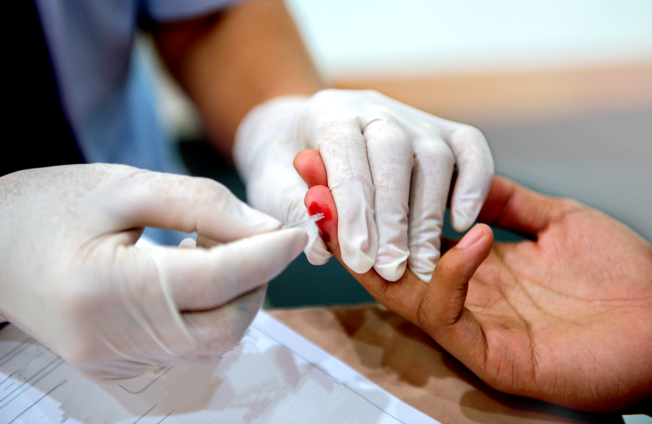
The fight against HIV/AIDS will also suffer significantly.
Since 2007, Ghana has benefited from the U.S. President’s Emergency Plan for AIDS Relief (PEPFAR), an initiative designed to prevent the spread of HIV/AIDS and support those living with the disease.
Over the years, the program has invested more than $132 million in Ghana, working closely with local partners to tackle the epidemic.
However, with the latest funding cut, efforts to provide antiretroviral therapy, testing, and prevention programs will be affected.
The US aid withdrawal poses a major challenge for Ghana, as funding shortfalls could impact crucial public health initiatives and economic development programs.
Moving forward, Ghana may have to explore alternative funding sources to sustain its progress in these sectors.
Latest Stories
-
Power restoration fault suspected in Kumasi Central Market fire
3 hours -
The 7-foot giant of Ngleshie Amanfro: Seven-foot Ghanaian Ephraim Saawa dreams of joining the national basketball team
4 hours -
Government promises support for Kumasi Central Market fire victims
4 hours -
Vibes The Movie: Big Ghun’s Ghanaian film earns five nominations at 2026 REFFA
4 hours -
MamaCare CEO warns unresolved conflicts among health workers could undermine maternal and neonatal care
5 hours -
Health professionals urged to translate medical knowledge into practice to save mothers
5 hours -
Conflicts among care providers linked to maternal, neonatal deaths – Expert
6 hours -
GIS marks 10th TIME conference, champions improved teaching practices
6 hours -
BRICS Or Balance? What Ghana’s bid really means
7 hours -
GPRTU wants full TRAFFITECH-GH implementation to start in 2027
7 hours -
Mahama announces plans to import electric wheelchairs for PWDs
7 hours -
KGL U17 Colts 2026: Western beat Prempeh Elite Academy to set up final final with Greater Accra Region
8 hours -
Late Solanke strike salvages 10-man Spurs draw at Man United
8 hours -
Gender Ministry to monitor welfare of Nana Akua Addo’s children amid domestic violence case
8 hours -
Benedict Okyere Yeboah: Ghana’s football problem goes beyond sacking a coach
8 hours