

Audio By Carbonatix
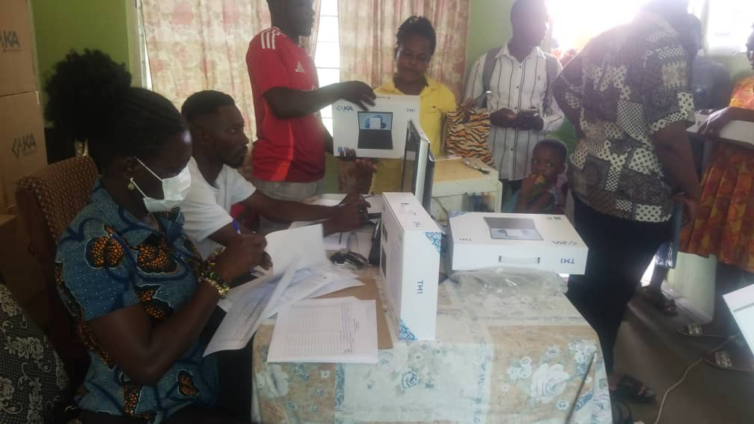
Ten out of the 16 regions in Ghana have been fully supplied with laptops under the government’s One Teacher, One Laptop program.
This initiative means that approximately 300,000 teachers across various levels - including Senior High Schools (SHS), Junior High Schools (JHS), Primary, and Kindergarten - have received their laptops.
The distribution also extends to teachers on study leave and qualified non-teaching staff of the Ghana Education Service (GES).
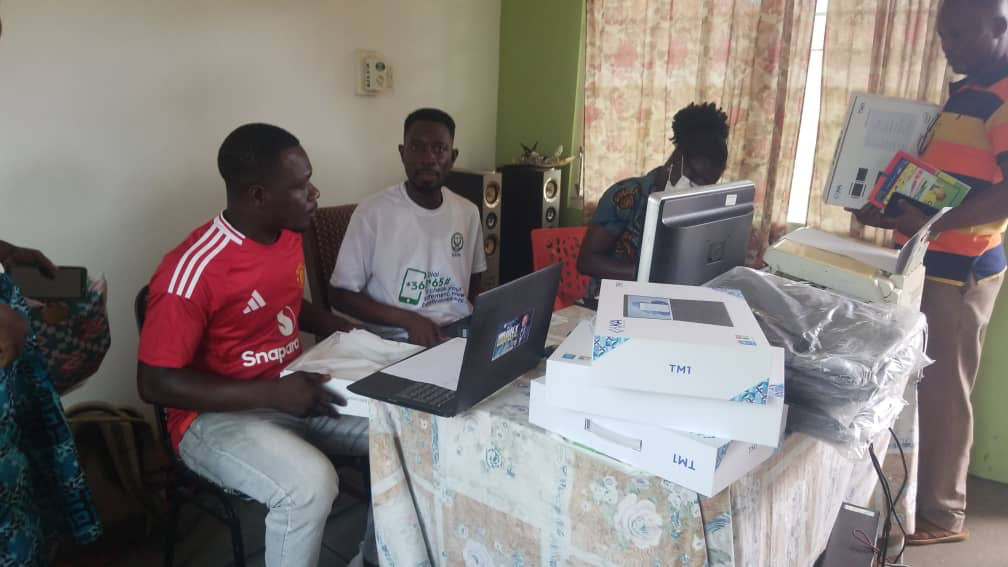
With less than one per cent of the beneficiaries yet to receive their laptops, a nationwide mop-up exercise is currently underway to ensure complete coverage.
In the remaining six regions, while some categories of beneficiaries have received their laptops, others, particularly teachers on leave, are yet to generate a collection code to claim their devices from Regional and District ICT Coordinators.
The GES, in collaboration with teacher unions, is intensifying efforts to complete the nationwide distribution by the end of this month.
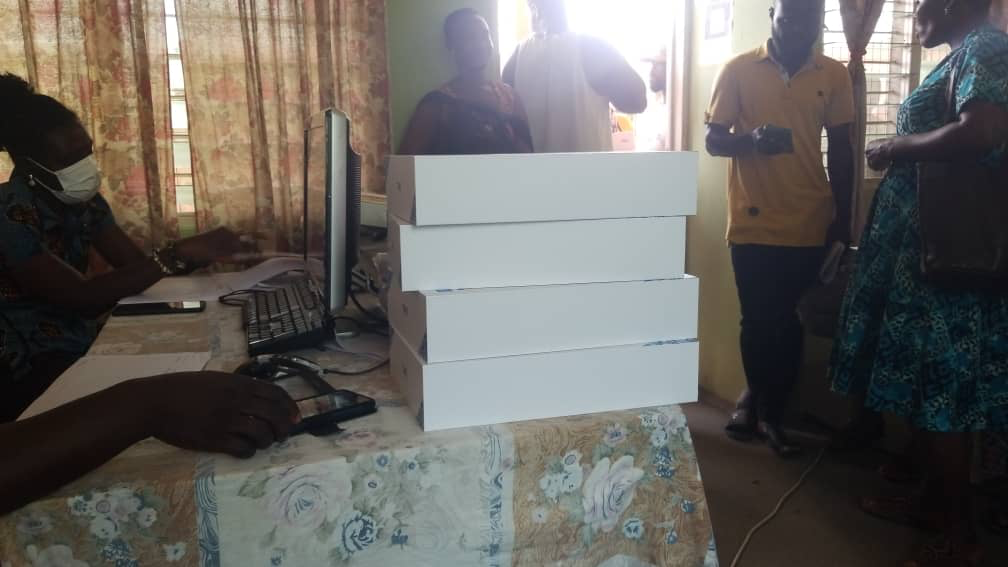
Recently, distribution has been active in the Ashanti, Bono, Bono East, Western North, Eastern, Volta, and Oti regions, where more teachers have received their TM1 laptops. Last month, additional distributions were made to teachers in the Greater Accra and Ashanti regions.
Teaching and non-teaching staff who have not yet received their laptops can generate a collection code by dialling 790555# and contacting their ICT coordinators for assistance.
Launched in September 2021, the One Teacher, One Laptop program aims to enhance teaching and learning outcomes in pre-tertiary educational institutions nationwide.
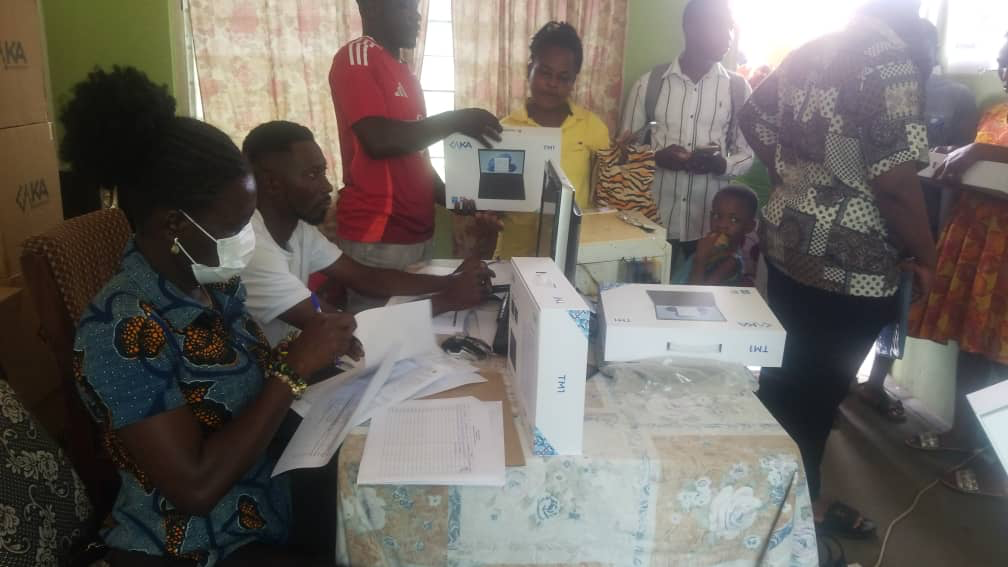
Under this program, every public school teacher from kindergarten to senior high school is entitled to a laptop to aid in lesson preparation, research, and learning.
The government covers 70% of the laptop cost, with teachers contributing the remaining 30% through their unions.
These laptops also enable teachers to access digital online training through National Teaching Council-approved modules, ensuring alignment with National Teacher Standards across the country.
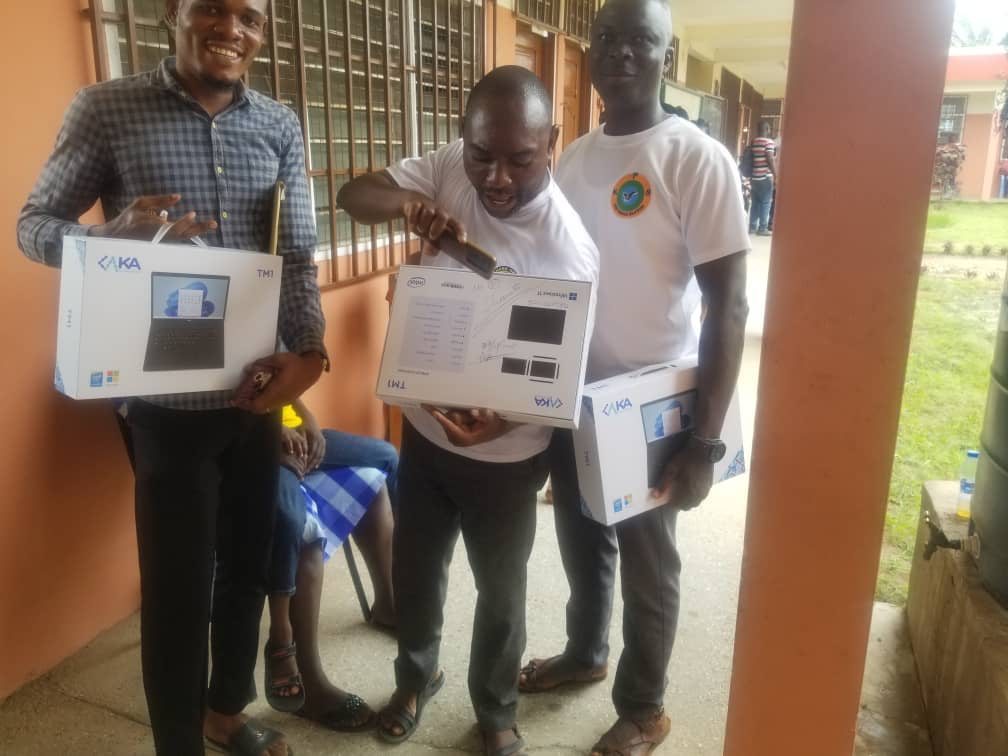
By integrating technological tools like laptops into the education system, Ghana aims to foster innovation, accelerate the transfer of information, increase student engagement, and automate various educational processes.
This program is part of Ghana’s broader effort to leverage ICT in education and actively participate in the Fourth Industrial Revolution.
Latest Stories
-
Anti-LGBTQ Bill: NDC’s arrogance is worrying – Hassan Tampuli
8 minutes -
Let’s give OSP time to mature, not to scrap it – Hassan Tampuli
12 minutes -
Nigeria convicts 386 Islamist militants in mass trials
17 minutes -
Djibouti president wins election with 97.8% of vote, state media says
22 minutes -
We don’t have mandate to deduct tax from rent allowance of security services personnel – Interior Ministry clarifies
36 minutes -
Ablakwa receives Presidential Special Envoy on Reparations to advance global agenda
54 minutes -
Christina Koch becomes first woman to travel around the moon on Artemis II
1 hour -
Epstein survivors’ calls to meet King Charles and Queen harder to ignore as US visit approaches
1 hour -
UN Secretary-General names Ghana’s Anita Kiki Gbeho as South Sudan envoy
1 hour -
Mali withdraws recognition of Sahrawi Republic, backs Morocco’s autonomy plan
1 hour -
Gov’t distributes over 8,500 laptops to One Million Coders project
1 hour -
Julius Debrah, ‘man to beat’ as NDC’s James Agbey dismisses Musah Dankwah’s polls
1 hour -
GPRTU in Savannah Region to protest alleged eviction in Damongo
2 hours -
Re: Reinsurance does not replace process — A response to the SIGA–SIC defence
2 hours -
Gender Ministry supports Harriet Amuzu in ongoing abuse case
2 hours