

Audio By Carbonatix
Senior dietician at the University of Ghana Medical Centre, Amos Agyei Gyamfi, is advocating for moderation in the consumption of salt.
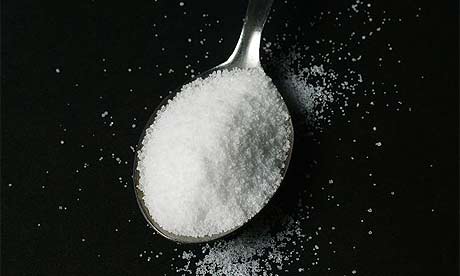
According to him, no more than one teaspoon of salt in day will reduce the risk of hypertension.
Speaking on the importance of dietary management in controlling blood pressure, Mr Gyamfi emphasised that excessive salt intake is a significant contributor to the development of hypertension.
Mr. Gyamfi explained that high salt consumption leads to increased blood pressure, which in turn raises the risk of cardiovascular diseases such as stroke and kidney failure.
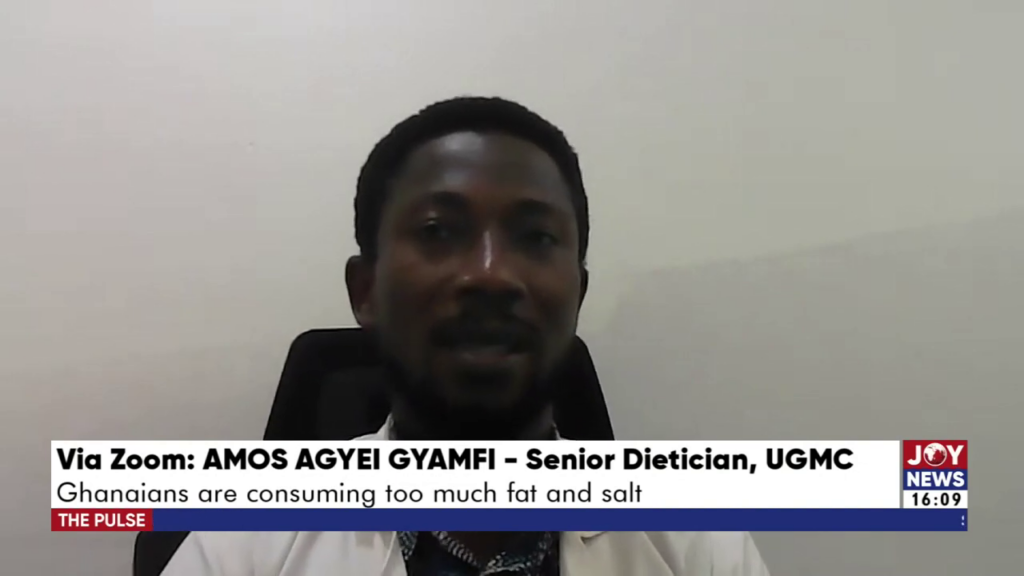
“For your cardio-protective health, a meal good in drains and less salt. In Ghana, someone’s pinch of salt might be more than five grams. Technically, on a daily basis, it’s recommended that you have about a teaspoon of salt for the whole day, and it’s also advisable to put salt on the table. We shouldn’t have the excess of the oils,” he indicated.
The dietician's advice aligns with global health guidelines, which also suggest limiting salt intake to minimise the risk of hypertension and associated health complications.
Speaking to the host of The Pulse, Elton Brobbey, the dietician advised that individuals should be mindful of hidden salt in processed and packaged foods, which can contribute to higher salt consumption without realising it.
In addition to reducing salt intake, Mr. Agyei Gyamfi recommended a balanced diet rich in fruits, vegetables, whole grains, and lean proteins, combined with regular physical activity, to maintain optimal blood pressure and overall health.
He believes our local foods are rich in nutrients, and westernising of our diets exposes us to cardiovascular diseases.
“As Ghanaians, we shouldn’t be mordenising our diet by following western diets. Our local diets are good for us. It’s just about what goes into it. Ghanaians are consuming too much fat and salt. Too much of the processed foods. We are avoiding natural and fresh foods. Those are the challenges we are facing now,” Mr. Gyamfi said.
The healthcare professional is of the firm view that by adopting these dietary changes, Ghanaians can take proactive steps towards better health and a reduced incidence of hypertension.
Latest Stories
-
A source of excellence across generations – Vice President Opoku-Agyemang lauds Mfantsipim
17 minutes -
(Photos) Mfantsipim School launches historic 150th anniversary
40 minutes -
Knights and Ladies of Marshall group backs Catholic Bishops’ stance on anti-LGBTQ+
2 hours -
Bright Simons writes: All the Filla in the Ibrahim Mahama/E&P – Gold Fields Saga
2 hours -
Monetise Idiocy In Ghana
2 hours -
The Ghanaian prophet and the mysterious death of his scottish wife Charmain Speirs
3 hours -
Nearly 400 sentenced in Nigeria for links to militant Islamists
3 hours -
Ghana’s recovery supported by gold strength despite global oil price pressures – Standard Bank Research
3 hours -
Methodist Church hails Mfantsipim@150; calls for “fresh consecration” to excellence
4 hours -
‘Excellence is our inheritance’ – Nana Sam Brew-Butler hails Mfantsipim’s 150-year reign in leadership
4 hours -
Kwaku Azar writes: A-G vs OSP
4 hours -
Mfantsipim–Adisadel rivalry built excellence, not division – Sam Jonah
4 hours -
Vice President launches Mfantsipim’s 150 years of shaping Ghana’s greatest mind
5 hours -
I assure Otumfuo, Mahama will join him to commission KNUST Teaching Hospital by end of this year – Haruna Iddrisu
5 hours -
Barcelona dominate derby to extend La Liga lead
5 hours