

Audio By Carbonatix
A shortage of 10 pesewas coin in Koforidua is stopping sachet water vendors from reducing prices, forcing most to keep the retail cost at 50 pesewas even though many would prefer selling at 40 or lower.
Street vendors told the Ghana News Agency on Wednesday that the inability to secure small‑denomination coins had become one of the most frustrating challenges in daily trading.
Several sellers explained that while customers often requesedt a lower price, they simply could not give the exact change.
“People want to pay 40 pesewas, but we don’t get the 10‑pesewa coins anywhere,” one vendor said. “If a buyer gives you one cedi, how do you give the right change? That is why the price remains 50 pesewas.”
The situation has kept retail prices fixed despite stability in the wholesale cost of sachet water.
In interviews conducted across the town, vendors said prices per bag had not changed even after the Public Utilities Regulatory Commission increased water tariffs by 15.92 per cent and electricity tariffs by 9.86 per cent at the start of the year.
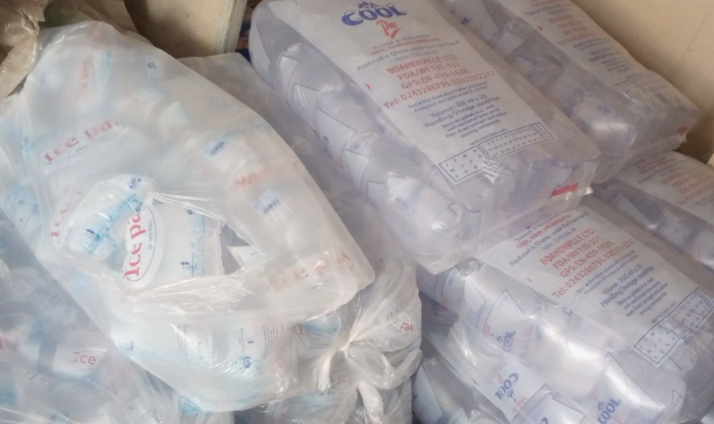
At small shops and delivery trucks, sellers described a similar pattern: Ice Pak Drinking Water is sold at six to eight Ghana Cedis per bag.
Sweet Nsu continues moving from five Ghana Cedis for wholesale to seven Ghana Cedis for retail.
For many others, including Ice Max and SirCool, the margin remains unchanged, and sellers say they have not adjusted their prices in response to the utility increases.
Vendors interviewed expressed relief that wholesale prices have not risen, saying it has helped them maintain steady sales and ease the cost of many consumers.
However, they noted that the shortage of the coin made it difficult to offer more flexible pricing options, particularly for low‑income customers buying single units.
Mr Nelson Ofori, who has sold sachet water for years, said business has remained relatively stable but could be better if the currency situation improved.
“Water is something everyone must buy,” he said. “If the small coins are available, many of us would reduce the price. But without change, we cannot manage the lower rate.”
Sachet water remains one of the most widely consumed products in Ghana’s towns and cities, where it serves as the most accessible source of drinking water for commuters, traders, and households.
Vendors say the shortage of the coin was now affecting not only their ability to set prices but also the speed of transactions during busy hours.
Despite the challenge, sellers continue to hope that the availability of small‑denomination coins will improve, allowing them to adjust prices in response to consumer demand.
Latest Stories
-
KNUST announces revised reopening dates, lectures begin October 19
1 minute -
GoldBod, military engineers partner to reclaim galamsey-damaged Tano Nimri Forest
2 minutes -
NACOC educates 450 Koforidua SHS students on dangers of drug abuse
2 minutes -
First-year students stranded as Obuasi SHTS remains closed over misconduct probe
4 minutes -
Court halts promotion of 40 police officers pending IGP’s appeal
6 minutes -
Gender Ministry deploys teams nationwide to monitor LEAP cash grant payments
11 minutes -
GNFS contains Somoco warehouse fire; bushfire near TTU in Takoradi
12 minutes -
Recurring teacher-student sexual abuse cases give cause for worry – Salaga South MP
16 minutes -
D-Black shocked as only 16 radio and TV stations pay music royalties
21 minutes -
Former SIC Savings and Loans MD Amma Frimpomaa Dwumah honours EOCO invitation
34 minutes -
Meta removes 3.7 million accounts in international fraud crackdown linked to UK, US victims
35 minutes -
Gold Stars CEO Kwasi Adu sanctioned by GFA over misconduct
47 minutes -
AFCON 2027Q: ‘We should assemble the best squad’ – George Afriyie speaks on Black Stars’ team
54 minutes -
Public money belongs to the people, not government officials – Ato Forson
1 hour -
Power, politics and the battle for electoral credibility: Is Ghana’s electoral commission truly independent?
1 hour