

Audio By Carbonatix
Senior dietician at the University of Ghana Medical Centre, Amos Agyei Gyamfi, is advocating for moderation in the consumption of salt.
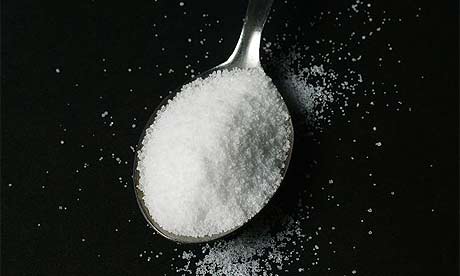
According to him, no more than one teaspoon of salt in day will reduce the risk of hypertension.
Speaking on the importance of dietary management in controlling blood pressure, Mr Gyamfi emphasised that excessive salt intake is a significant contributor to the development of hypertension.
Mr. Gyamfi explained that high salt consumption leads to increased blood pressure, which in turn raises the risk of cardiovascular diseases such as stroke and kidney failure.
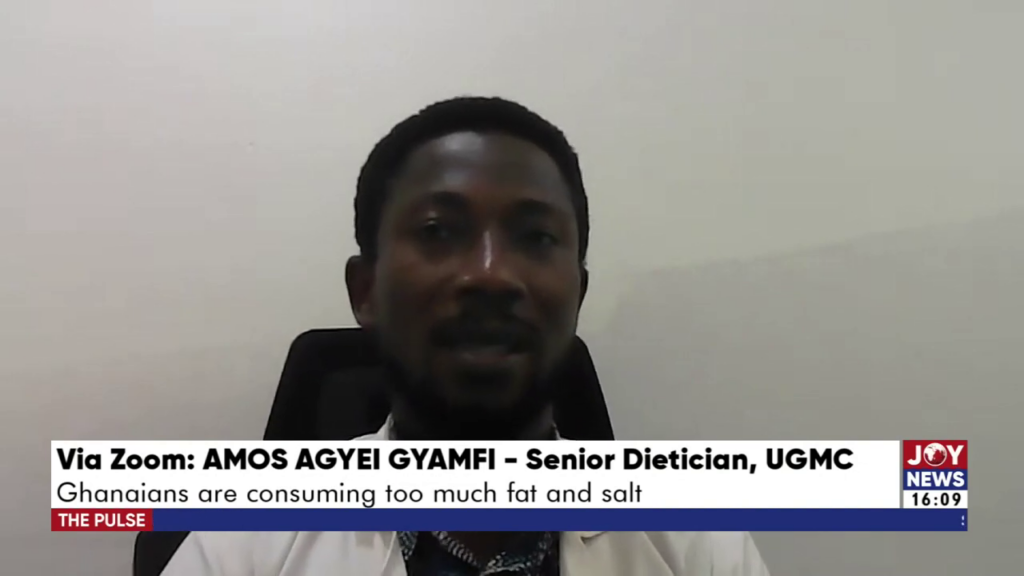
“For your cardio-protective health, a meal good in drains and less salt. In Ghana, someone’s pinch of salt might be more than five grams. Technically, on a daily basis, it’s recommended that you have about a teaspoon of salt for the whole day, and it’s also advisable to put salt on the table. We shouldn’t have the excess of the oils,” he indicated.
The dietician's advice aligns with global health guidelines, which also suggest limiting salt intake to minimise the risk of hypertension and associated health complications.
Speaking to the host of The Pulse, Elton Brobbey, the dietician advised that individuals should be mindful of hidden salt in processed and packaged foods, which can contribute to higher salt consumption without realising it.
In addition to reducing salt intake, Mr. Agyei Gyamfi recommended a balanced diet rich in fruits, vegetables, whole grains, and lean proteins, combined with regular physical activity, to maintain optimal blood pressure and overall health.
He believes our local foods are rich in nutrients, and westernising of our diets exposes us to cardiovascular diseases.
“As Ghanaians, we shouldn’t be mordenising our diet by following western diets. Our local diets are good for us. It’s just about what goes into it. Ghanaians are consuming too much fat and salt. Too much of the processed foods. We are avoiding natural and fresh foods. Those are the challenges we are facing now,” Mr. Gyamfi said.
The healthcare professional is of the firm view that by adopting these dietary changes, Ghanaians can take proactive steps towards better health and a reduced incidence of hypertension.
Latest Stories
-
World Cup visa scandal: People have leveraged public office to facilitate fraud – Senyo Hosi
19 seconds -
Glut! Farmers count losses as prices crash, customers happy
36 minutes -
GSA postpones auction of unserviceable vehicles
38 minutes -
Man charged with attempted murder after stabbing
41 minutes -
World Cup visa scandal: Senyo Hosi says issue goes beyond calls for Sports Minister’s resignation
43 minutes -
Yaw Ampofo Ankrah hasn’t taken or received any money to facilitate visas – Lawyer insists
1 hour -
World Cup visa scandal: Senyo Hosi urges focus on constitutional accountability
1 hour -
La Beach demolition: Senyo Hosi condemns lack of consultation
1 hour -
Russian glide bomb attack on Zaporizhzhia kills at least 15 people
1 hour -
Jinapor warns underperforming energy sector CEOs of consequences, says no protection for failure
1 hour -
Fire destroys head of tipper truck on Lower Volta Bridge
2 hours -
Palmer signs new Chelsea contract until 2034
2 hours -
World Cup visa scandal: Mahama will act on corruption allegations – Abass Nurudeen
2 hours -
Abass Nurudeen accuses Minority of ‘scandal scavenging’ over World Cup visa controversy
2 hours -
US Embassy recognised NSA, GFA and GTA as separate entities for visa applications – Sports Minister’s aide
2 hours