

Audio By Carbonatix
The Ghana Statistical Service (GSS) says more than 1.3 million young Ghanaians were out of work, school, or training in the third quarter of 2025, highlighting persistent labour market pressures and widening skills gaps.
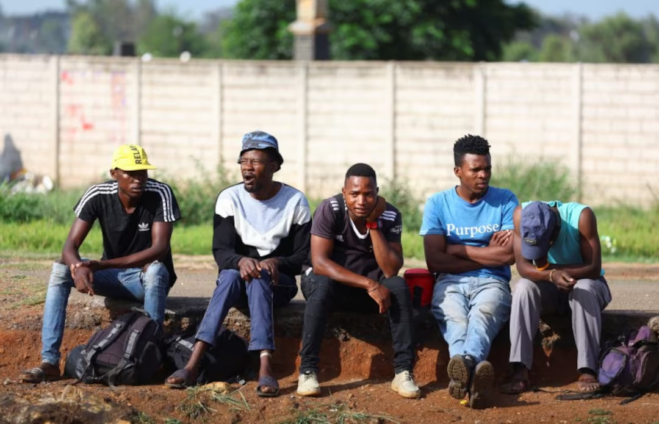
The data show that 1.3 million people aged 15 to 24 — representing 21.5 per cent of the age cohort — were classified as not in education, employment, or training (NEET), raising concerns over youth disengagement from productive economic activity.
The data also highlight sharp regional disparities in youth engagement. NEET rates for persons aged 15 to 35 ranged from a high of 25.3% in the Central Region to a low of 9.5% in the Oti Region, reflecting uneven access to jobs, education, and training across the country.
Labour underutilisation remains a significant concern. About one in five employed persons was underutilised, with the composite labour underutilisation rate holding at 23.0% in the second quarter and slightly rising to 23.4% in the third quarter, showing minimal variation by gender or locality.
GSS noted that underemployment was more pronounced in rural areas, averaging 15.3% in the second quarter and 14.9% in the third, compared with 9.5% and 9.7% in urban centres.
The GSS data also indicate persistent skills and education mismatches in the labour market. In the third quarter, 65.8% of employed persons reported that their skills matched job requirements, while over 10% considered themselves over-skilled—particularly men and urban workers. Conversely, 3.3% reported having skills below job requirements, with the highest shares among men in rural areas.
Education mismatches followed a similar pattern. While 58.4% of workers reported that their education matched their jobs, 8.2% considered themselves overqualified, and 15.7% underqualified, with under-qualification most prevalent in rural areas.
Youth unemployment remains significantly higher than the national average. In the second and third quarters, unemployment averaged 32.5 per cent among persons aged 15 to 24 and 21.9 per cent among those aged 15 to 35. Greater Accra recorded the highest youth unemployment, while Bono East had the lowest, highlighting the concentration of youth joblessness in urban economic hubs.
Latest Stories
-
A source of excellence across generations – Vice President Opoku-Agyemang lauds Mfantsipim
6 minutes -
(Photos) Mfantsipim School launches historic 150th anniversary
30 minutes -
Knights and Ladies of Marshall group backs Catholic Bishops’ stance on anti-LGBTQ+
1 hour -
Bright Simons writes: All the Filla in the Ibrahim Mahama/E&P – Gold Fields Saga
2 hours -
Monetise Idiocy In Ghana
2 hours -
The Ghanaian prophet and the mysterious death of his scottish wife Charmain Speirs
3 hours -
Nearly 400 sentenced in Nigeria for links to militant Islamists
3 hours -
Ghana’s recovery supported by gold strength despite global oil price pressures – Standard Bank Research
3 hours -
Methodist Church hails Mfantsipim@150; calls for “fresh consecration” to excellence
4 hours -
‘Excellence is our inheritance’ – Nana Sam Brew-Butler hails Mfantsipim’s 150-year reign in leadership
4 hours -
Kwaku Azar writes: A-G vs OSP
4 hours -
Mfantsipim–Adisadel rivalry built excellence, not division – Sam Jonah
4 hours -
Vice President launches Mfantsipim’s 150 years of shaping Ghana’s greatest mind
4 hours -
I assure Otumfuo, Mahama will join him to commission KNUST Teaching Hospital by end of this year – Haruna Iddrisu
5 hours -
Barcelona dominate derby to extend La Liga lead
5 hours