

Audio By Carbonatix
A survey conducted by the Ghana Statistical Service (GSS) has shown that over 50 per cent of pregnant women in the country are anemic, compared to 40 per cent of them who are not pregnant.
The report, dubbed “The 2022 Demographic and Health Survey, “showed that children aged 6–59 months in households were eligible for anaemia testing.
It revealed that anaemia prevalence is highest in the Northern Region, with 69 per cent and 35 per cent in Ahafo.
The Survey showed that anaemia prevalence among children had declined from a high of 78 per cent in 2008.
Anaemia among adults has several negative health consequences, such as fatigue and lethargy.
Touching on caesarean operations, the Survey revealed that deliveries were more common in urban areas, representing 27 per cent compared to 15 per cent in rural areas.
The report said over one in five, representing 21 per cent of live births in the two years preceding the Survey, were delivered through a caesarean operation.
On HIV knowledge, the report revealed that two per cent of women aged 15–49 had sex with more than one partner in the 12 months before the Survey.
Of these women, 12 per cent reported using a condom during their last sexual intercourse.
The report also showed that 15 per cent of men aged 15–49 had sex with more than one partner in the 12 months before the Survey.
The Survey stated that of the men, 18 per cent used a condom during their last sexual intercourse.
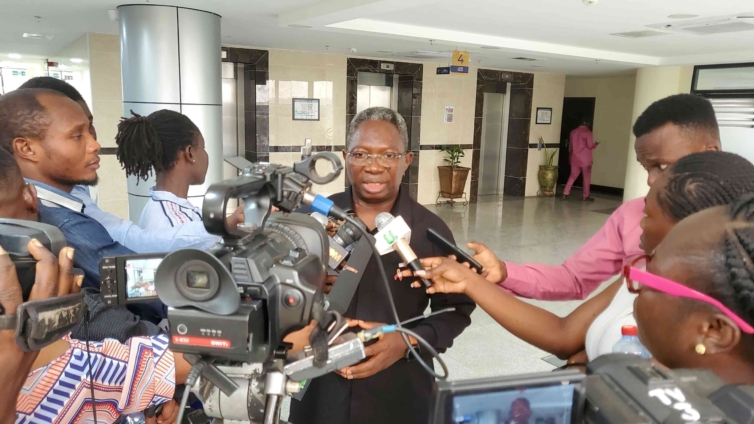
Dr Chris Opoku Fofie, Deputy Director in Charge of Reproductive and Child Health at Ghana Health Service, said the Survey would provide timely information to the authorities and develop comprehensive policies to address any anomalies in the report.
He said anaemia among pregnant women was the major concern because it could lead to increased maternal mortality and poor birth outcomes.
He called on the government to invest in health education for the public to be abreast with preventive measures.
Dr Kyeremeh Atuahene, Director-General of Ghana Aids Commission, urged the government to create an enabling legal policy to address the HIV/AIDS menace.
The Survey is the 7th report conducted in the country since 1988, designed to provide data for monitoring the population and health situation in the country.
The Survey was conducted by the GSS with funding from USAID, UNICEF, UNFPA, the World Bank, the Global Fund, KOICA, the World Health Organisation, and the Foreign, Commonwealth, and Development Office.
A nationally representative sample of 15,014 women aged 15–49 in 17,933 households and 7,044 men aged 15–49 in half of the selected households were interviewed.
The Survey represents a response rate of 98 per cent of women and 97 per cent of men.
Latest Stories
-
A source of excellence across generations – Vice President Opoku-Agyemang lauds Mfantsipim
40 minutes -
(Photos) Mfantsipim School launches historic 150th anniversary
1 hour -
Knights and Ladies of Marshall group backs Catholic Bishops’ stance on anti-LGBTQ+
2 hours -
Bright Simons writes: All the Filla in the Ibrahim Mahama/E&P – Gold Fields Saga
2 hours -
Monetise Idiocy In Ghana
3 hours -
The Ghanaian prophet and the mysterious death of his scottish wife Charmain Speirs
3 hours -
Nearly 400 sentenced in Nigeria for links to militant Islamists
4 hours -
Ghana’s recovery supported by gold strength despite global oil price pressures – Standard Bank Research
4 hours -
Methodist Church hails Mfantsipim@150; calls for “fresh consecration” to excellence
4 hours -
‘Excellence is our inheritance’ – Nana Sam Brew-Butler hails Mfantsipim’s 150-year reign in leadership
4 hours -
Kwaku Azar writes: A-G vs OSP
4 hours -
Mfantsipim–Adisadel rivalry built excellence, not division – Sam Jonah
5 hours -
Vice President launches Mfantsipim’s 150 years of shaping Ghana’s greatest mind
5 hours -
I assure Otumfuo, Mahama will join him to commission KNUST Teaching Hospital by end of this year – Haruna Iddrisu
6 hours -
Barcelona dominate derby to extend La Liga lead
6 hours