

Audio By Carbonatix
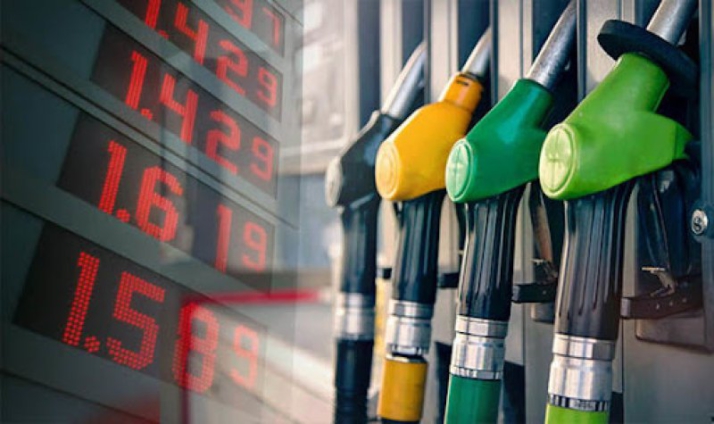
Petrol and diesel prices could hit over ¢8 per litre before mid-2022 if the price of crude oil and the depreciation of the cedi to the dollar maintain their traction on the foreign and local market respectively, the Institute for Energy Security has revealed.
Crude oil is presently hovering around $89 per barrel, whilst the cedi is trading at ¢6.52 against the US dollar.
In a statement, the energy think tank said questioned the credibility of the Price Stabilization and Recovery Levy (PSRL), saying the tax has proven to be unrealistic strategy for bringing down domestic fuel prices
Government from the beginning of February 2022 reinstated the policy which is to cushion losses from petroleum revenue in times of drastic reduction in the price of crude oil on the oil market.
But the IES said three months after the suspension of the levy, domestic fuel prices have risen by more than 9%, to reflect rising international oil and fuel prices, and the fall in value of the local currency.
“The strategy deployed in November 2021 and when average prices of petrol and diesel hit ¢6.52 per litre, was in direct response to mounting pressure on government by Ghanaians, to halt the frequent upward fuel price adjustments.”
“Three months after the suspension of the levy, domestic fuel prices have risen by more than 9% to reflect rising international oil and fuel prices, and fall in value of the local currency. Referenced to today’s Petrol price of ¢7.45 per litre as offered by Total Petroleum and Shell (Vivo), the commodity’s price has moved up by roughly 14%since the PSRL was suspended in November 2021”, he added.
Furthermore, the IES said “but for some political interventions in mid-December 2021, the price of Petrol and Diesel would have crossed the ¢7 per litre mark before the end of year 2021. That desperate move resulted in Ghana Oil Company (GOIL) threatening to pull out of the Association of Oil Marketing (AOMC), after the latter allegedly accused the former of bowing to government’s pressure to reduce its prices, in contravention with of the petroleum downstream deregulated regime’s practices.”
It called for a more sustainable and pragmatic response to the exposures from international oil prices and the foreign exchange market; one that goes beyond the PSRL, since it has become increasingly apparent that Petrol and Diesel prices will likely finish the first-half of the year at record highs.
It concluded saying “whereas the PSRL has proven unsustainable in its present form and substance as validated by IES’ study, the National Petroleum Authority’s incompetent application of same to the realities of the Ghanaian fuel market is a worse cause for worry”
Latest Stories
-
Trump tells the UK and other countries ‘go get your own oil’ from Strait of Hormuz
14 minutes -
Black Stars and the Art of Sacking: When the Coach Must Always Go First
22 minutes -
Ghana to roll out digital maps under new land sector reforms
29 minutes -
Ghana not fully ready for World Cup – Sports Minister
34 minutes -
NPA steps up “Stay Back, Stay Safe” campaign in Eastern Region
36 minutes -
Ethical Dilemma in Banking: The Case of a Teller in the Cash Cage
51 minutes -
Emceeing is 20% talk, 80% event management – Kafui Dey
52 minutes -
Supreme Court sets April 21 to hear Wesley Girls’ religious rights case
57 minutes -
UniMAC-IF holds workshop on Vertical Revolution: Mastering micro-dramas for African digital economy
1 hour -
Pan-African Progressive Front hosts landmark online conference ahead of Geneva Forum
1 hour -
Civil society is not an adversary of gov’t, but partners in nation-building – Mahama
1 hour -
Defeamekpor calls for interdiction of Land Ministry’s director of finance
1 hour -
Atebubu Paramount Chief visits NPA boss to strengthen ties
1 hour -
TGMA Group of the Year nominees to be announced this week – Robert Klah
1 hour -
Ex-Effia MP writes: Big Push for infrastructure, Small Push for people
1 hour