


Audio By Carbonatix
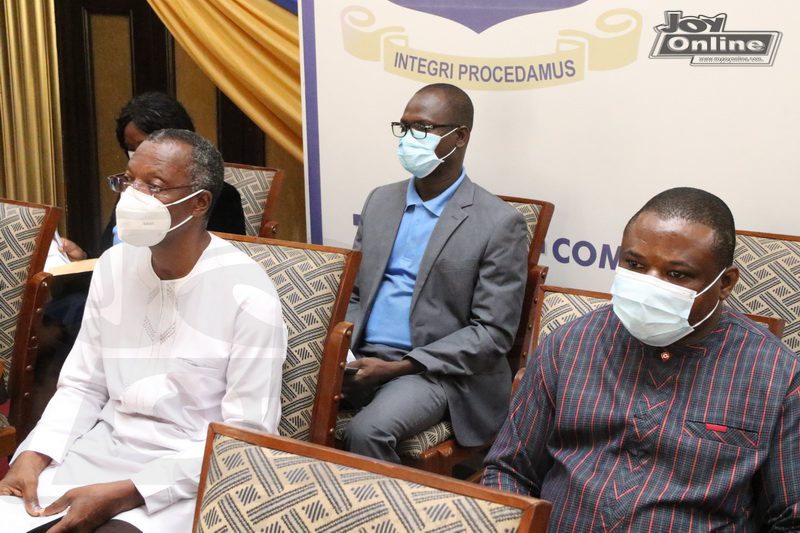
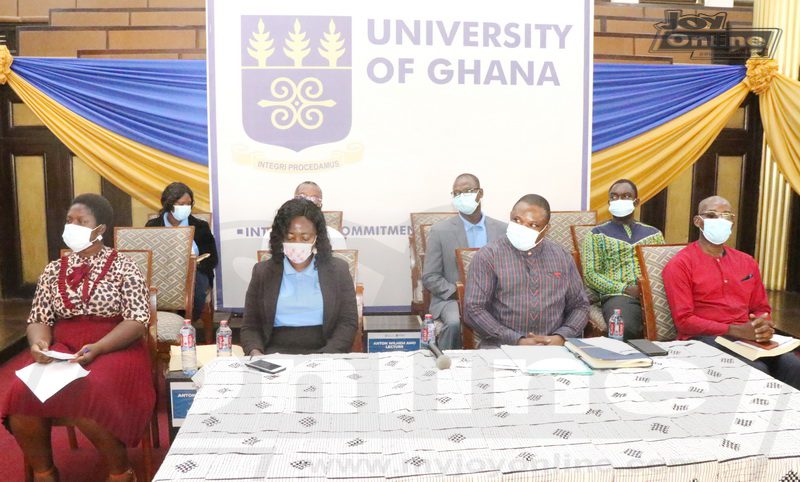
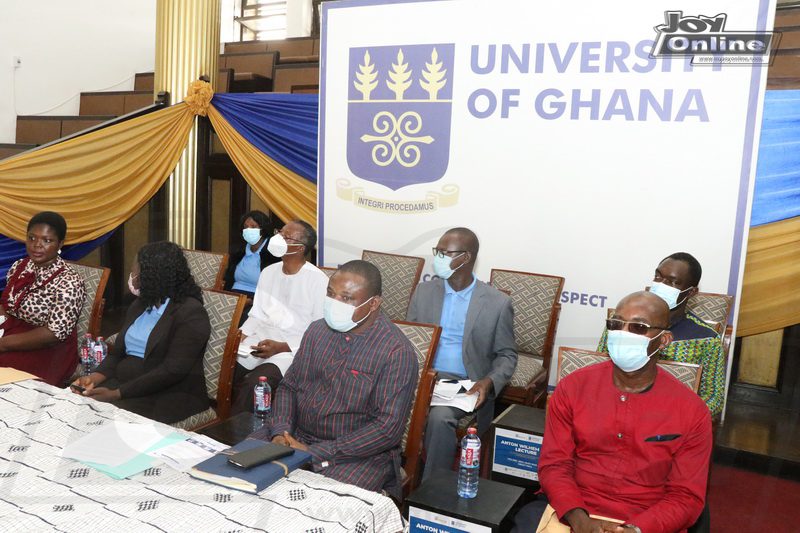
University of Ghana Laboratory Technologists and Technicians Association has been inaugurated at a ceremony in Accra.
The Association is aimed at contributing to building the capacities of the numerous laboratories in the country as well foster effective teaching, learning and research in the discipline.
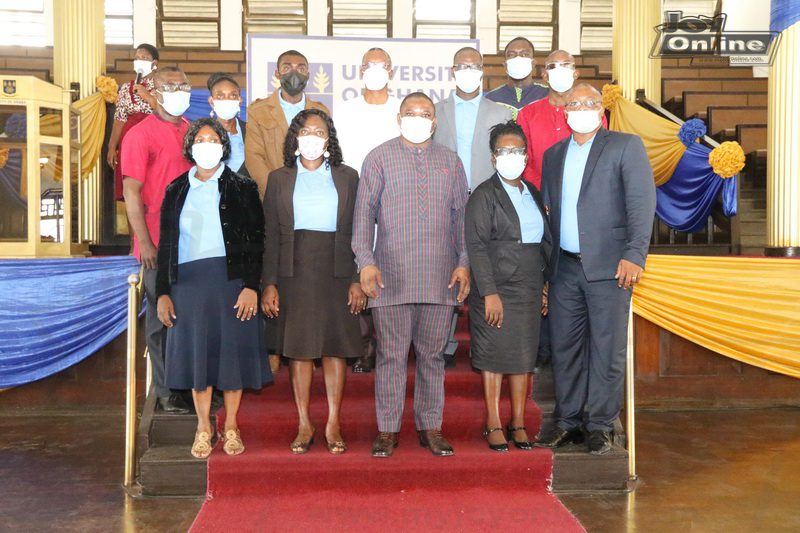
To achieve this noble objective, the leadership of the Association, since its establishment in 2019, has made efforts to help build the capacity of its members in the College of Health Sciences and College of Basic and Applied Sciences through workshops and seminars on laboratory quality management, ISO standards, the use and maintenance of various modern equipment, among others.
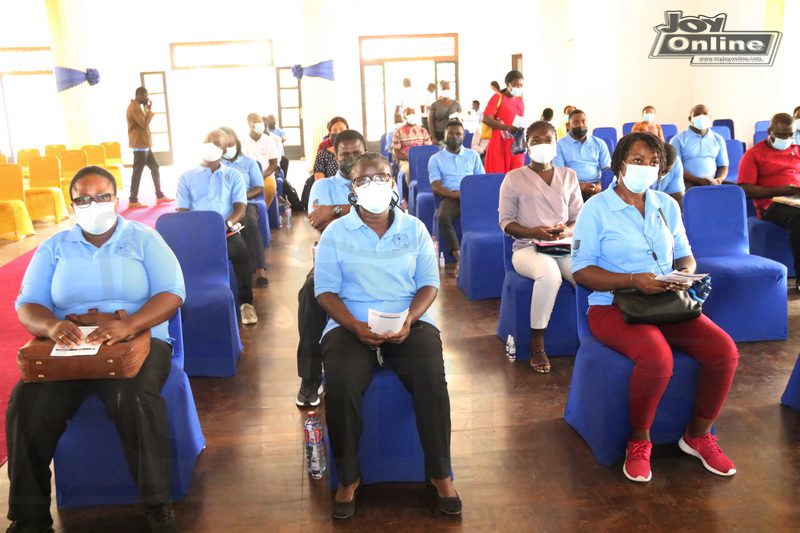
These trainings are the Association’s initial efforts towards strengthening the capacity of members in terms of providing laboratory services to the University and the public at large.
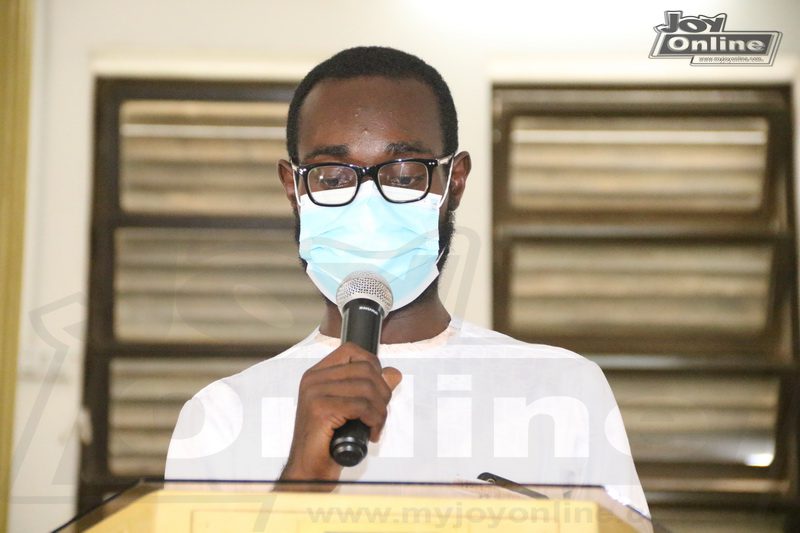
In her speech, the Chairperson of the Association, Mrs. Joyce Duah said it is an accepted fact that to progress and contribute significantly to the growth of institutions and nation as a whole, there is the need for collaboration among laboratorians of the departments within the University and beyond.
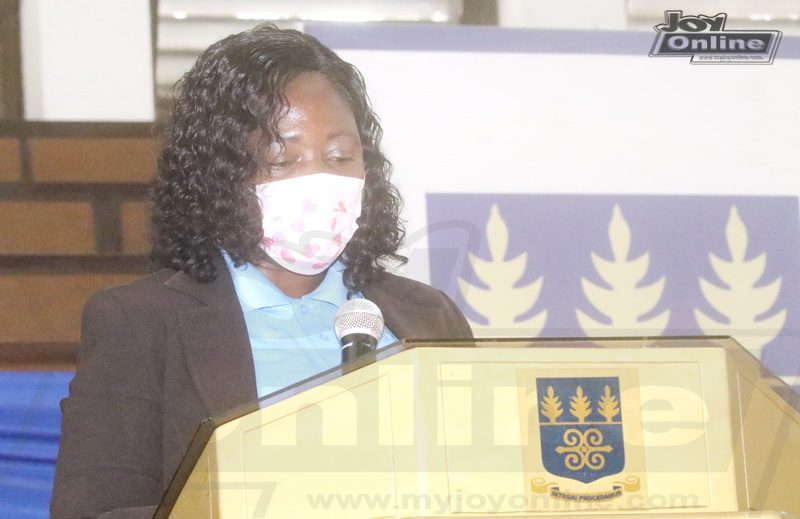
She said in today’s hi-tech world, coupled with the emergence of newer varieties of state-of-the-art equipment that become sophisticated by the day, a conscious effort should be made to train and upgrade this category of staff in the University to be abreast with best practices and to sharpen their skills and competencies.
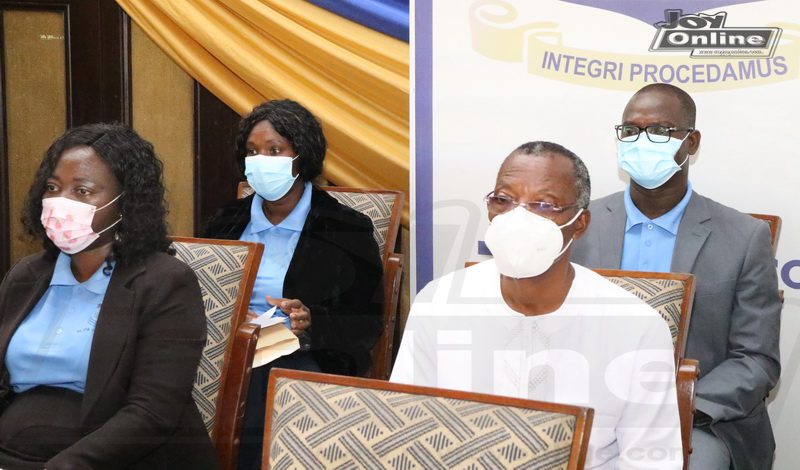
“It is therefore important for the University to make a paradigm shift in its current handling of the careers and terms of reference for its technical staff," Mrs. Joyce Duah stated.
Mrs. Duah stressed the need for members to be paid hazard allowance, which according to her is being pursued at the Fair Wages and Salaries Commission.
"We all know that there are some chemical, biological and physical sources of hazards that pose a wide range of health challenges for those who are exposed to these sources on a daily basis.
For instance, long-term exposure to chemical hazards such as silica dust (commonly used in desiccators found in every laboratory) has been shown to increase risk of heart disease, stroke and high blood pressure. Therefore, it is in order for personnel in the laboratory to be compensated for this risk.
We therefore urge management and the unions to work hard for government to accept to implement the excessive exposure to health hazard allowance," she noted.




Latest Stories
-
Church of Pentecost supports over 2,000 BECE candidates in Obuasi with career guidance seminar
9 minutes -
Brandon Asante and Coventry all but promoted to Premier League despite Sheffield Wednesday draw
31 minutes -
GPL 2025/26: Late Kwartemaa strike downs Hearts in Tema
37 minutes -
Ghana Faces Sierra Leone Moment as Prosecutorial Powers come under strain
47 minutes -
Don’t consume fish or seafood from Tema Shipyard until further notice – FDA warns
52 minutes -
Why volunteering might be Africa’s most underrated career accelerator
58 minutes -
ActionAid Ghana raises concern over gender gaps in Feed Ghana Programme
1 hour -
Windstorm wreaks havoc in Gushegu, displacing nearly 2,000 residents and damaging schools
1 hour -
Friends of Bridget Bonnie Marks her 35th birthday with donation to Kasseh Model Health Centre
2 hours -
From Ekumfi Kokodo to the Pulpit Stage: Essi Donkor’s gospel journey takes shape
2 hours -
Landfilling waste management creates no value, it’s an economic waste
2 hours -
Photos: Speaker Bagbin Commissions MPs constituency office under parliamentary decentralisation programme
3 hours -
Black Stars technical advisor Winfried Schäfer sacked as GFA shakes up backroom staff
3 hours -
Wenchi water project almost complete, critical to gov’t agenda – GWL MD
3 hours -
Anti-LGBTQ+ bill not part of government’s legislative agenda – Inusah Fuseini
3 hours