


Audio By Carbonatix
The 'Strong Together' project, a collaborative effort between Plan International Ghana and Safisa Ghana Limited, aims to address the pressing issues of open defecation, improper waste disposal, and environmental degradation in Ashaiman.
Speaking at Plan International Ghana's annual media training workshop, held in Ho David Selassie, project manager, revealed that the project focuses on three key areas: health, environment, and economic opportunities.
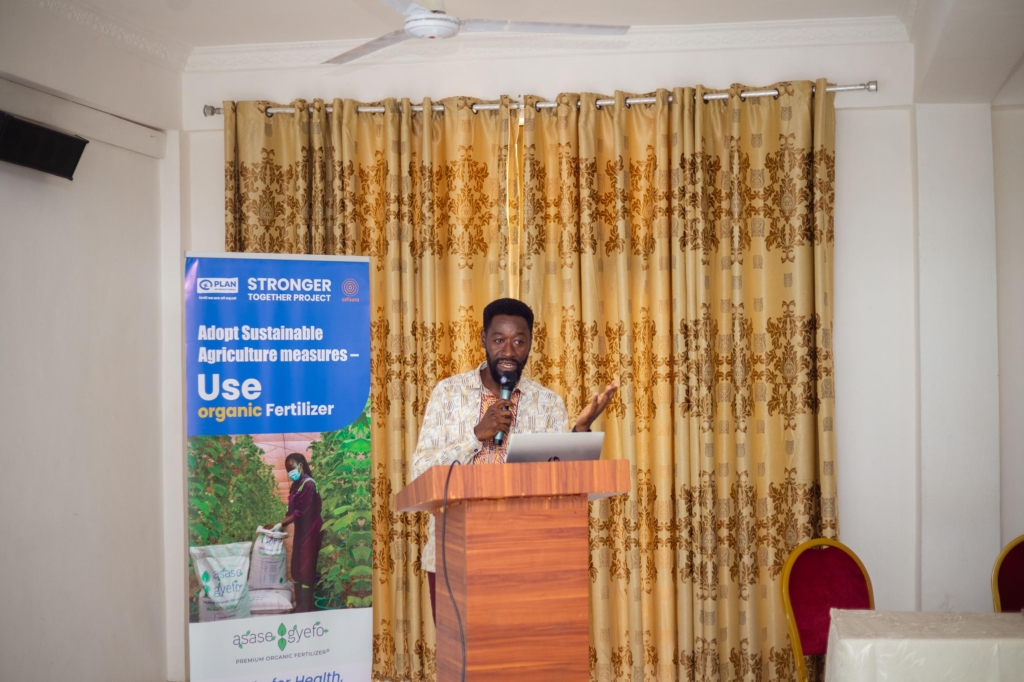
According to him, by leveraging Safisa Ghana Limited's expertise in waste processing, the project collects fiscal and organic waste from the Ashaiman community, converting it into biogas, electricity, and organic fertilizers.
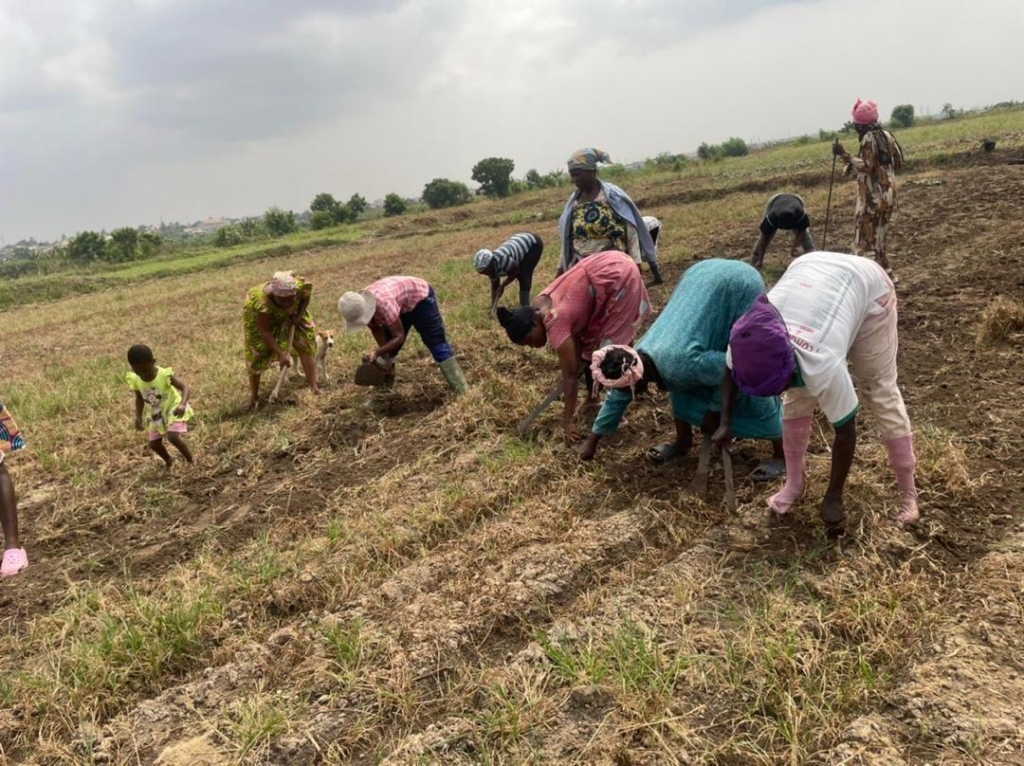
These organic fertilizers are then distributed to local farmers, promoting sustainable agriculture practices and providing economic benefits.
He continued that the project's impact extends beyond waste management, as it addresses the root causes of open defecation, air and water pollution, and inadequate waste management in the community.
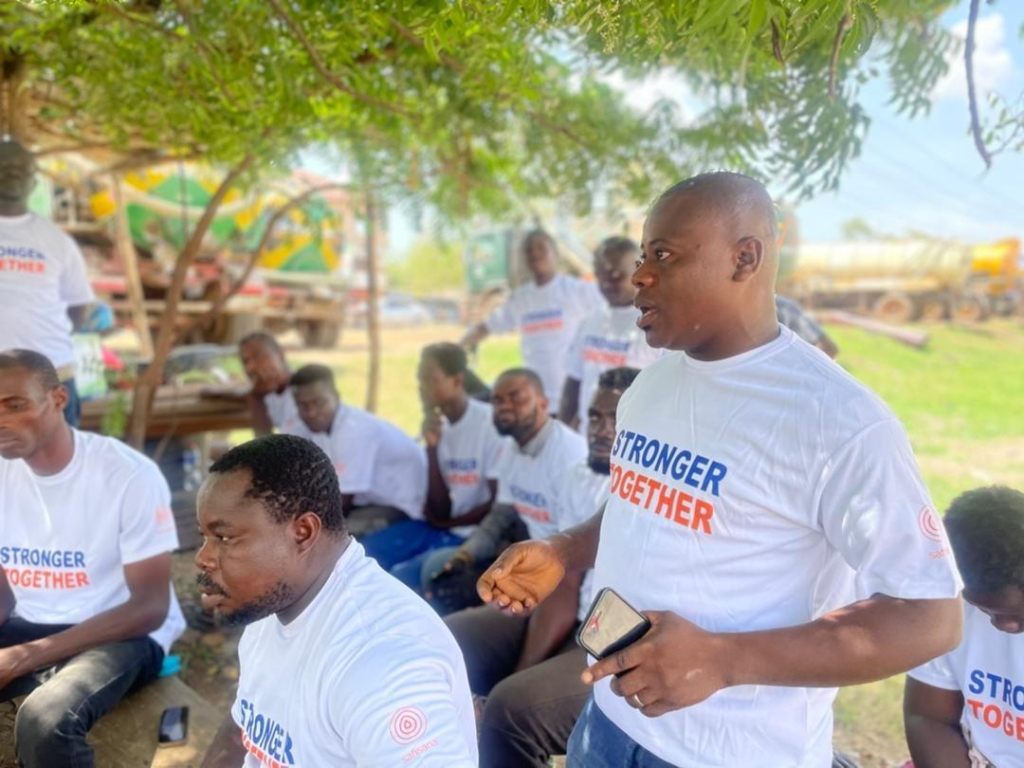
"As we are improving the health of the people by collecting waste and transforming it, we are reducing the challenges and the problems that will come out of the problems that we have when it comes to waste management and the health implications. Also, we are improving the environment as well,"
"Some of them didn't know how to manage their toilet facilities. The market women didn't know how to liaise with the Assembly in terms of waste collection and managing them. Even the Assembly people always say this is one of the excellent projects they have engaged with", he expanded.
He also highlighted that to ensure the project's success, the team engages with stakeholders, including the Ministry of Agriculture and the Ministry of Environment. They also train young people as Sanitation Ambassadors, empowering them to promote proper hygiene practices and waste management within their communities.
He further stated that the project's entrepreneurship component provides green skills training for young women and girls, equipping them with economic opportunities.
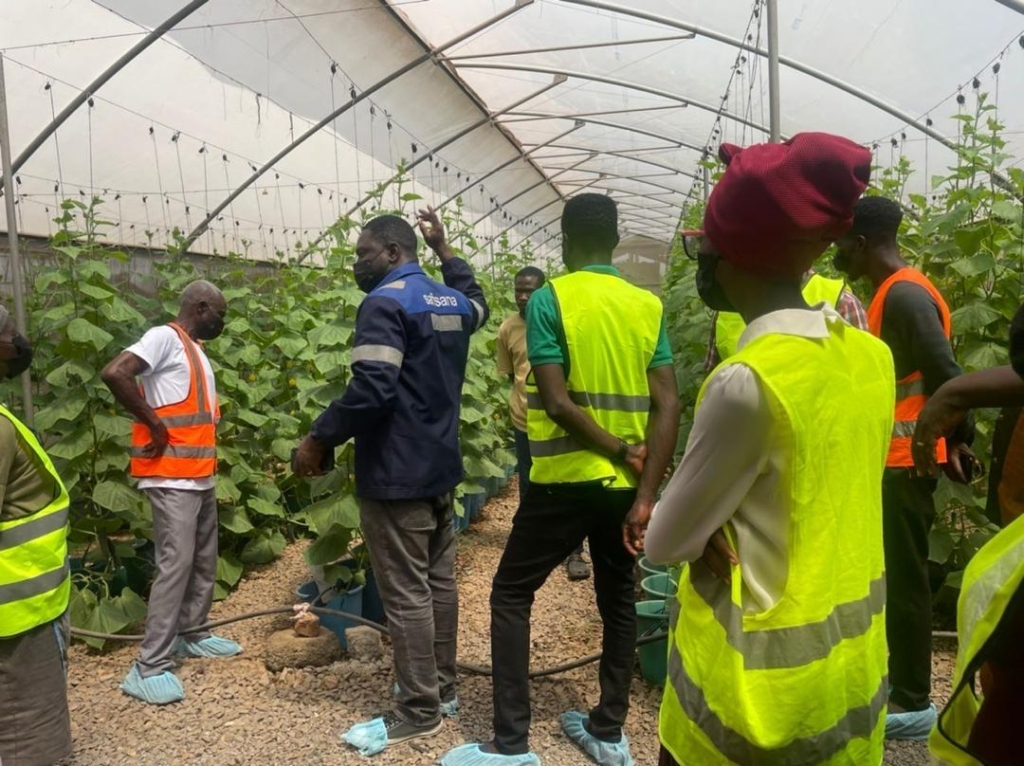
Demo plots have also been established to showcase the benefits of organic fertilizers, and farmers receive equipment and training to manage their toilet facilities effectively.
With plans to scale up the project, the team calls on stakeholders to support their efforts in extending the impact beyond Ashaiman.
"Globally, around 500 million people struggle with improper waste management, and 1.5 billion are affected by open defecation. We aim to make a significant difference and look forward to declaring Ashaiman 'Open Defecation Free' soon," he concluded.
Latest Stories
-
Landfilling waste management creates no value, it’s an economic waste
8 minutes -
Photos: Speaker Bagbin Commissions MPs constituency office under parliamentary decentralisation programme
24 minutes -
Black Stars technical advisor Winfried Schäfer sacked as GFA shakes up backroom staff
29 minutes -
Wenchi water project almost complete, critical to gov’t agenda – GWL MD
45 minutes -
Anti-LGBTQ+ bill not part of government’s legislative agenda – Inusah Fuseini
47 minutes -
Anti-LGBTQ Bill: Forget the rumour mongers, I’m a man of action, and will pass the bill – Speaker
2 hours -
Women and children among those killed in Sudanese army shelling of wedding celebration
2 hours -
President Mahama is not sincere with Ghanaians on LGBTQ bill matter – Hassan Tampuli
2 hours -
Gov’t to establish Prison Industrial Hub to equip inmates with income-generating skills – Prison Service boss
2 hours -
Alhassan Tampuli donates cement, roofing sheets to support storm victims in Gushegu
2 hours -
Alhassan Tampuli appeals for urgent support for storm victims in Gushegu
2 hours -
The hypocrisy must stop; pass Anti-LGBTQ+ Bill now – Alhassan Tampuli to Mahama
2 hours -
Imprisonment should be rehabilitative, not punitive – Ghana Prisons boss at UNGA
3 hours -
Ga Adangbe traditional priests petition Mahama over McDan aviation licence revocation
3 hours -
Anti-LGBTQ Bill: NDC’s arrogance is worrying – Hassan Tampuli
3 hours