

Audio By Carbonatix
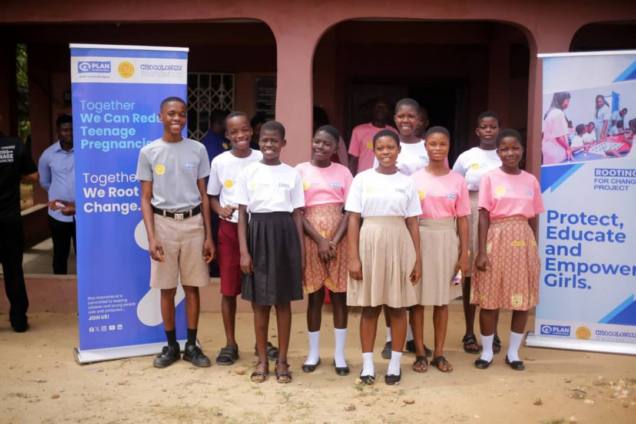
In the cocoa-growing community of Jato in the Volta region, a quiet but measurable transformation is underway — one driven not by rhetoric, but by results. Where vulnerability once interrupted girls’ education and narrowed their life choices, a new culture of confidence, informed decision-making, and ambition is taking root.
At the heart of this shift is Plan International Ghana, whose innovative, community-centred initiatives are restoring hope and opportunity to adolescent girls — and redefining what is possible for an entire generation.
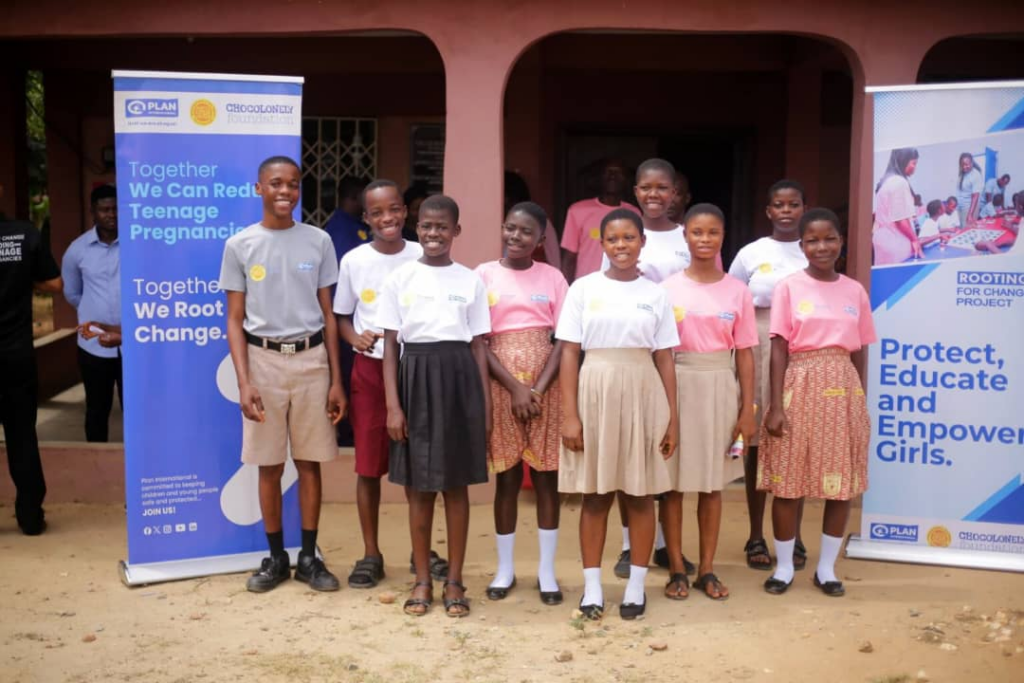
For years, economic hardship, limited access to sexual and reproductive health information, and entrenched social norms placed many girls at risk of early pregnancy and school dropout. Aspirations were often negotiated against survival. The consequences extended beyond individual families, affecting school retention rates, local productivity, and long-term community development.
But change began when structured interventions met local realities.
Through comprehensive sexual and reproductive health education, peer mentorship programmes, community dialogues, and youth empowerment platforms, Plan International Ghana equipped girls with knowledge — and with knowledge came agency.
The organisation’s approach did not isolate girls; it brought parents, teachers, boys, and community leaders into the conversation, breaking long-standing silences around adolescent health and rights.
The impact has been both immediate and symbolic.
During the 2025 Basic Education Certificate Examination (BECE) period, Jato recorded zero teenage pregnancies — a milestone that speaks not only to prevention, but to protection, planning, and purpose. For many families, it marked the first time daughters could approach national examinations without the shadow of interruption.
Yet the deeper story lies beyond statistics.
Girls who once felt pressured into risky situations are now articulating career ambitions — aspiring to become nurses, teachers, entrepreneurs, and community leaders. They are speaking confidently in forums, participating in decision-making discussions, and mentoring younger peers. What began as protective programming has evolved into leadership development.
Community dynamics are shifting as well. Parents are more engaged. Teachers are better equipped. Boys are increasingly involved in conversations about respect and responsibility. Jato is no longer responding to crisis; it is building resilience.
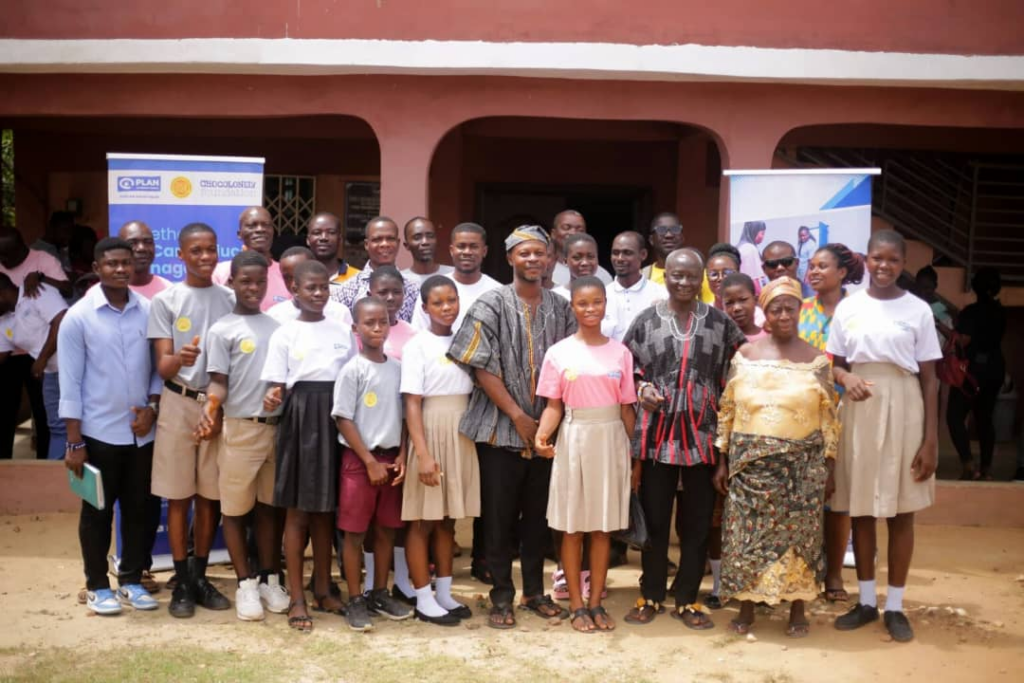
This transformation aligns closely with the global vision of the United Nations’ Sustainable Development Goals, particularly Goal 4 (Quality Education), Goal 5 (Gender Equality), and Goal 10 (Reduced Inequalities). But in Jato, these goals are not abstract policy commitments — they are visible in classrooms, homes, and community gatherings.
Plan International Ghana’s innovative model demonstrates a critical development truth: sustainable progress for girls requires integrated solutions. Information alone is insufficient. Protection without empowerment is incomplete. Real change occurs when education, community engagement, and leadership opportunities intersect.
The relief and smiles now visible on the faces of girls in Jato are not simply emotional responses; they are indicators of restored possibility.
Development experts consistently affirm that educating and empowerigirlsls' produces multiplier effects,ts reducing poverty, improving health outcomes, strengthening local economies, and enhancing civic participation. Jato offers living proof. When girls remain in school, communitistabiliseize. When girls are heard, societies evolve.
What is unfolding in this rural enclave is more thanlocalisedzed success story. It is a replicable model for districts grappling with similar challenges across Ghana’s coastal and agricultural belts.
The message from Jato is unequivocal: Invest in girls, engage the community, protect ambition and watch transformation follow.
Through deliberate strategy and sustained commitment, Plan International Ghana has not merely delivered intervention — it has ignited leadership.
Latest Stories
-
Who’s Emelia Affi Agbenyo, the 43-year-old newly sworn-in Deputy EC Chair?
11 minutes -
Haruna Iddrisu calls for limits on annual university accommodation fee increases
47 minutes -
Today’s front pages: Tuesday, October 13, 2026
2 hours -
Wealth Over Water: How Galamsey Is Threatening Ghana’s Water Security
2 hours -
LA 2028: Black Queens pumped up for second leg of Mauritius tie
2 hours -
LA 2028: Black Queens hold final training session ahead of second leg against Mauritius
3 hours -
Standards are not Seasonal: What the EC appointments teach both sides
3 hours -
King Mohammed VI urges private sector to create youth jobs and spread benefits of growth
3 hours -
KGL U17 Colts 2026: Greater Accra win title after penalties win over Western Region
3 hours -
UK Investment Roadshow opens in London to advance UK-Ghana growth partnership
3 hours -
Assemblies of God requires pastors to resign before entering partisan politics – Rev. Wengam
3 hours -
Ghana targets 20% annual reduction in maternal deaths – Health Minister
4 hours -
Cyber attacks in Africa grow faster than global rate, report finds
4 hours -
Ghana signs UAE deal to create 5,000 overseas jobs
4 hours -
One Million Coders Programme targets 100,000 digital jobs in two years – Sam George
4 hours