

Audio By Carbonatix
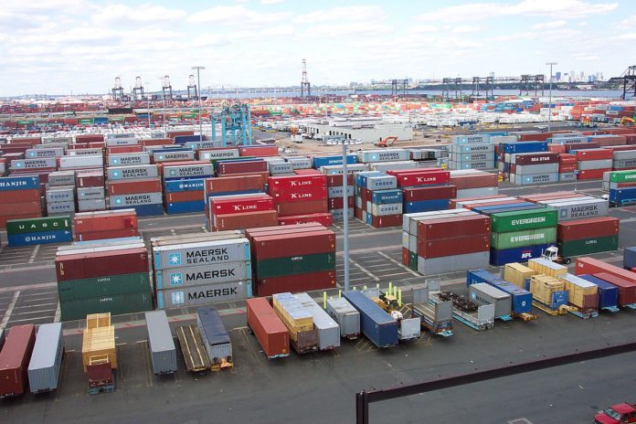
The President of the Ghana Union of Traders Association (GUTA) is blaming the halt in traffic at the ports on the expensive nature of doing business.
Dr Joseph Obeng said currently, the cost of doing business is extremely expensive, which is frustrating for entrepreneurs because, as compared to their fellow colleagues in neighbouring countries, they [traders] are losing out rather than making a profit.
He, therefore, stated that due to this, most businesses are conducting business and buying goods through the ports of neighbouring countries such as Togo.
“The business that we do, we do not do it in isolation. We are doing it in competition with the neighbouring countries. With the continental free trade area. We are completely irrelevant and we are out of it because the cost of doing business is extremely, very high.
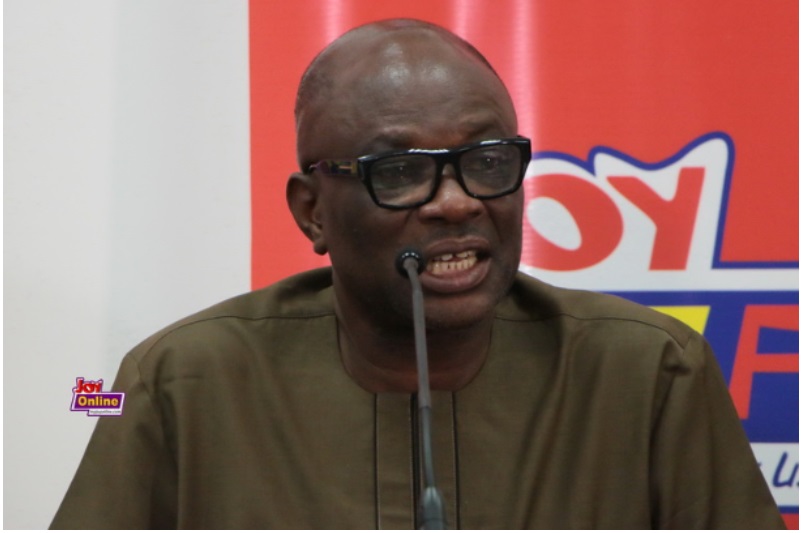
“Even among the cross-border trading activities that we do along the West Africa sub-region, we are also losing out. Even to Togo. That's why you hear so many people going to Togo to buy goods every now and then."
Dr Obeng further added that the inflation that was being experienced in Ghana was also attributable to the decline in traffic at the ports.
He explained that since the burden inflicted on both the trading community and consumers by inflation is excessive, it made the consumer unable to purchase products in the quantity that they used to do prior to inflation.
The effect of this on the trader, he highlighted, was that they also found it difficult to service their loans, which also affected their business.
“Trading thrives on turnover. And that if your turnover is curtailed because the consuming public’s purchasing power has been lessened because of the inflation that we have, are unable to buy the volumes that they used to buy, it means that we [the traders] are unable to service our loans because your turnover is curtailed,” he explained.
Additionally, he pointed out the disadvantages associated with the excessive taxation that was imposed on services at the port.
He stated that since some people would want to evade the taxes, they either smuggle their goods or avoid the mainstream ports and channel their goods through other areas.
Latest Stories
-
Hawa Koomson pledges experienced and mature leadership of NPP women’s wing
32 minutes -
Young woman found dead at Kasoa Peace Town
1 hour -
Playback: The Law examined lawful arrest in Ghana
1 hour -
Mahama urges African governments to treat healthcare as an investment, not budget cost
2 hours -
Bawumia congratulates John Boadu and new NPP executives, pledges support ahead of 2028
2 hours -
‘No talent should be left out’ – Bawumia pledges inclusive NPP campaign for 2028
2 hours -
Prof. Mike Oquaye recounts how he blocked the Special Prosecutor’s attempt to arrest Bawku Central MP
2 hours -
Make health sovereignty a priority for Africa – Mahama
3 hours -
Dorimon Naa, Wa West DCE lead massive clean-up exercise; threaten sanctions against recalcitrant residents
3 hours -
Photos from Adom FM Y2K Jam
3 hours -
Praye Tiatia steals the show at Adom FM Y2K Jam [Watch]
3 hours -
Boakye Agyarko congratulates John Boadu, pledges support for NPP leadership
3 hours -
Antwi HiMight thrills fans with Antwi ne Antwi hits at Adom FM’s Y2K Jam [Video]
4 hours -
Amb. Edward Boateng congratulates Boadu, Kodua on election wins
4 hours -
John Boadu pledges to rebuild NPP from grassroots and restore ‘winning machinery’
4 hours