

Audio By Carbonatix
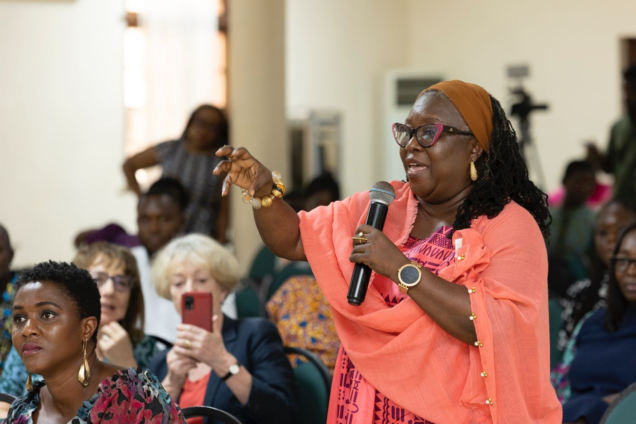
Communication expert Professor Audrey Gadzekpo has urged media houses to adopt deliberate strategies to amplify women's voices and expertise in their coverage, reportage, and programming.
Delivering the keynote address at the Ghana Women Experts in Media Conference in Accra, she stated that the underrepresentation of women remains a “global issue.”
She noted that Ghanaian media is often “complicit in gender-discriminatory practices, whether intentionally or unintentionally.”
Prof Gadzekpo highlighted how traditional media, despite the rise of digital platforms, continues to wield significant influence in shaping public opinion and policy.
She argued that neglecting women’s voices not only reinforces harmful stereotypes but also hinders broader participation in governance and leadership.
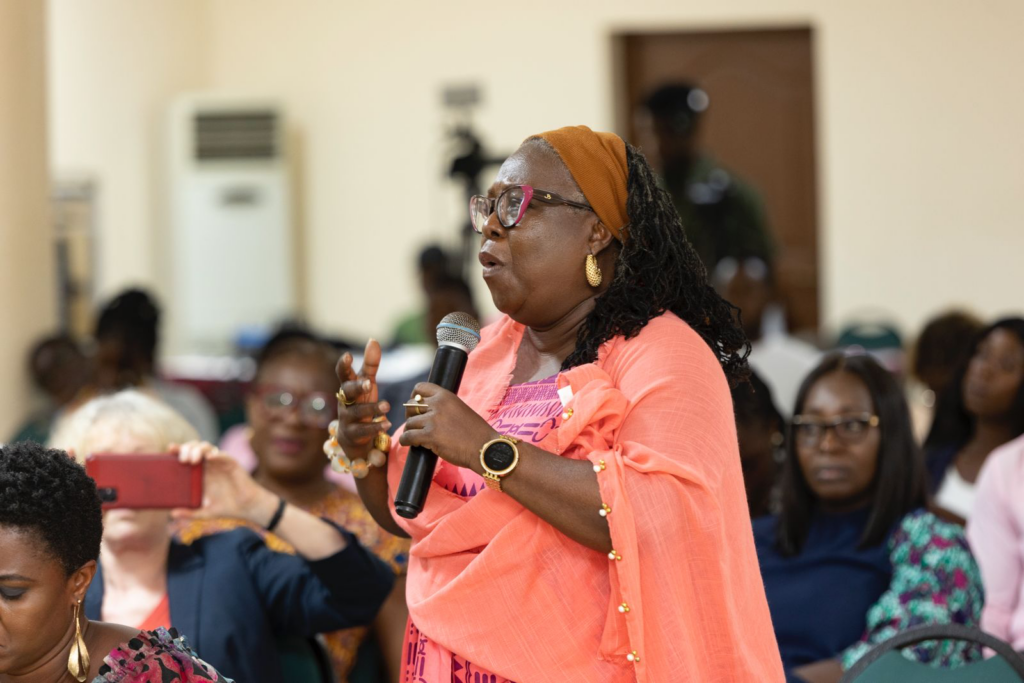
“Traditional media remains a cornerstone of public discourse and societal influence,” she stated.
The academic continued “Being featured as an expert in the media validates a woman’s expertise and can open doors to further career opportunities.”
Citing recent data on Ghana’s media landscape, Professor Gadzekpo pointed out that while more women are entering the media industry, relatively few rise to top management positions.
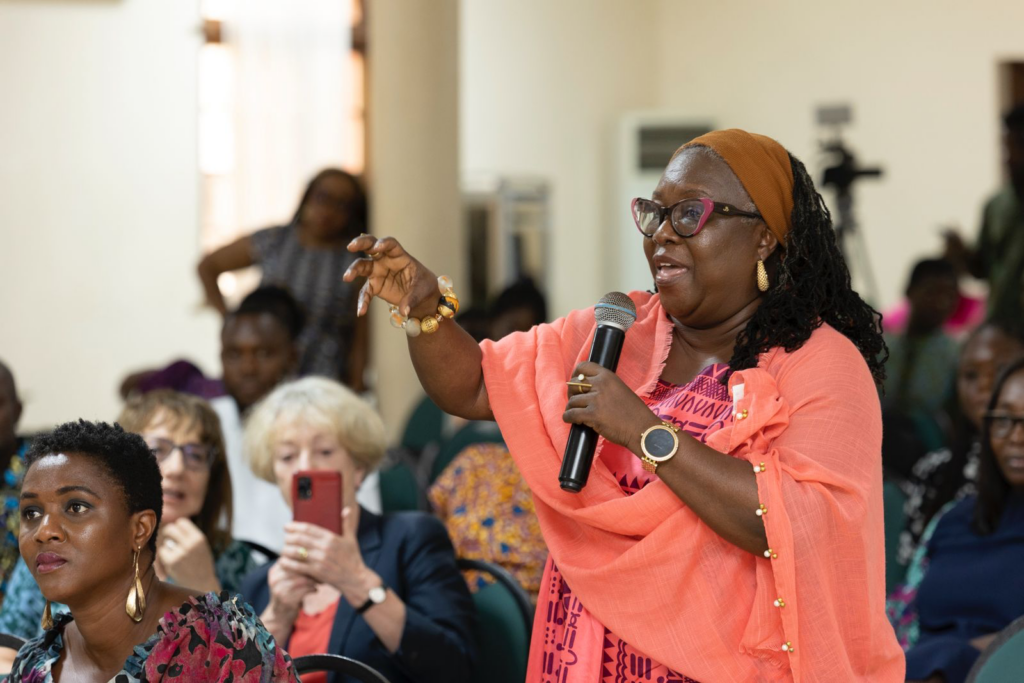
Referencing the Ghana Women Experts in Media Report 2024, she revealed that “less than 30% [of women] are in management roles,” with an even smaller percentage in senior leadership positions.
She stressed the need for proactive measures by media organisations: “It’s about ensuring women have access to multiple credible platforms for influence.
Research like the Ghana Women Experts [in Media Report] provides concrete data that can be used for advocacy purposes to drive systemic change.”
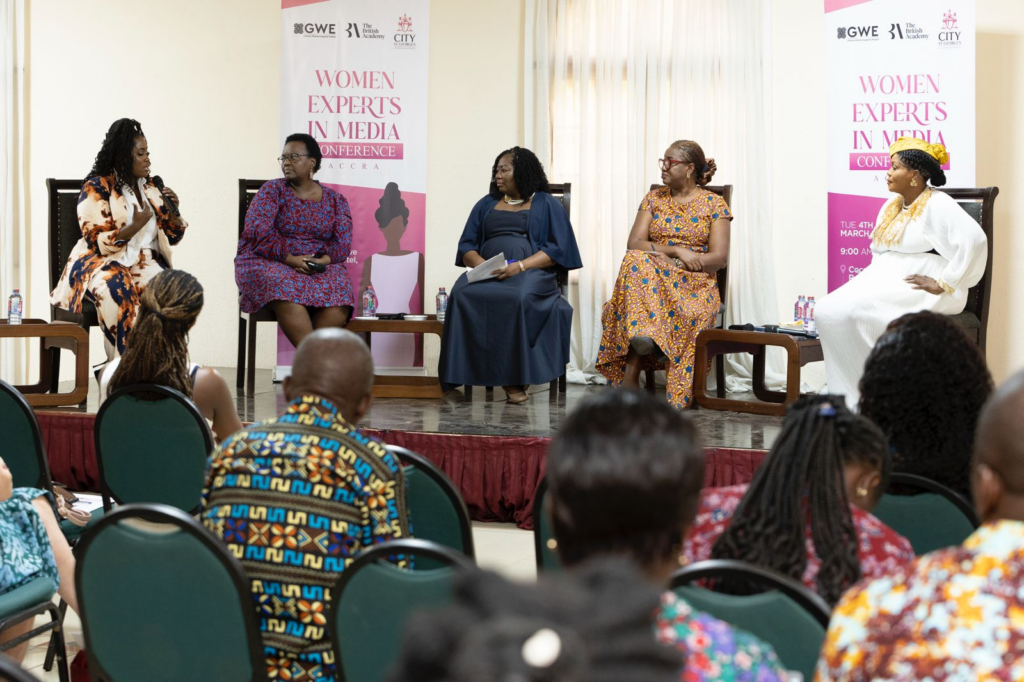
The report on women’s representation in Ghana’s media found that only 14% of experts interviewed in 2024 were women, with some media houses recording as low as 3% female expert representation.
It also revealed that women make up just 24% of presenters, while male presenters continue to receive significantly more airtime than their female counterparts.
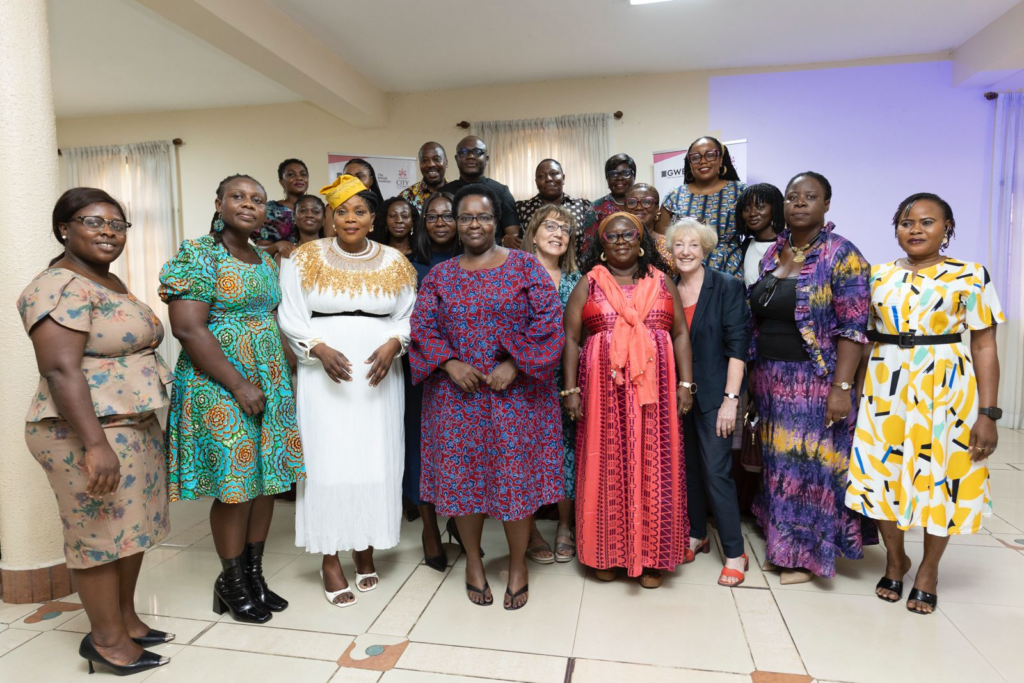
The report was compiled by the Ghana Women Experts project with support from the British Academy and City, University of London.
Latest Stories
-
(Photos) Mfantsipim School launches historic 150th anniversary
15 minutes -
Knights and Ladies of Marshall group backs Catholic Bishops’ stance on anti-LGBTQ+
1 hour -
Bright Simons writes: All the Filla in the Ibrahim Mahama/E&P – Gold Fields Saga
2 hours -
Monetise Idiocy In Ghana
2 hours -
The Ghanaian prophet and the mysterious death of his scottish wife Charmain Speirs
2 hours -
Nearly 400 sentenced in Nigeria for links to militant Islamists
3 hours -
Ghana’s recovery supported by gold strength despite global oil price pressures – Standard Bank Research
3 hours -
Methodist Church hails Mfantsipim@150; calls for “fresh consecration” to excellence
3 hours -
‘Excellence is our inheritance’ – Nana Sam Brew-Butler hails Mfantsipim’s 150-year reign in leadership
3 hours -
Kwaku Azar writes: A-G vs OSP
3 hours -
Mfantsipim–Adisadel rivalry built excellence, not division – Sam Jonah
4 hours -
Vice President launches Mfantsipim’s 150 years of shaping Ghana’s greatest mind
4 hours -
I assure Otumfuo, Mahama will join him to commission KNUST Teaching Hospital by end of this year – Haruna Iddrisu
5 hours -
Barcelona dominate derby to extend La Liga lead
5 hours -
Gov’t to roll out free special education for persons with disabilities from July 1 – Education Minister
5 hours