

Audio By Carbonatix
Experts are advocating for a just and sustainable transition in the strategies of public financial institutions.
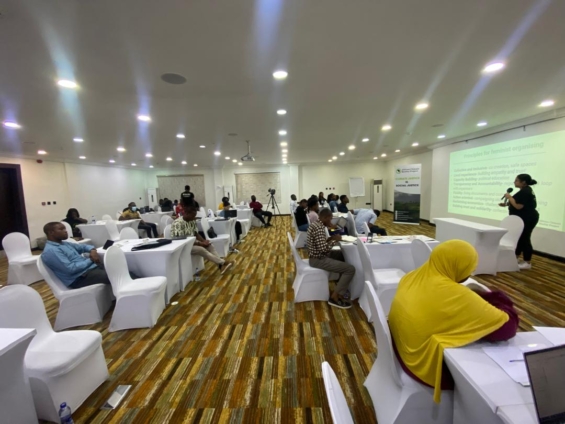
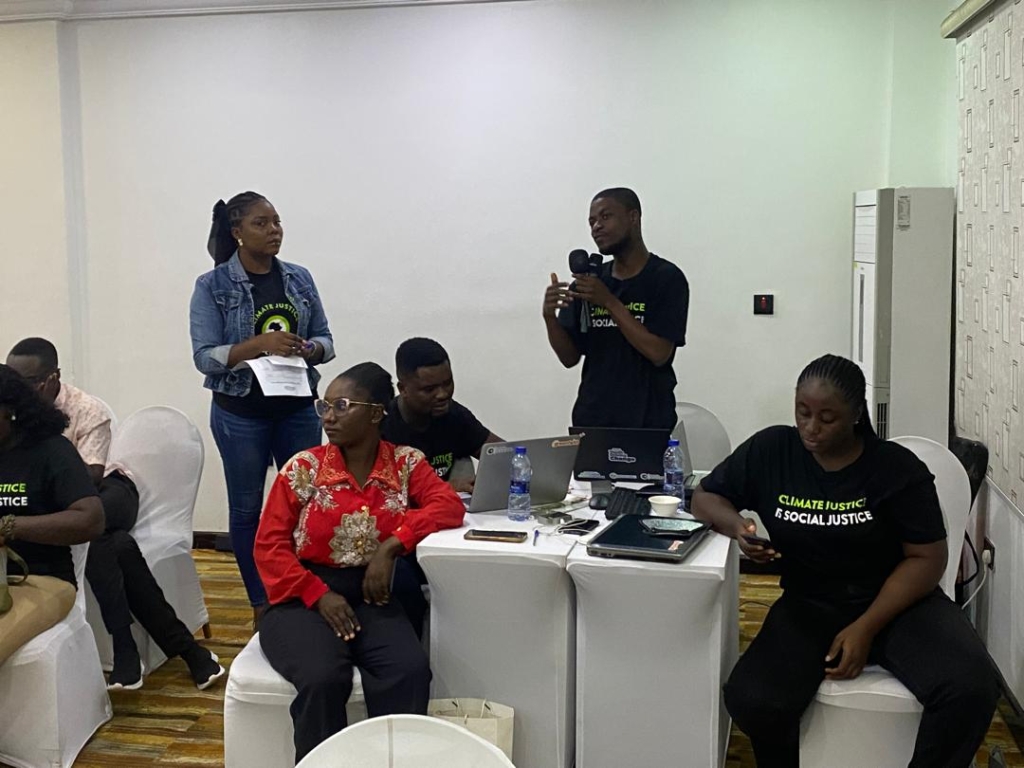
This was a key focus during the Fair Finance School on Tuesday, July 16, in Accra.
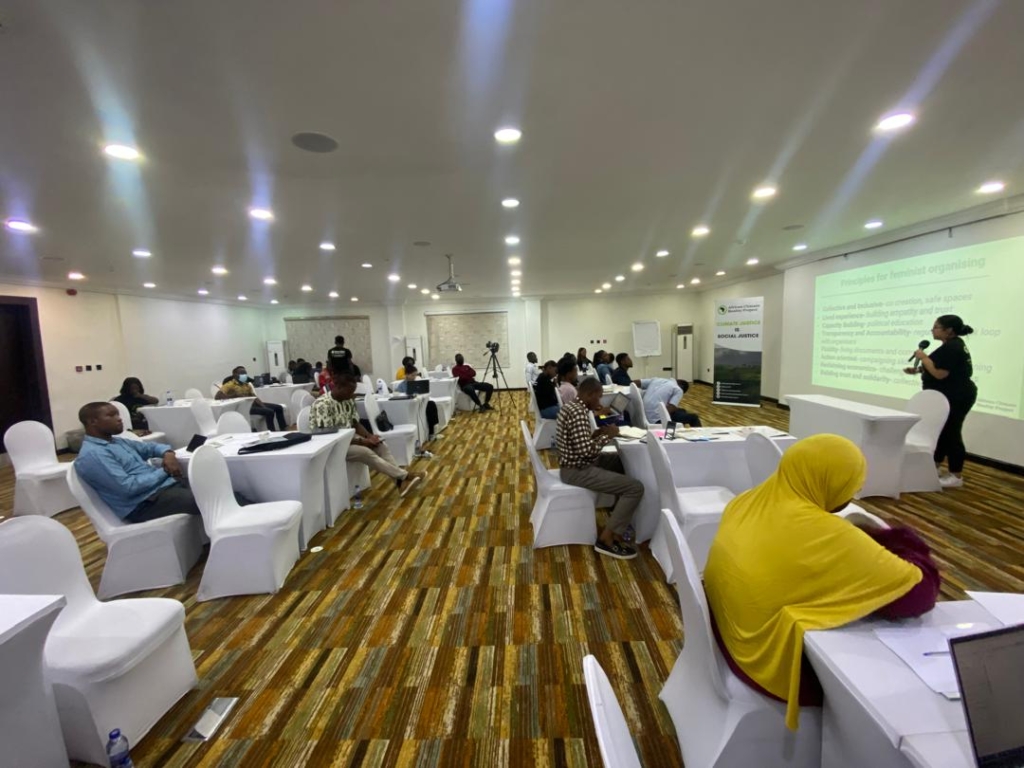
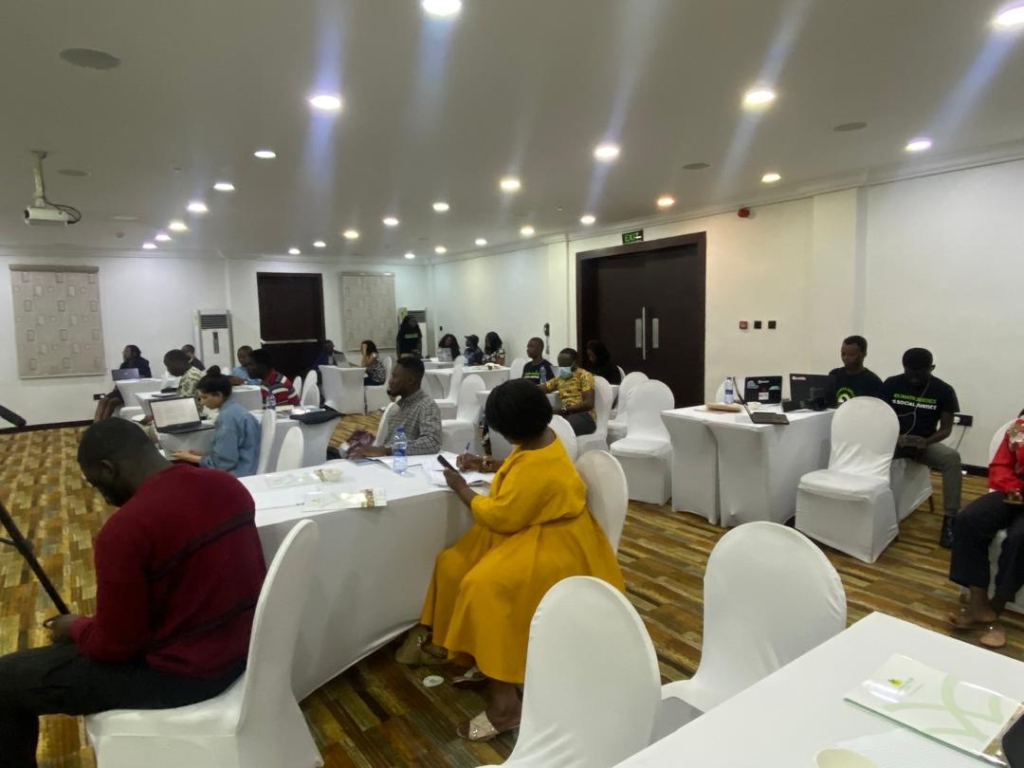
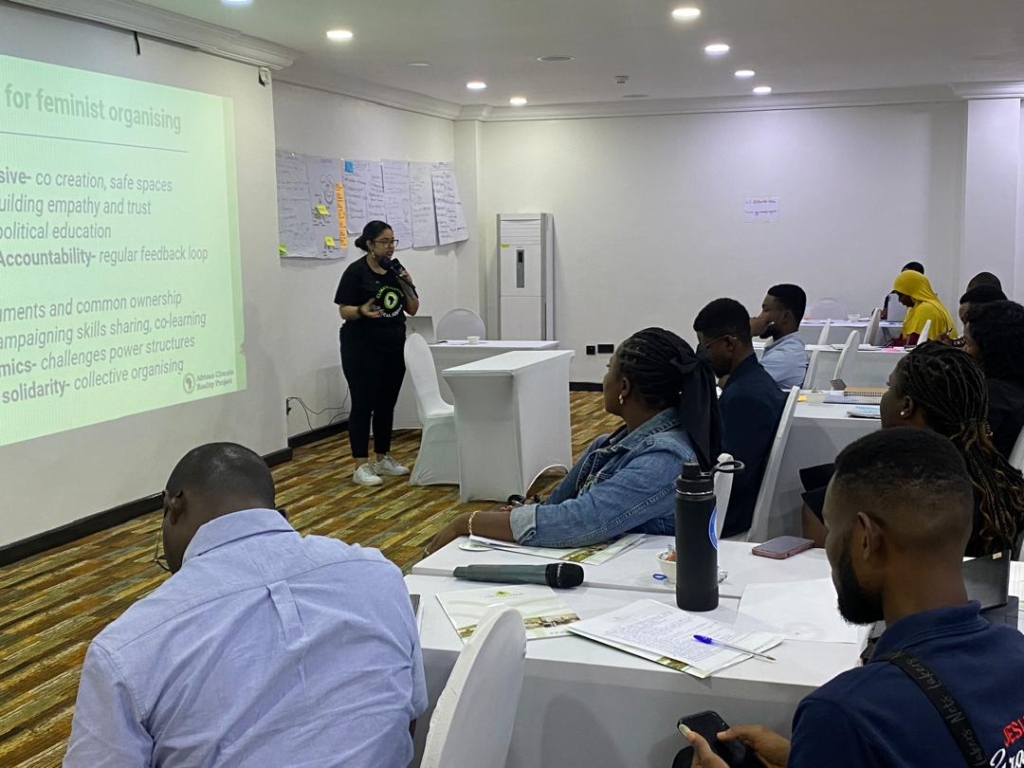
The two-day event, organised by the African Climate Reality Project, brought together activists and stakeholders to learn essential knowledge and skills needed to understand Development Finance Institutions (DFIs), their operations, and their pivotal role in financing developmental projects.
Speaking on the sidelines of the event, Zahra Omar from the Fair Finance Coalition of Southern Africa explained, “Usually, public finance institutions think that promoting economic development means that they need to finance certain kinds of industries.”

“What they don't see is that by financing, for example industries with high greenhouse gas emissions in a time of the global climate crisis, they are actually hindering economic growth in those countries. So what they need to do is advance sustainable development which means looking at the environmental and economic and social considerations of the financing,” she said.
Senior Campaign Manager at the African Climate Reality Project (ACRP), Courtney Morgan, emphasised the need for guidelines to shepherd public finance institutions' activities.
According to her, the ACRP advocates for transparency, equity, inclusion, accountability, and governance.
Madam Morgan also believes that development projects undertaken by public financial institutions should not commit human rights violations and should promote gender responsiveness.
For her, the creation of African-led solutions to the continent’s financing problems will promote a sustainable development agenda.
Executive Coordinator for the Strategic Youth Network for Development (SYND Ghana), Chibeze Ezekiel, lamented the fact that many multinational development banks have yet to fully embrace responsible financing in a just way.
As a measure, Mr Ezekiel urged activists to probe and understand the systems that are at play when it comes to these corporations to properly address the problem from within. This is one of the ways that the SYND head believes will help financiers better understand the real impact of irresponsible financing in their own terms.
He also called for collaboration, urging involvement in processes from the onset to have environmental issues reflected in policies.
Additionally, Ezekiel Chibeze advocated for feedback to banks to help them develop solutions that will improve the situation.
Latest Stories
-
I assure Otumfuo, Mahama will join him to commission KNUST Teaching Hospital by end of this year – Haruna Iddrisu
38 minutes -
Gov’t to roll out free special education for persons with disabilities from July 1 – Education Minister
60 minutes -
“We used it to test our officiating officials’ readiness” – Bawah Fuseini after CAA Athletics event
1 hour -
Volleyball emerges as Ghana’s fastest rising sport
2 hours -
National Sports Fund needs strong leadership from the top – Administrator David Wuaku
2 hours -
JoySports Exclusive: Steve McLaren in talks with GFA after expressing interest in Black Stars job
2 hours -
Fire guts auto parts warehouse at Bubuashie, one fire officer injured
2 hours -
I owe my victory to coach Ofori Asare – Allotey after winning WBA Africa Gold Super Flyweight belt
2 hours -
Church of Pentecost supports over 2,000 BECE candidates in Obuasi with career guidance seminar
4 hours -
Brandon Asante and Coventry all but promoted to Premier League despite Sheffield Wednesday draw
4 hours -
GPL 2025/26: Late Kwartemaa strike downs Hearts in Tema
4 hours -
Ghana Faces Sierra Leone Moment as Prosecutorial Powers come under strain
4 hours -
Don’t consume fish or seafood from Tema Shipyard until further notice – FDA warns
4 hours -
Why volunteering might be Africa’s most underrated career accelerator
5 hours -
ActionAid Ghana raises concern over gender gaps in Feed Ghana Programme
5 hours