

Audio By Carbonatix
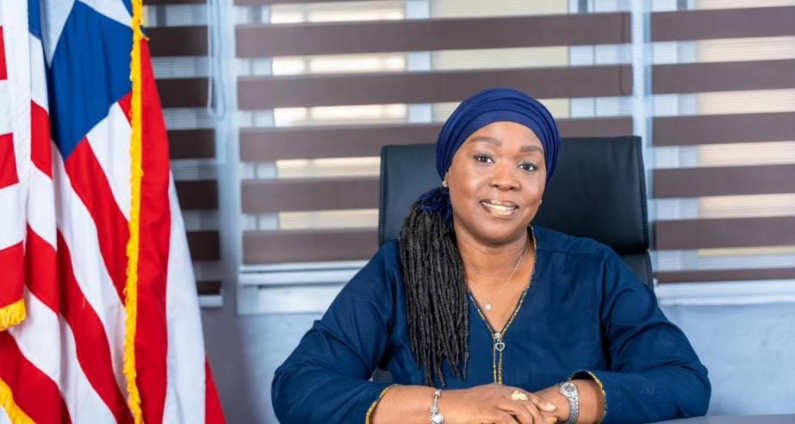
Liberia’s Minister of Foreign Affairs, Sara Beysolow Nyanti, has called on African women to challenge the entrenched systems that continue to sideline them from leadership and decision-making roles.
Speaking at the graduation ceremony of the maiden cohort of the African Women in Global Leadership Programme (AWGLP), an initiative by the African Leaders Institute of Global Affairs (AFLIGA), Madam Nyanti said women have for decades played transformative roles in Africa’s development journey, yet their contributions remain undervalued and their presence in top leadership positions is limited.
“Leadership demands courage, compassion and conviction to challenge barriers, to question systems that have excluded women for far too long and to create pathways where others may follow,” she declared.
The five-week intensive training programme, launched earlier this year, brought together emerging women leaders from across the continent.
It sought to equip young African female professionals with the knowledge, skills, and global networks needed to thrive in governance, diplomacy, and international development spaces.
The initiative by AFLIGA is part of a broader effort to close Africa’s leadership gap by empowering women and youth to drive sustainable transformation.
Similar leadership institutes across the continent have recently emphasised the need to bridge gender disparities in decision-making, an issue that continues to feature prominently in regional governance discussions.
Delivering a passionate address, Dr Charity Binka, Chairperson of the African Women’s Network (Ghana Chapter), urged graduates to break through cultural and institutional barriers that have historically confined women to the sidelines.
“When I was younger, women were expected just to be seen and not to be heard. We were supposed to be quiet, to stay behind, to be led by others, but I refused to be silenced,” she recounted.
“I spoke when it was risky. I worked hard when it was necessary. And I stood alone when I found myself lonely in the media.”
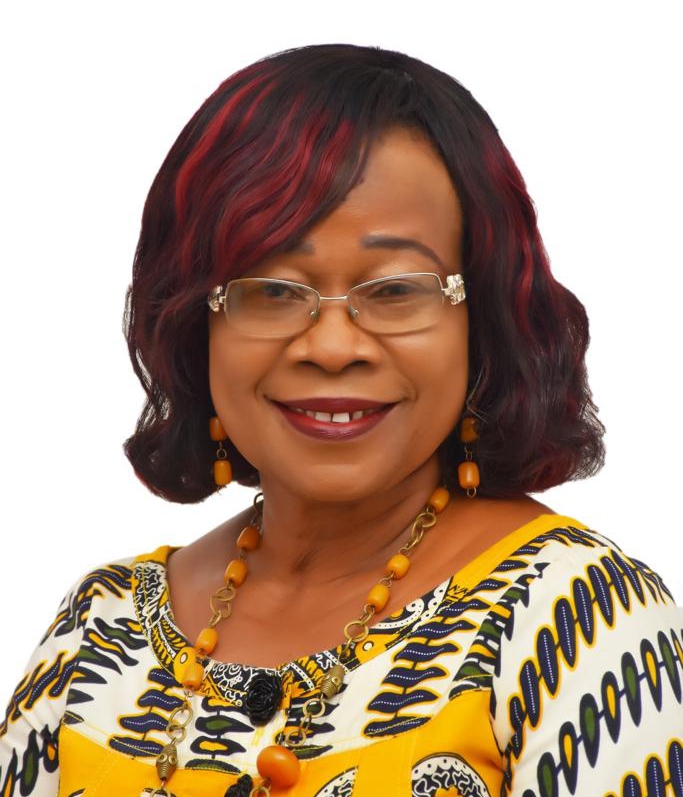
Dr Binka attributed her success to sheer persistence and a lifelong commitment to personal growth.
“My secret weapon has been determination. I made sure I seized every opportunity to add value to myself,” she added.
She commended AFLIGA for initiating a programme that emphasises ethical, compassionate, and transformative leadership, qualities she said are vital for Africa’s renewal.
“Be audacious in your ambition,” she challenged the graduates. “When you face a challenge, see it as a process to be navigated, and never lose sight of the profound prospects your leadership holds for our beloved continent.”
Dr Joseph Atta-Mensah, Chairman of AFLIGA’s Governing Council, echoed similar sentiments, stressing that increasing women’s participation in governance is not merely a question of fairness, but a strategic necessity for effective and inclusive development.
“Women bring perspectives rooted in empathy, resilience, and collaboration, qualities that strengthen our institutions and societies,” he said.
He charged the graduates to serve as torchbearers of integrity, innovation, and inclusiveness in every sphere they occupy.
Representing the graduating cohort, Eva Tandoh described the five-week experience as a transformative journey.
“It has been a deep soul-searching experience,” she noted, pledging that the graduates would be unwavering advocates for women’s representation in decision-making.
“We do not seek inclusion as a favour, but as a necessity for sustainable progress,” she said firmly.
On his part, the Executive Director of AFLIGA, Dr Emmanuel Dei-Tumi, explained that the programme was designed to tackle the leadership deficit that continues to hamper Africa’s progress.
He revealed that the institute aims to train 54,000 young African leaders by 2030, equipping them with transformative leadership tools to drive growth across the continent.
“Africa’s future depends on leaders who are ethical, visionary, and equipped to serve with empathy and integrity. This programme is a deliberate step toward cultivating that calibre of leadership,” Dr Dei-Tumi stated.
AFLIGA, based in Accra, Ghana, has been recognised for its commitment to grooming a new generation of African leaders through practical mentorship, global exposure, and policy innovation. Its mission aligns with the African Union’s Agenda 2063, which envisions “an integrated, prosperous, and peaceful Africa, driven by its own citizens.”
The graduation ceremony, held in Accra, symbolised not just the end of a leadership journey, but the beginning of a continental movement—one that calls on African women to rise, lead, and rewrite the story of leadership in Africa.
Latest Stories
-
A source of excellence across generations – Vice President Opoku-Agyemang lauds Mfantsipim
6 minutes -
(Photos) Mfantsipim School launches historic 150th anniversary
29 minutes -
Knights and Ladies of Marshall group backs Catholic Bishops’ stance on anti-LGBTQ+
1 hour -
Bright Simons writes: All the Filla in the Ibrahim Mahama/E&P – Gold Fields Saga
2 hours -
Monetise Idiocy In Ghana
2 hours -
The Ghanaian prophet and the mysterious death of his scottish wife Charmain Speirs
3 hours -
Nearly 400 sentenced in Nigeria for links to militant Islamists
3 hours -
Ghana’s recovery supported by gold strength despite global oil price pressures – Standard Bank Research
3 hours -
Methodist Church hails Mfantsipim@150; calls for “fresh consecration” to excellence
3 hours -
‘Excellence is our inheritance’ – Nana Sam Brew-Butler hails Mfantsipim’s 150-year reign in leadership
4 hours -
Kwaku Azar writes: A-G vs OSP
4 hours -
Mfantsipim–Adisadel rivalry built excellence, not division – Sam Jonah
4 hours -
Vice President launches Mfantsipim’s 150 years of shaping Ghana’s greatest mind
4 hours -
I assure Otumfuo, Mahama will join him to commission KNUST Teaching Hospital by end of this year – Haruna Iddrisu
5 hours -
Barcelona dominate derby to extend La Liga lead
5 hours