

Audio By Carbonatix
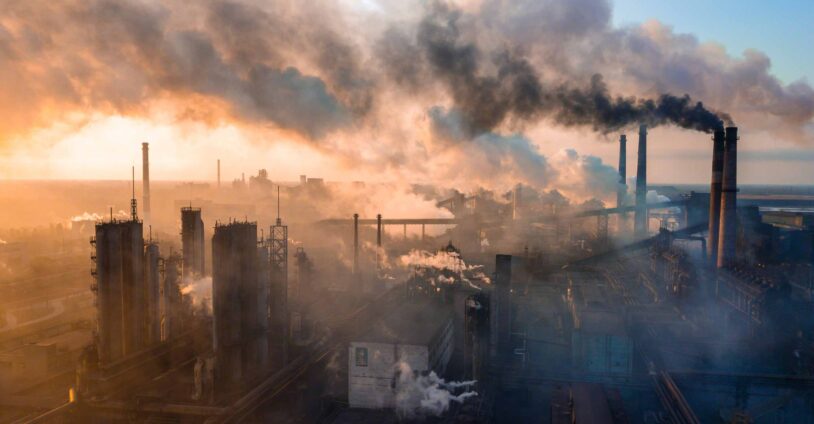
It was last year that world leaders met in Scotland to talk about climate change and what the superpowers could do to mitigate its effects on our environment. Today, the whole of Europe is going through a severe weather change, experiencing unprecedented dry weather after decades, according to reports.
In our Ghana, the used to be overly wet July almost dried up quicker on us. Those were the days when the months of June and July got pretty wet and one could plan with that in mind. This year, it seems like our July dried up quicker.
We had the rains and floods in June and it got our National Disaster Management Organisation (NADMO) moving, indeed pretty busy across the country.
Climate change
However, July and so far August are relatively rain-free. That is the unpredictable nature of the climate change that has dawned on us. We are however enjoying much cooler weather hoping that our fisher folks would have an improved fish season.
Though one is not sure of the implications of less rain on the planting season and therefore harvesting next year, the good thing again for us is that we have so far not suffered the extent of drought that is being reported in the United Kingdom (UK) for example.
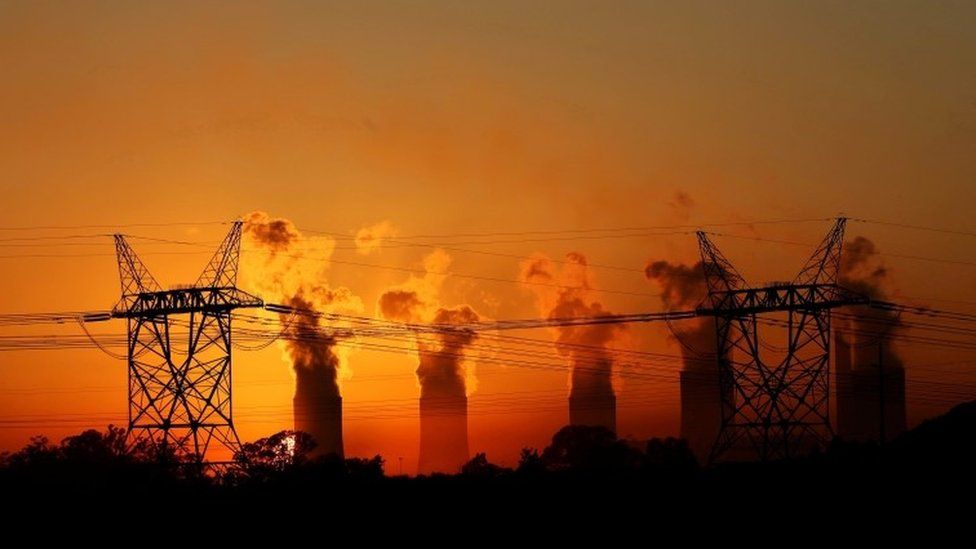
The UK, the host of last year’s World climate change gathering is at the receiving end of what seems to be an attack of climate change with a very hot dry summer.
Experts believe that this is the new normal weather change as the UK experiences its hottest July since 1976.
Drought
The weather has been so hot that there are fears of an impending drought in parts of the country. This has necessitated the country to be making advance preparations towards saving water where necessary.
Reports have it that there are measures being introduced for restrictions on water usage. At least three water companies in parts of England and Wales are on the brink of temporarily banning the use of hosepipes in the wake of the extremely hot weather while customers are being urged to “only use what they need for their essential use.”
Rivers, not only in the UK but also in other parts of Europe, are said to be drying up while water levels are reportedly falling drastically as the extremely hot weather continues.
Foreign television footages in some commercial farming areas in the UK show how farmers are losing out with alarming bells of impending food shortages with no moisture in the soil for food planting and growing.
Water
With the all-year-round hot humid weather we have in our sub-region and in our country, in particular, we may not have paid much attention in the past to dry weather conditions taking their toll on our sources of water supply generally. The time to refocus attention is now before we are taken unawares by climate change.
The UK’s impending restrictions on water usage including the ban on hosepipes bring one’s mind to the seeming careless use of water in our country, forgetting that water is a precious commodity that cannot be replaced.
Sadly, though we have the rivers and streams which other countries may not have, through the selfish acts of illegal miners, we have destroyed and continue to destroy our water sources.
Car wash stations have sprung up all over the country spouting away precious treated water. In any community, one can count a number of carwash stations competing for space.
It is heartbreaking to see unattended burst water pipes in communities with expensive treated water gushing out, sometimes running like a river. Report it to your nearest Ghana Water Company office and you would be told all the men have gone out and someone will attend to it later. That later can take hours, sometimes days.
It gets painful when in critical fire situations firemen cry foul when they are called to fire scenes and there is no water for their fire-fighting.
Yet, in our everyday plans, there are no clear thoughts as to the conservation of water, and neither is there any clear consciousness in our usage of the precious commodity called water;
Today, the certainty of climate change makes it imperative for national awareness and education on the need to conserve water. We have a fair amount of rainfall in the year but how many homes are built with rain collection mechanisms in place?
Ghana water should take up serious education on water conservation to educate consumers vis-à-vis the reality of climate change. The media can do the same.
Let us learn from what is happening with extremely hot weather conditions this summer in parts of the northern hemisphere and begin to preserve water, knowing that we are not an island cloistered from climate change. It is real and has come to stay.
Latest Stories
-
Russia launches largest attack on Ukraine energy infrastructure since spring
12 seconds -
GHABA launches first national Hair and Beauty Festival to promote skills and enterprise development
15 seconds -
ICU urges GHABA members to transform hairdressing skills into sustainable enterprises
14 minutes -
Ghana eyes stronger trade ties as Australia hosts multicultural trade and investment forum
23 minutes -
Margaret-Marie Krakue
26 minutes -
Ayariga announces plans for live broadcast of MMDAs’ meetings on local radio stations
29 minutes -
Mrs Anna Tackie
31 minutes -
Ghana links Afghan heroin and Brazilian cocaine to global drug markets – Global Organised Crime Index
38 minutes -
NHIA launches nationwide inter-school quiz to deepen students’ knowledge of NHIS
45 minutes -
Political protection could be masking Ghana’s cocaine trade – Global Organised Crime Index
50 minutes -
AFCON 2027Q: ‘We have to dissolve the GFA’ – Effia MP after Black Stars lose to Gambia
52 minutes -
NPP announces voting schedule and ID requirements for October 3 national elections
54 minutes -
Lupus can mimic HIV symptoms and damage kidneys if untreated – KNUST expert
57 minutes -
Focus on Sickle Cell Foundation seeks to introduce sickle cell education through comics in Ghanaian schools
1 hour -
NPP rewrites the campaign playbok as opposition reality shapes National Executive contest
1 hour