

Audio By Carbonatix
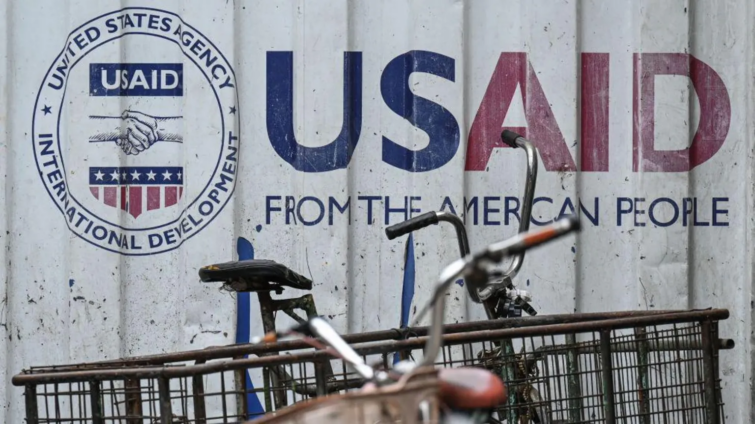
My perspective on U.S. Aid cessation globally, including its impact on the ‘Resetting Ghana Agenda’ of the new government, highlights some critical key issues that warrant discussion. Here are several points that encapsulate my views while addressing the complexities of foreign aid:
1. Dependency vs. Self-Sufficiency: Critics argue that U.S. Aid fosters dependency, hindering countries like Ghana from developing their own sustainable solutions. By shutting down aid, Ghana is forced to become more self-sufficient, encouraging local innovation and resilience in the face of challenges. This will challenge the citizens, private and public organisations to dig deep within to find sustainable and local solutions for development and growth. We have more capacity, competence, independent mindedness and capability than we have been allowed to exhibit as a nation and as citizens.
2. Cultural Influence: The view that U.S. Aid is a "Trojan horse" resonates with the concern that aid can allow negative influences to enter to impose negative foreign values and practices that may conflict with local cultures, undermining traditional practices and societal norms. This cultural intrusion can create tension and resentment towards foreign influence.
3. Political Interference: The perception that the U.S. uses aid as a tool for political leverage is prevalent. By influencing political decisions through financial support, it often prioritizes American interests over local needs. This manipulation can stifle genuine democratic processes and local governance.
4. Job Loss and Economic Impact: The cessation of aid may lead to immediate economic challenges, including job losses. However, it can also motivate the private sector and local entrepreneurs to fill the gaps left by aid, potentially fostering economic growth in the long run.
5. Empowerment and Agency: While the loss of aid may present challenges, it also provides an opportunity for countries to assert their independence and agency. Developing nations can focus on crafting policies that are truly reflective of their needs and aspirations without external pressures.
6. Redefining Progress: The idea that progress should be dictated by U.S. standards is contentious. Fostering local definitions of progress allows communities to work towards development goals that are more aligned with their realities and aspirations, ultimately leading to more sustainable outcomes.
7. Alternatives to Aid: To achieve true independence, nations may explore alternative funding sources, including investments from emerging economies or international partnerships that prioritize mutual benefits rather than unilateral dependencies.
In conclusion, while the withdrawal of U.S. Aid from Ghana may present difficulties, it also opens doors for self-reliance, empowerment, and a focus on authentic progress tailored to local needs.
The "god syndrome" associated with foreign aid further complicates the narrative, highlighting the need for a shift in mindset towards mutual respect and collaboration. The conversation surrounding foreign aid is complex and multi-dimensional, necessitating careful consideration of both positive impacts and detrimental influences.
Author, Bishop Dr Suzanne Nti can be reached via Email: bishopsuenti@gmail.com
Latest Stories
-
Meet us halfway – Trade Minister tasks private sector with AfCFTA success
2 hours -
After more than 14 years at Atletico Madrid, what next for Simeone?
2 hours -
Conquering the World – Building on the foundations laid by Otto Addo
2 hours -
[Watch Live] Kwaw Kese, Kwami Eugene, Tinny, Keche and others thrill fans at Gomoa Easter Carnival
3 hours -
Gomoa Easter Carnival: Experts charge indigenes to own festival to ensure sustainability
4 hours -
Gomoa Easter Carnival: Edem Agbana and Joy Prime fans shower festival with huge endorsements
5 hours -
Gathering of Royals 2026: Empowering women, boosting tomato production
6 hours -
Gov’t to overhaul free zones into manufacturing hubs for local production – Trade Minister
6 hours -
Ghana losing $2.5bn yearly from raw exports – Trade Minister reveals
6 hours -
Mahama unveils plans for Kwahu Airport, Convention Centre
6 hours -
World’s oldest leader, Paul Biya to get a deputy for first time in 43-year rule
6 hours -
Search for missing US airman continues as Trump threatens ‘hell’ if Iran does not reach deal
7 hours -
US says it has arrested relatives of late Iranian general Qasem Soleimani
7 hours -
La Liga: Real Madrid’s title hopes hang in the balance as Mallorca snatch stoppage-time winner
7 hours -
FA Cup: Haaland hat-trick powers Man City past Liverpool into semi-finals
7 hours