

Audio By Carbonatix
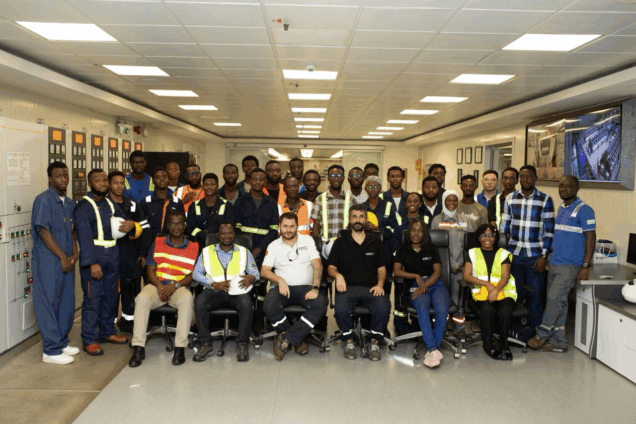
Final year electrical Engineering students from the Regional Maritime University (RMU) have toured Karpowership Ghana’s Powership stationed at the Sekondi Naval Base to gain practical insights into power generation operations.
The educational visit, which took place on Wednesday, October 29, formed part of the university’s hands-on training initiative designed to expose students to the real-world application of energy and marine engineering principles.

The tour aligns with Karpowership Ghana’s commitment to supporting science, technology, and engineering education in Ghana through learning and industry engagement.
Welcoming the students aboard, Sandra Amarquaye, Communications Manager of Karpowership Ghana, expressed the company’s excitement at hosting the future generation of engineers.
“We are always delighted to welcome young engineers aboard our Powership. At Karpowership Ghana, we believe that exposure to real-life energy systems strengthens classroom learning and inspires students to think innovatively about Ghana’s power future,” she said.

The students were taken through the vessel’s operations by Karpowership’s technical team, where they observed the conversion of natural gas into reliable electricity for the national grid.
Plant Manager, Acaralp Atahan İçli, highlighted the company’s safety and efficiency protocols during the tour.
“Our operations combine advanced technology with strict safety standards. It’s always a pleasure to share our processes with students eager to understand how power generation meets Ghana’s growing energy demand,” he noted.

Lecturer Morrison Vehe, who led the University’s team, commended Karpowership Ghana for opening its facilities to students and for its contribution to practical education.
“This visit allows our students to appreciate the complexities of power generation and maritime systems firsthand. It’s an invaluable addition to their academic experience,” he stated.
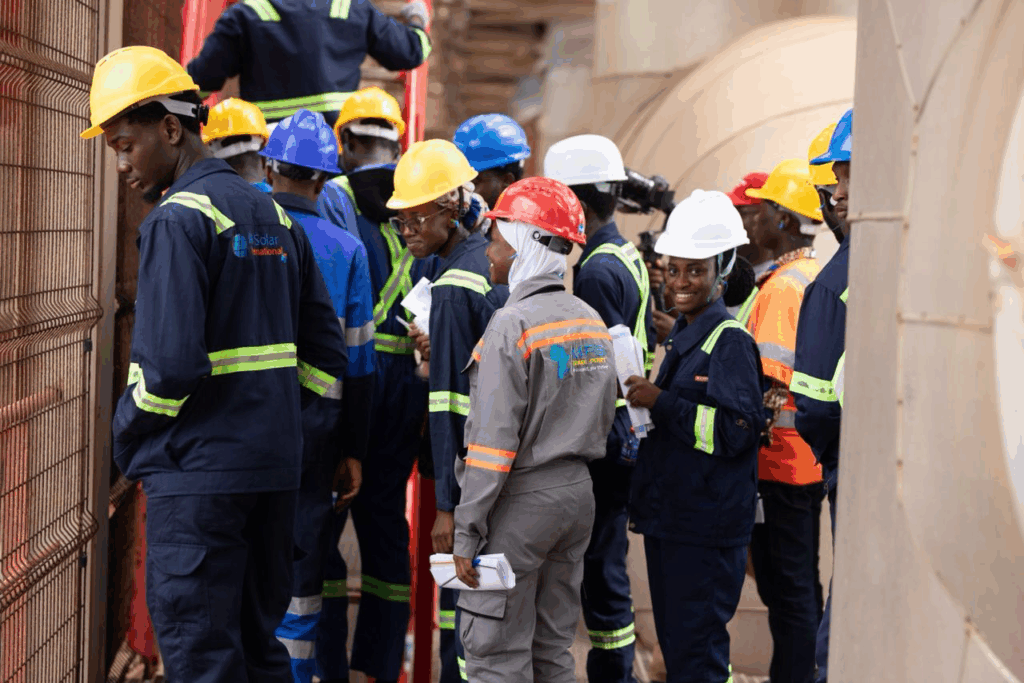
Sharing their impressions after the tour, Marcellina Akpakli, a final-year student, said, “Seeing the systems in action made everything we’ve been taught in class come alive. It’s inspiring to know such technology exists right here in Ghana.”
Another student, Alebiosu Al Amin, added, “The experience has broadened my understanding of how electrical engineering applies in large-scale energy production. It’s truly motivating.”
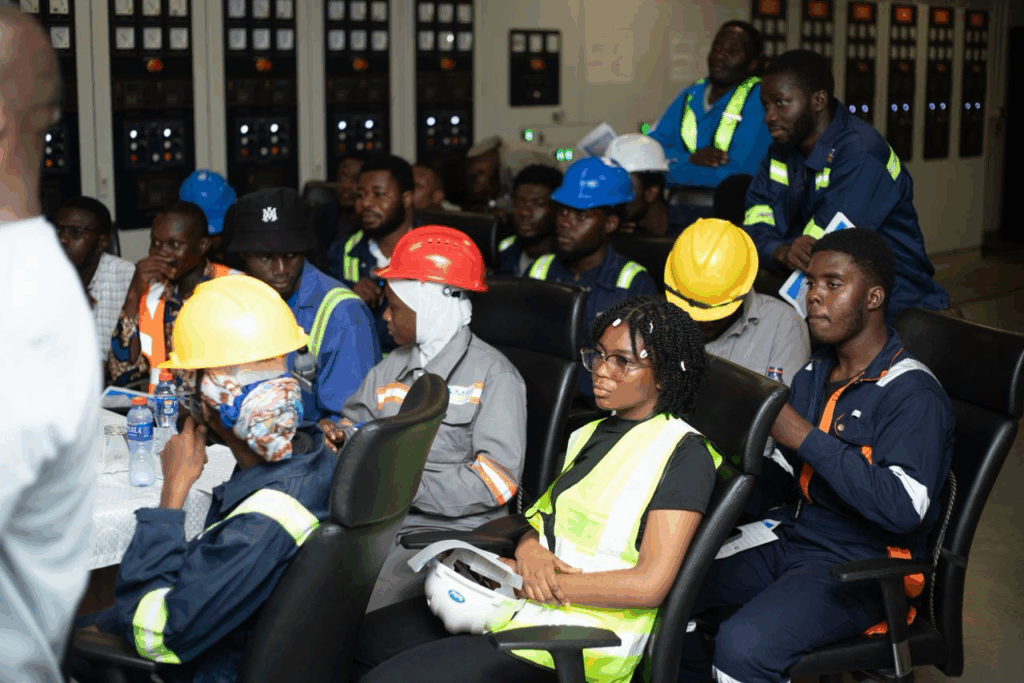
The visit underscores the importance of industry-academic collaboration in nurturing the next generation of skilled professionals who will drive Ghana’s energy sector.
Latest Stories
-
Ghana must value skilled trades, build resilient learners — Ibn Chambas
7 minutes -
Ghana must rethink education around relevance, resilience and responsibility — Ibn Chambas
10 minutes -
Prince Harry faces defamation lawsuit from charity he co-founded
12 minutes -
South Korea deploys thermal cameras to track escaped zoo wolf
14 minutes -
Calls for royal meeting with Epstein survivors grow ahead of US visit
17 minutes -
Ibn Chambas advocates blend of technology and human values in education
19 minutes -
UMA improves healthcare access in Asutifi North with GH₵700k ‘Kim Taylor Legacy’ Walkway
24 minutes -
Scholarships Authority and Fanaka University offer sponsorship for procurement and supply chain studies
27 minutes -
Bisa Kdei drops new single ‘Go N Look’ featuring Medikal
33 minutes -
Benin facing rising terrorism in north as French military presence faces growing criticism
34 minutes -
UEW Public Lecture Series 2026: Education debate ‘about the soul of Ghana’s future’ — Dr Ibn Chambas
35 minutes -
EU fingerprint and photo travel rules come into force from today
1 hour -
Anti-LGBTQ+ Bill: Ghanaians demand expedited passage, not dialogue – Ntim Fordjour to Mahama
1 hour -
EU airline industry warns of fuel shortages if Strait of Hormuz stays closed
1 hour -
White House staff told not to place bets on prediction markets
1 hour