

Audio By Carbonatix
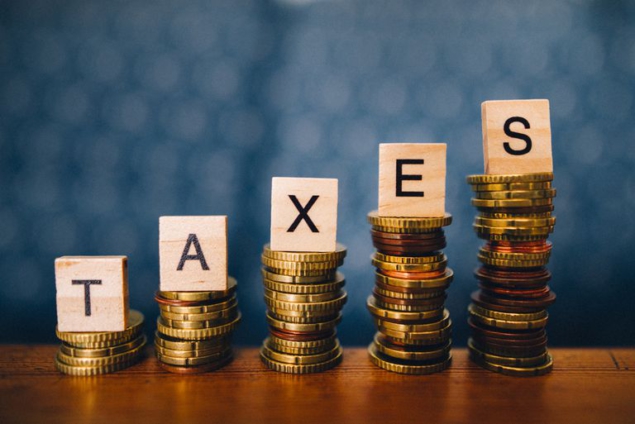
Professor of finance and economics at the University of Ghana, Prof Godfred Bokpin, has urged the government not to view the removal of some taxes as fiscal losses but rather as incentives to stimulate economic growth.
His comment follows the government's pledge to eliminate the betting tax, e-levy, and COVID-19 levy. However, the decision has faced opposition from some segments of the public who are worried about the revenue losses that will occur when these taxes are removed.
Speaking on Joy FM's Middaynews on Monday ahead of the budget presentation scheduled for Tuesday, March 11, the Economist estimated that the revenue loss from scrapping these taxes could exceed GH₵ 7 billion but emphasised that this shortfall could be offset through administrative and compliance reforms within existing tax structures, particularly corporate income tax and Value Added Tax (VAT), which he described as inefficient.
“If we can improve VAT efficiency by even 15%, it will generate more than enough revenue to cover these losses,” he explained. “Let’s also not see the removal of these taxes as losses; rather, they should be viewed as incentives for households and businesses to stimulate consumption and promote economic growth,” he noted.
He further argued that the revenue impact of removing these taxes pales in comparison to the annual tax expenditures incurred through exemptions, stressing that the move could also strengthen Ghana’s digital economy, which he believes holds the key to future growth.
Prof Bokpin also stressed the need for cost savings through wasteful expenditure cuts and the adoption of a lean government approach. He urged the government to present clear projections for cost-cutting measures and their impact on fiscal space in 2025 and beyond.
He noted that while expectations are high, they should be tempered with realism, as this is the first major budget of the new administration.
“I expect that they will stay on the path of fiscal consolidation, primarily using taxation as a key tool. However, I anticipate some revisions to the tax regime, particularly the removal of the e-levy and COVID-19 levy. The betting tax, I believe, requires further assessment due to its behavioral implications.”
Additionally, he called for transparency in assessing Ghana’s fiscal position at the end of 2024, acknowledging that the country is unlikely to meet its revised target of a 3.5% deficit-to-GDP ratio and a 0.5% primary surplus. He stressed the need for clarity on arrears from state-owned enterprises and other financial commitments.
Latest Stories
-
Iran war lands ‘triple blow’ to flood-ravaged Sri Lankans
6 minutes -
Gunmen kill at least 11 people at Afghanistan picnic spot
19 minutes -
Woman, 25, in court for stealing baby at Bogoso
20 minutes -
Trump unveils giant gold-accented victory arch design for US capital
23 minutes -
We spoke to the man making viral Lego-style AI videos for Iran. Experts say it’s powerful propaganda
28 minutes -
Hungarians vote in big numbers on whether to end Orbán rule and elect rival
29 minutes -
At least 30 feared dead in crush at Haitian tourist site
29 minutes -
Boxing: Abdul Ahmed wins WBA Africa Cruiserwight title after dispatching Nigeria’s Eradeye
43 minutes -
Nearly 2,000 displaced, schools damaged as windstorm wreaks havoc in Gushegu
1 hour -
Ghana’s Derrick Kohn to work under Marie-Louise Eta as she becomes first woman to coach men’s Bundesliga team
1 hour -
Accra Open Championships conclude with strong performances ahead of African Championships
1 hour -
Ghana to begin camping with 12 athletes after Accra Open Championships – Bawa Fuseni
2 hours -
Anthony Joshua declines showdown with Tyson Fury but admits they ‘probably’ clash next
2 hours -
Tyson Fury dominates Makhmudov, calls out Joshua next
2 hours -
I have supported highway authority financially to fix roads in my constituency – A Plus
3 hours