

Audio By Carbonatix
The emergence of the COVID-19 pandemic saw the introduction of several orthodox remedies to suppress the activities of the virus in the human body.
But to find safe and efficacious treatment for the disease, research institutes in 13 African countries, including Ghana, joined forces to embark on an ANTICOV clinical trial.
After almost two years, the Global Health researchers at the Kumasi Centre for Collaborative Research in Tropical Medicine (KCCR) have concluded studies in Ghana, which contributed the highest recruits for the study on the continent.

The ANTICOV is an open-label, randomised, comparative, adaptive platform trial that tests the safety and efficacy of treatments in 2,000 to 3,000 mild to moderate COVID-19 patients in thirteen African countries.
They include Burkina Faso, Cote d’Ivoire, Democratic Republic of Congo, Cameroon, Equatorial Guinea, Ethiopia, Ghana, Mali, Guinea, Kenya, Mozambique, Sudan, and Uganda.

Researchers for the project are looking to select the most promising treatments from ongoing global scientific efforts with proof of efficacy in collaboration with Access to COVID-19 Tools Accelerator Therapeutic Partnership.
The project is also in partnership with Unitaid and Wellcome on behalf of COVID-19 Therapeutics Accelerator.

Lead Global Health and Infectious Disease Research Group at KCCR, Dr John H. Amuasi
Lead for the Global Health and Infectious Diseases Research Group at KCCR, Dr John Amuasi indicated that the study identified early treatments that can prevent the progression of COVID-19 to severe disease with the potential of limiting transmission.
In Ghana, the clinical study was largely conducted at the Komfo Anokye Teaching Hospital.
Emergency Medicine Specialist and the Research Lead at KATH, Dr Joseph Bonney indicated that a total of 214 were recruited for Master study, the highest on the continent.
The clinical research investigated the factors affecting the transmission and impact of COVID-19 treatment on the type, strength and duration of antibody and cellular immune response in sub-Saharan Africa.
The therapeutic options explored were medicines currently used to treat malaria, hepatitis C, HIV, parasitic infections and certain cancers.
Dr. Amuasi revealed the analysis of the results collated is currently underway to establish the effectiveness of various treatments and results released in the coming months.
“The good thing about this study is that it tells you what works and what doesn’t work. Already, we know that Chloroquine was dropped. Studies like this helped us to have information on that. There are other treatments that contributed to treating the disease. The actual findings are yet to be released not only in Ghana, but all countries where the trials were done,” he said.

The trial test was conducted against a control arm, the HIV antiretroviral combination lopinavir/ritonavir and the malaria drug hydroxychloroquine, the standard care for COVID-19 in numerous African countries.
Multiple training sessions related to establishing a clinical trial, including site initiation, amendment visits, review training and protocol training.
The team conducted multiple dry runs to simulate the process of running a clinical trial.
Efforts are being made to ensure drugs that prove effective and safe are readily accessible, affordable and available.
Medical Director at KATH, Dr Kwadwo Sarbeng noted the exercise built the capacity of medical staff at the hospital.

Medical Director-KATH, Dr Kwadwo Sarbeng
“It’s advantageous when we have these interventional studies. It helps build the capacity of staff. Anyone who takes part in the study undergoes training,” he said.
Chief Executive of KATH, Prof. Otchere Addai-Mensah called for more collaborative research at the hospital. He believes such research activities would inform healthcare delivery policies.
The trial was reviewed with support from the African Vaccine Regulatory Forum (AVAREF), established by WHO in 2006 and recently mandated to expedite clinical reviews for COVID-19.
Donation
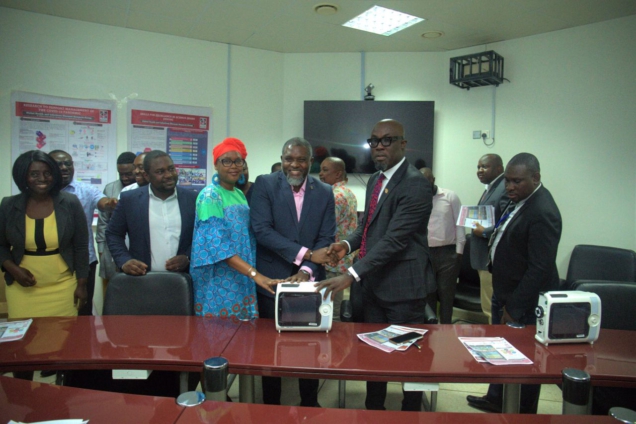
The research group after the clinical studies also donated two ventilators each valued at $15,000 and other medical consumables to the hospital.

The gesture will add to the number of ventilators to support patients in dire need at the Emergency Medicine Department of the hospital.
“The emergency unit is really somewhere we need a lot of ventilators because people who come into the hospital and have breathing difficulties can use them,” he said.
Latest Stories
-
Julius Debrah, ‘man to beat’ as NDC’s James Agbey dismisses Musah Dankwah’s polls
57 seconds -
GPRTU in Savannah Region to protest alleged eviction in Damongo
30 minutes -
Re: Reinsurance does not replace process — A response to the SIGA–SIC defence
45 minutes -
Gender Ministry supports Harriet Amuzu in ongoing abuse case
58 minutes -
AG joins plaintiff to scrap OSP ?: We should be mindful of the mischief in this – Bobby Banson
1 hour -
Samson Lardy Anyenini questions willingness of Attorneys-General to prosecute political colleagues
1 hour -
It is only fair the OSP is heard in Supreme Court case – Bobby Banson
1 hour -
Asiedu Nketia resumes Ashanti tour, second leg kicks off on Sunday
1 hour -
NLA denies salary cut claims, threatens legal action over reports
1 hour -
BoG Governor honoured for stabilising cedi, improve inflation
1 hour -
Kyebi Easter Homecoming 2026: A resounding success!
2 hours -
RNAQ divorce ruling: What the noise is hiding
2 hours -
Trade Minister applauds GUTA as a pillar of economic growth; Prez Mahama honoured
2 hours -
President’s brother’s takeover of Damang Mines is ‘untidy’ – Alhassan Tampuli
3 hours -
It’s not true that gov’t decided not to renew the lease for Gold Fields – Bobby Banson
3 hours