
Audio By Carbonatix
The International Monetary Fund is advising African countries including Ghana to rethink their fiscal policy following repeated external and domestic shocks from rising debt vulnerabilities in their economies.
Under unchanged policies, the Fund said, the region’s public debt-to-Gross Domestic Product (GDP) ratio will continue to trend upward, increasing by over 10 percentage points over the next five years.
This it warns would crowd out private investment, raise sovereign risk, and limit countries’ ability to invest in human and physical capital.
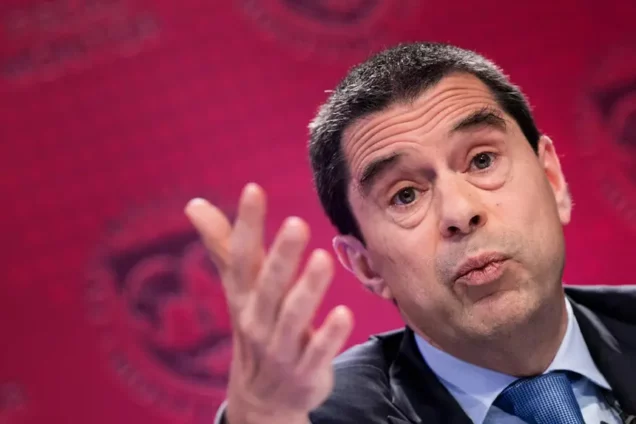
Speaking at the 12th African Fiscal Forum, the Director of the Fiscal Affairs Department at the IMF, Vítor Gaspar, called for the design of credible medium-term fiscal strategies that could help preserve fiscal sustainability and rebuild buffers while addressing the region’s development goals.
“The IMF has been asking the question, how to pay for it all [debt]; the question is relevant for all of the IMF membership. But it is particularly pressing for countries in Sub-Saharan Africa with a large development spend in the months. From mid-2022 to the end of 2023, no country from Sub-Saharan Africa issued bonds in the Eurobond market. That was a manifestation of others breaking funding squeeze that has changed in January [2024] and February [2024] with the number of countries issuing significant amounts”.
“But the coupon rates and yields in secondary markets have stayed very high”, he added.
He continued that the debt signals have elevated bond risks, stressing, “I have already emphasised that spending pressures for development are particularly high for Sub-Saharan Africa. Elevated in forex trade and a strong dollar makes servicing dollar denominated debt more expensive.”
He mentioned that aid flows and financing from China have been declining for some years.
This year’s Forum focused on how to set fiscal targets and determine the pace and composition of the potential adjustment depending on countries’ specific circumstances. The discussion also explored the role of institutions in addressing implementation challenges and how those institutions can be strengthened.
The panelists were made up of Daves de Sousa, Minister of Finance, Angola; Koen Doens, Director General for International Partnerships, European Commission; Njuguna Ndung’u, Minister of Finance, Kenya and Fati N’Zi-Hassane, Executive Director, Oxfam Africa.
Latest Stories
-
Ursula Owusu challenges Mahama’s claims on SIM registration, says exercise was credible
43 minutes -
Action star Chuck Norris dies, family says
1 hour -
Peter Quartey calls for strict enforcement of SOE performance targets
1 hour -
Reckless motorbike riding at Eid ‘worrying trend’ – Chief Imam
1 hour -
Photos: Vice President joins Muslims for Eid-ul-Fitr prayers at State House forecourt
2 hours -
Let’s fix governance and performance gaps in SOEs – Experts
2 hours -
Eid-ul-Fitr: Chief Imam raises alarm over youth indiscipline, drug abuse
2 hours -
GSE continues good run, 10 stocks record gains since January 2026
3 hours -
Ghana scores higher than Nigeria, Kenya in Fitch Solutions 2026 Digital Readiness Risk Index
3 hours -
Ghana Medical Relief to hold medical outreach in Ho West District, targets about 16,000 beneficiaries
3 hours -
NSA celebrates Eid, commends staff and personnel for national service
3 hours -
Côte d’Ivoire’s counterterrorism strategy raises concerns over foreign military dependence
3 hours -
Middle East: Prez Mahama calls on leaders of warring nations to opt for dialogue
3 hours -
First Deputy Governor chairs College of Humanities Advisory Board
3 hours -
Nestlé Ghana engages ‘Mammies’ ahead of nationwide Maggi loyalty promo and rewards drive
3 hours