

Audio By Carbonatix
Communities across northern Ghana are increasingly facing two disturbing climate threats. That are floods and droughts. These extreme weather events are damaging farms, reducing harvests, and making life more difficult for families who depend on agriculture.
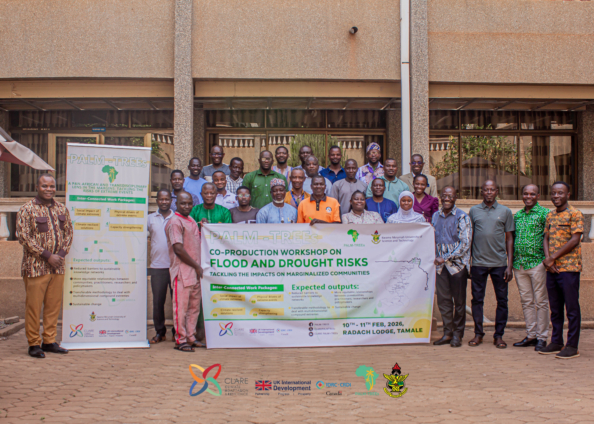
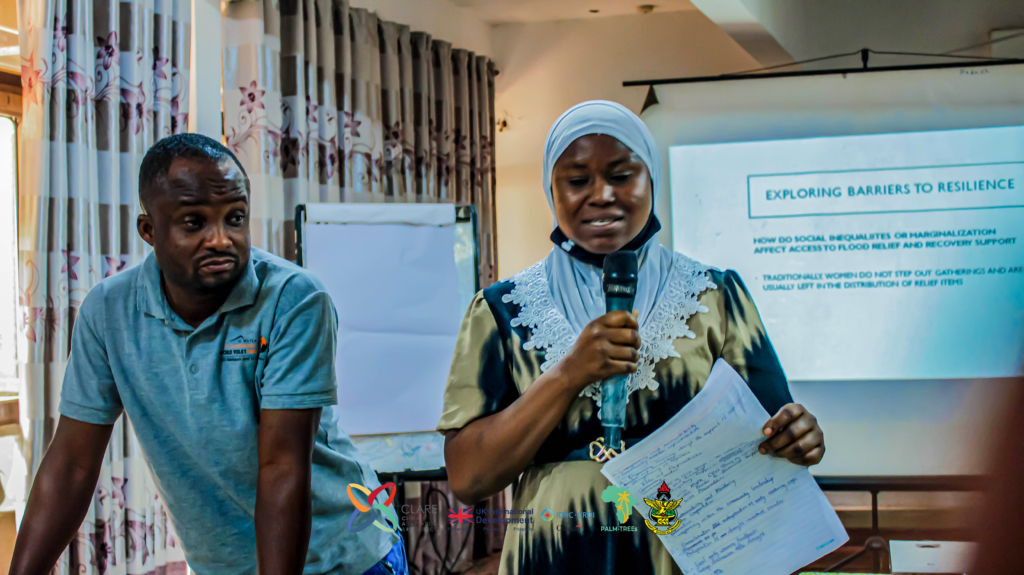
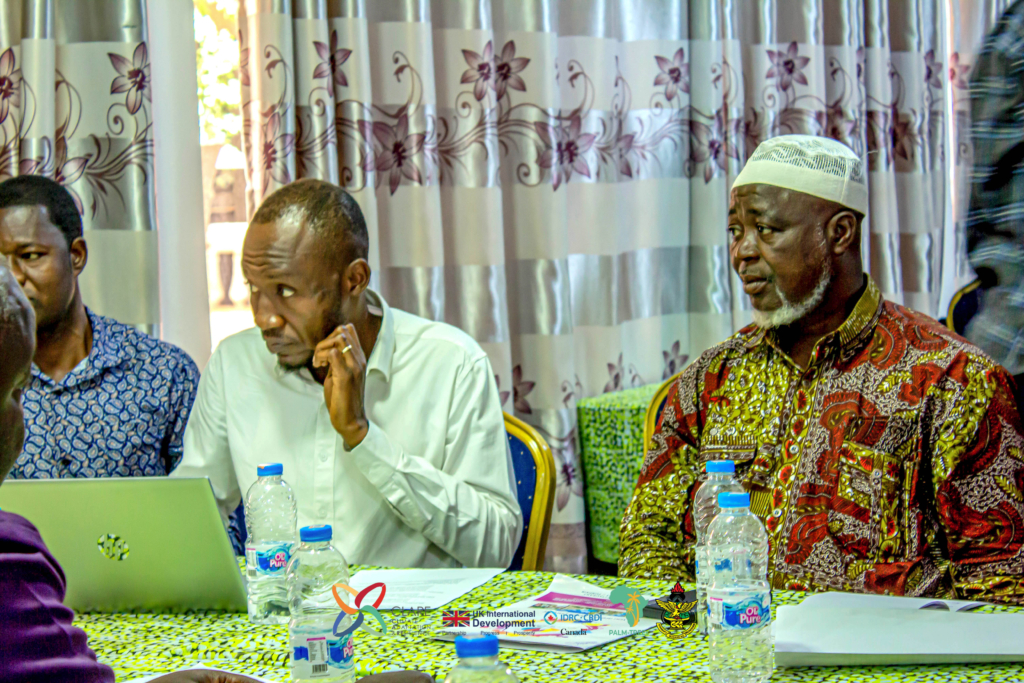
To better understand these risks and find solutions, scientists, government officials, civil society groups, and community members met in Tamale for a co-production workshop on flood and drought risks. The meeting was part of the Pan-African and Transdisciplinary Lens in the Margins: Tackling the Risks of Extreme Events (PALM-TREEs) project, a research initiative studying how climate extremes affect vulnerable communities in the White Volta Basin.
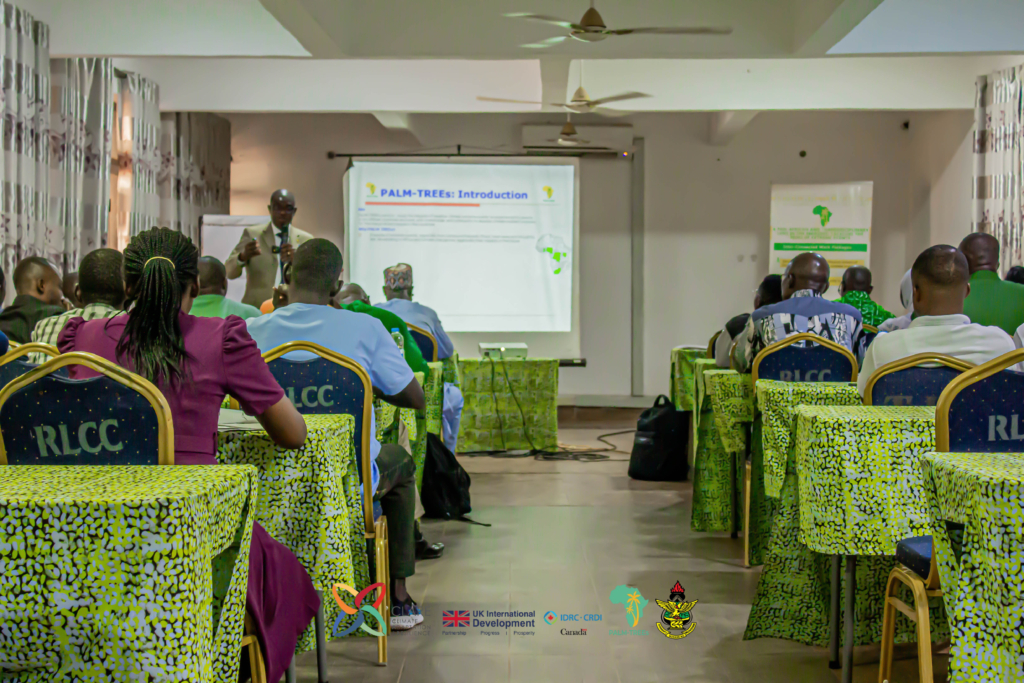
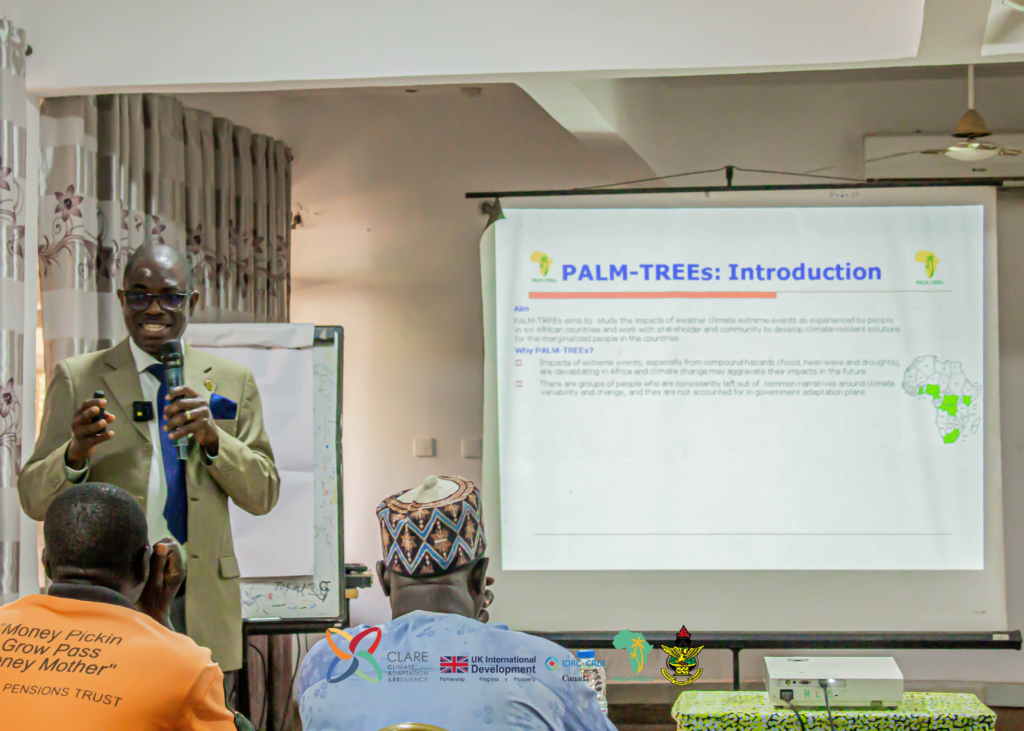
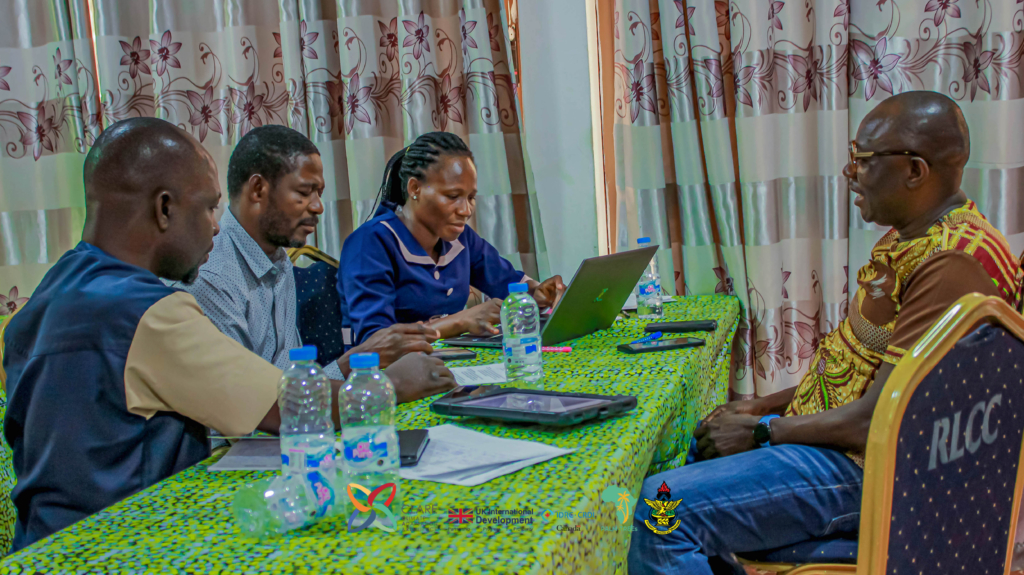
The workshop brought together research findings and real-life experiences from communities that face these climate challenges every year.
One of the studies presented at the workshop by a PhD student at the Kwame Nkrumah University of Science and Technology (KNUST), Samuel Owusu Ansah, focused on flooding. Using climate and rainfall data together with community observations, Mr Ansah identified several areas that frequently experience flooding.
Talensi District emerged as one of the major flood hotspots. Communities such as Pwalugu, Santeg, and Nungu often experience flooding during periods of heavy rainfall.
However, when researchers visited these communities, they found something interesting. Despite the risks, residents had developed ways to cope with the floods.
“They have developed strategies that help them remain resilient,” Ansah explained. “Understanding how they manage this could help other communities.”
The study also found that communities in Bawku West District, including Yarigu and Timonde, often experience flooding caused not only by rainfall but also by water released from the Bagre Dam in neighbouring Burkina Faso.
When heavy rain and dam releases occur at the same time, rivers overflow and nearby farms and homes become flooded.
Identifying drought hotspots
Another study presented at the workshop by Joshua Asamoah, also a PhD student at KNUST focused on drought patterns in the White Volta Basin. Using rainfall data from 1990 to 2024, Mr Asamoah identified areas where dry spells during the rainy season are becoming more frequent.
Districts such as Talensi, Bawku West, and Binduri were identified as areas where rainfall shortages are becoming more common. Communities including Santeg, Nungu, Pwalugu, Timonde and Azum-Sapeliga often experience long periods without rain even during the farming season.
In other districts such as North Gonja and Tolon, drought occurs less frequently but tends to be more intense and lasts longer.
“When drought happens in these places, it can last longer and cause more damage,” Mr Asamoah explained.
For farmers who depend entirely on rainfall, these dry periods often mean crop failure and loss of income.
A third study by Alfred Awuah, another PhD student at KNUST looked at what happens when both floods and droughts affect the same communities. Mr Awuah explained that farmers sometimes experience both disasters within the same farming season.
A flood may destroy newly planted crops. Farmers then replant their fields, but the rains may suddenly stop, leading to drought.
“When both events happen in the same season, the losses become much worse,” Awuah said.
His research identified communities in North Gonja District, including Daboya, and Dissah, as areas where these compound climate events are particularly severe.
Such repeated losses can push households into deeper poverty because farmers lose both their crops and the money they invested in farming.
Understanding the human side of climate risk
According to a lecturer at the University of Technology and Applied Sciences in Navrongo, Dr. Joan Atulley Akandi, the workshop showed that climate disasters are not only about weather.
She explained that the vulnerability of communities also plays a major role.
“What really stood out from the presentations is that floods and drought become worse because of the vulnerability of communities,” she said.
People often lack the financial resources and social support needed to recover from these events. Participants from academia, research institutions and NGOs also discussed what institutions can do to support vulnerable communities.
The overall PALM-TREEs project is led by Professor Thompson Annor, from the Department of Meteorology and Climate Science at KNUST.
According to him, the project combines climate science with the lived experiences of communities.
“At the beginning we held an inception workshop where we presented our research plans to stakeholders and received their input,” he explained.
After collecting data from the communities, the researchers returned to the stakeholders to share their findings and work together on possible solutions.
“Presenting results alone is not enough,” Prof. Annor said. “We must also discuss how to solve the problems and build resilience.”
Supporting communities through savings groups
One of the key researchers working directly with communities is Dr. Andrew Manoba Limantor, a lecturer at the University of Environment and Sustainable Development.
When the research team first visited the communities, they found that lack of money was one of the biggest barriers preventing farmers from adapting to climate change.
To address this problem, the project helped communities form Village Savings and Loan Associations (VSLAs). Across the study area, 37 savings groups were created, supporting more than 1,000 farmers.
Members contribute small amounts of money regularly and can borrow from the group to support farming activities or start small businesses.
These savings groups are already helping farmers diversify their livelihoods through activities such as livestock farming, beekeeping and small trading.
The project has also connected these communities to the Ministry of Food and Agriculture so they can receive agricultural extension support.
Government calls for stronger coordination
Government institutions also participated in the workshop. Zonal Head for the Northern and Upper East Regions at the Ghana Hydrological Authority, Richard Abaare, said stronger collaboration between government agencies and development organizations is essential.
“We need better coordination to tackle extreme events like floods and drought,” he said.
He suggested that agencies should make better use of seasonal weather forecasts provided by the Ghana Meteorological Agency to prepare communities before disasters occur.
Community members also shared the strategies they are already using to survive climate challenges. Mahama Rahinatu from Yapei community explained that many residents have created local savings groups, often called susu, to support farming activities.
“The main challenge most of the time is finances,” she said.
Through these savings groups, farmers can access loans to buy seeds, fertilizer and other farming inputs. However, she noted that support from government programs does not always reach everyone.
She recalled the long dry spells experienced in 2024, which severely affected crop yields.
“We heard that money and fertilizer were given to farmers, but some people received them and others did not,” she said.
Because of this, communities often rely on their local assembly members to communicate their concerns to district authorities.
Experts say responding to climate change in northern Ghana requires cooperation between many groups. Scientists provide research and data. Government agencies develop policies and programs. Communities share their experiences and local knowledge.
Participants hope to develop practical solutions that will help communities’ better cope with floods and droughts.
For many farmers living along the White Volta Basin, adapting to climate change is no longer a future concern. It is a challenge they face every farming season.
Latest Stories
-
Power restoration fault suspected in Kumasi Central Market fire
4 hours -
The 7-foot giant of Ngleshie Amanfro: Seven-foot Ghanaian Ephraim Saawa dreams of joining the national basketball team
5 hours -
Government promises support for Kumasi Central Market fire victims
5 hours -
Vibes The Movie: Big Ghun’s Ghanaian film earns five nominations at 2026 REFFA
5 hours -
MamaCare CEO warns unresolved conflicts among health workers could undermine maternal and neonatal care
6 hours -
Health professionals urged to translate medical knowledge into practice to save mothers
6 hours -
Conflicts among care providers linked to maternal, neonatal deaths – Expert
7 hours -
GIS marks 10th TIME conference, champions improved teaching practices
7 hours -
BRICS Or Balance? What Ghana’s bid really means
8 hours -
GPRTU wants full TRAFFITECH-GH implementation to start in 2027
8 hours -
How 10-mile walks for basic education birthed a 50-year legal career for Justice Korbieh
8 hours -
Mahama announces plans to import electric wheelchairs for PWDs
8 hours -
KGL U17 Colts 2026: Western beat Prempeh Elite Academy to set up final final with Greater Accra Region
9 hours -
Late Solanke strike salvages 10-man Spurs draw at Man United
9 hours -
Gender Ministry to monitor welfare of Nana Akua Addo’s children amid domestic violence case
9 hours