

Audio By Carbonatix
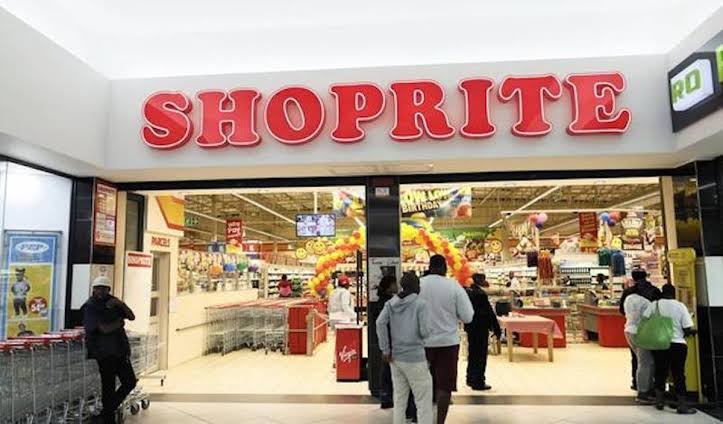
Shoprite Holdings Ltd., once heralded for leading the expansion trail into Africa, plans to exit Nigeria after the continent’s largest food retailer struggled with supply-chain disruptions and faced challenges in getting money out of the country.
Talks that have started to sell the operations come after several other South African retailers that have left the continent’s most-populous country to focus more on their home market.
Nigeria’s economy is being ravaged by a slump in oil prices that have dried up dollar supplies and a naira that was devalued earlier this year.
Delays in clearing goods from Nigerian sea ports, traffic congestion and poor road accessibility have made it difficult for the Cape Town-based supermarket operator to get stock onto shelves.
Woolworths Holdings Ltd., the South African seller of designer clothing and organic food, quit Nigeria in 2013, apparel retailer Truworths International Ltd. closed its last two Nigerian stores in 2016 and Mr Price Group Ltd. said in June it was also departing.
Shoprite, the owner of supermarket chains such as Checkers and U-Save opened in Nigeria 15 years ago and the company has been growing in 15 countries outside South Africa to become a continent-wide superpower with 2,319 corporate-owned food and liquor retail stores.
In 2013, Shoprite’s former Chief Executive Officer Whitey Basson said Nigeria could eventually carry about the same number of stores as the about 800 outlets Shoprite had in South Africa at the time.
Even so, Shoprite’s expansion in Nigeria has been hampered, with its latest count at 25 corporate stores. That compares to South Africa’s 1,957.
‘Hard Decisions’
Chief Executive Officer Pieter Engelbrecht said in November that he was not “scared to take the hard decisions,” and the grocer would consider exiting certain African countries if that would help reverse regional sales declines.
It also recently closed a store in Kenya’s second-biggest city, Mombasa, following a few months of trading in a difficult economic climate.
“Shoprite is voting with its feet as the Nigerian business environment becomes more toxic, the middle class shrinks and the government harasses businesses to fill dwindling coffers,” Cheta Nwanze, an analyst at Lagos-based SBM Intelligence, said by email.
“With the state of the naira, prices need to go up. Problem is that they also see that purchasing power is tanking, even among their aspirational middle-class segment.”
In South Africa, Shoprite’s second-half sales climbed as it gained market share, even as its main lower-income customers battle with the impact of an economic slowdown. The stock rose as much as 12% in Johannesburg on Monday.
Latest Stories
-
GCB Bank surges GH¢0.45, ETI gains GH¢0.06 as GSE ends week higher
23 minutes -
Two teens jailed 55 years for robbery
50 minutes -
UDS demands apology for MPhil student wrongly branded as Tamale robber
2 hours -
“We don’t sell fish!” – Tema Shipyard CEO hits back over dead fish discovery
2 hours -
Sam George defends anti-LGBTQ+ Bill as ‘national priority’ amid debate over gov’t focus
3 hours -
Artemis II astronauts safely back on Earth after trip around moon
3 hours -
Sam George unveils massive 1,150-cell site rollout to end network woes
3 hours -
This Saturday on Prime Insight: Fuel levy suspension, LGBTQ+ legislation, and Damang Mine controversy
4 hours -
Struggling Real suffer title blow with Girona draw
4 hours -
Mahama nominates Pamela Graham as Auditor-General
5 hours -
The five big sticking points in US-Iran talks
5 hours -
Melania Trump’s speech propels Epstein crisis back to forefront
6 hours -
What everyone should know about C-sections
6 hours -
Gunmen kill at least four people at Afghanistan picnic spot
7 hours -
Health Ministry engages Ga Mantse ahead of Free Primary Healthcare launch
7 hours