

Audio By Carbonatix
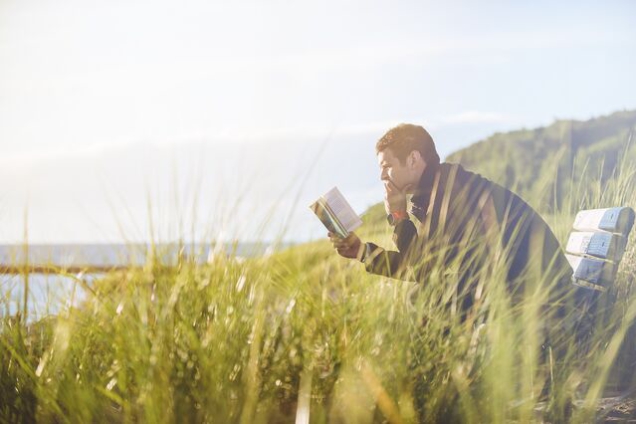
“I just need some space.” Hearing these words from a partner can create anxiety, fear, and a sense of dread. But according to research, it shouldn’t. Far from signaling doom and gloom, seeking solitude, at least in short periods of time, can actually help, not harm, your relationship.
The Sanctity of Solitude
Jerry M. Burger, in a piece entitled “Individual Differences in Preference for Solitude,” notes that for some people, being alone is a desirable, pleasant experience, which does not make them lonely, and may actually be beneficial through stimulating self-reflection.
[i] Many of us can relate to this, either personally or with respect to others in our family or social circle, who genuinely enjoy their own company. Being alone, they do not experience solitary confinement, but comfort. They may, in fact, crave this special time to relax and recharge, after which time they are more receptive and responsive—to you.
Solitude can also be calming and helpful to regulate emotions. Thuy-vy T. Nguyen et al. (2018) examined ways in which solitude impacts affective self-regulation.[ii] The scientists began by acknowledging that some prior research demonstrates that solitude can produce positive experiences when people use it for relaxation, privacy, creative pursuits, self-reflection, and regulation of emotions.
In their own research, they found that solitude generally deactivates affective experiences, reducing the effects of both positive and negative high-arousal. They found these effects only occurred when people were alone, not with others, and found this effect was present whether or not someone was engaging in activity while alone, such as reading. Perhaps most relevant to relational dynamics, they discovered that solitude can produce relaxation and reduce stress when people actively chose to spend time alone—which could explain the request for “space.”
Home Alone: Accommodating Aloneliness
Another reason to accommodate (reasonable) requests for time alone is that researchers have determined that some people not only crave time alone, but feel anxious when they do not get enough.
Robert J. Coplan et al. in a piece entitled “Seeking More Solitude” (2019), introduced the concept of aloneliness, described as negative feelings associated with a perception that a person is not spending sufficient time alone.[iii] Exploring its role emotionally, Coplan et al. found that an affinity for aloneness (distinguished from shyness) was associated with well-being. Specifically, they found that aloneliness mediated the negative link between preferring solitude and well-being, and the positive link between time alone and depression.
Coplan et al. found preliminary support for their conceptualization of aloneliness as a “mirror image of loneliness” in that where loneliness can be viewed as social dissatisfaction, aloneliness can be viewed as asocial dissatisfaction. Accordingly, they found support for their assertion that aloneliness does not depend on the actual or ideal amount of alone time, but the “mismatch between these values.”
As a practical matter, Coplan et al. note that when someone feels particularly busy or stressed, this might interfere with the ability to achieve a desired amount of solitude. This would be especially true for people who enjoy and even prefer spending time alone. The inability to achieve time alone could in turn enhance feelings of aloneliness, which could lead to negative emotions and further stress—which we can imagine is not beneficial for relationship quality or satisfaction.
Temporarily Alone Means Better Together
Obviously, too much separation can cause couples to drift apart, as out-of-sight might begin to mean out-of-mind. In the short term, however, absence can make the heart grow fonder. And apparently, for many people, privacy promotes personal wellness. So especially when someone seems to be overwhelmed or under stress, remember that an expressed need for space may reflect a desire to rest and recharge. Quality time alone can produce quality time with you.
Latest Stories
-
From despair to dance: Family of nurse Salomey Baffoe rejoices after GH¢100k bail granted
58 minutes -
Kejetia Phase III pricing talks loom as government moves to restart stalled works
2 hours -
Nchiraa Yam festival: Two killed, 14 injured as police restore calm
2 hours -
I draw inspiration for my songs from Reggae music – Lyrical Joe
2 hours -
AI must not replace human judgment in public spending – BoG Governor
2 hours -
Ghana should withdraw from 2027 AFCON – Kojo Addae Mensah
2 hours -
Team Ghana departs Accra for Angola ahead of Karting Africa Trophy
2 hours -
AIT President Prof Clement Dzidonu urges lifelong learning as AI reshapes work and education
2 hours -
FWSC to meet striking teacher unions on Tuesday
2 hours -
NPP won’t force candidates to step down – Miracles Aboagye
2 hours -
Black Stars: Building in the sinking sands
2 hours -
Low inflation on paper, high cost of living: How Presidents Mahama and Trump are facing stark economic reality
2 hours -
NPP will negotiate with popular non-politicians to secure winnable candidates – Miracles Aboagye
3 hours -
Only 5% of Ghanaians can afford housing without support – Gov’t
3 hours -
Nigeria launches rescue after military plane crashes with 32 aboard
3 hours