

Audio By Carbonatix
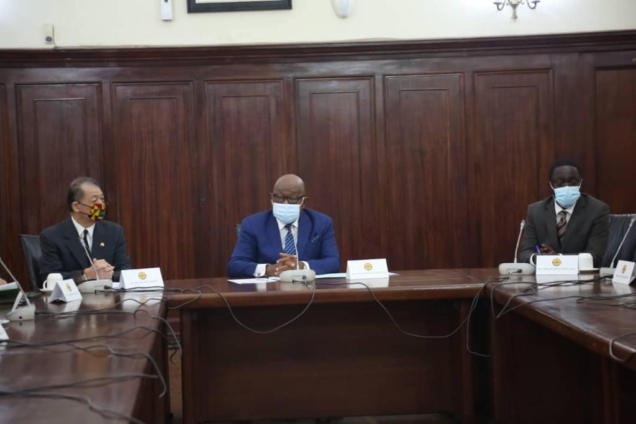
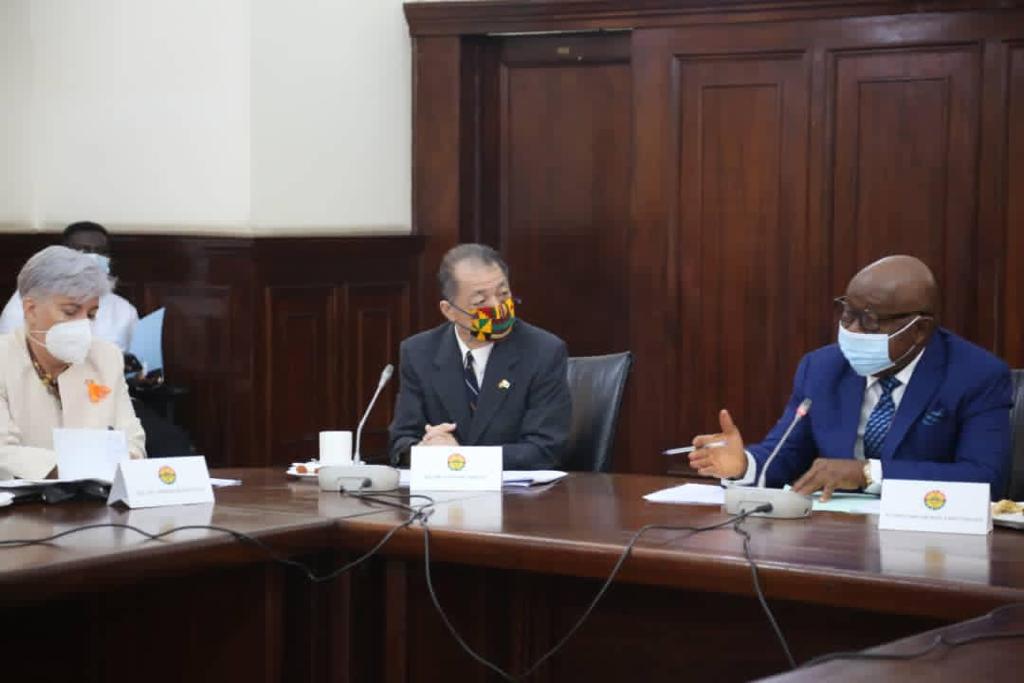
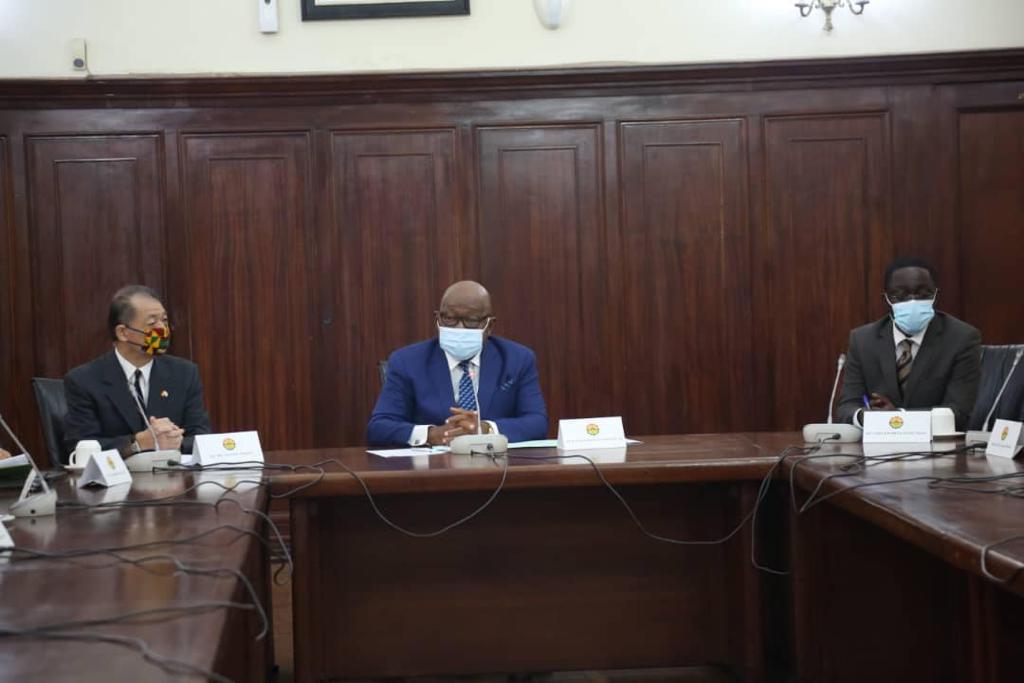
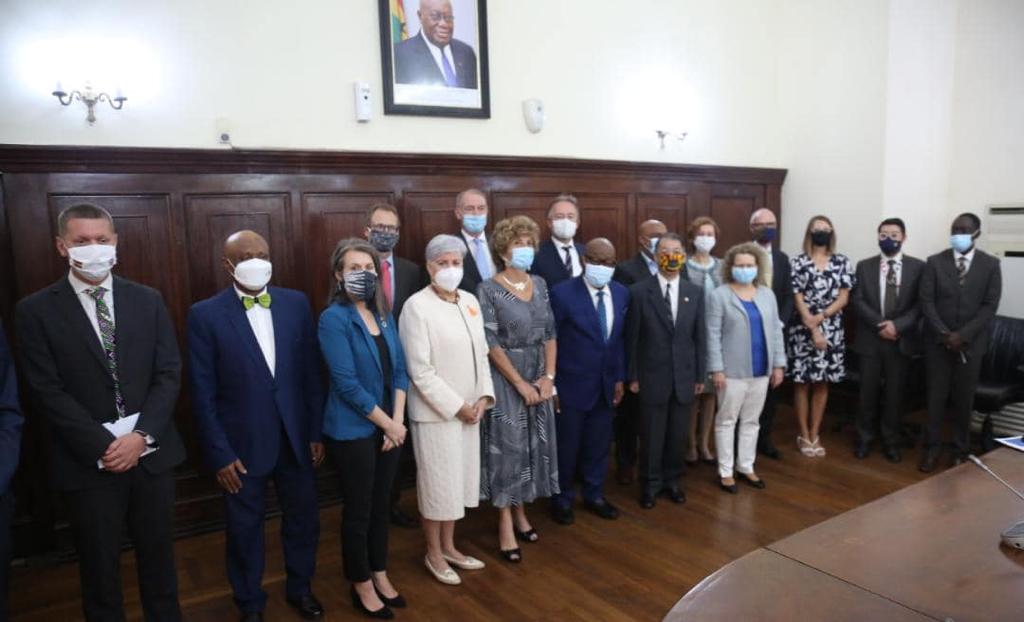
The Speaker of Parliament, Prof. Aaron Michael Oquaye held deliberations with 21 international partners including Ambassadors and Development Partners as part of the Debt Cancellation Campaign Initiative (DCCI) last Monday, November 30, 2020.
DCCI is an initiative by the Conference of Speakers and Heads of African Parliament (COSAP) to advocate for Africa’s debt to be forgiven due to the huge impact of the Covid-19 pandemic on Africa’s economy.
In the wake of the pandemic, the World Bank forecasts that Sub-Saharan Africa will collectively fall into recession for the first time in 25 years.
The World Bank statistically projects that between 26 and 39 million people in the region are at a high risk of falling into extreme poverty.
The Jubilee Debt Campaign report also indicate that twenty African countries now face increased difficulties with 50% of African countries spending more on debt repayments than they do on healthcare and education, which are key for human capital development.
Prior to the pandemic, the debt levels of numerous African countries were reaching unsustainable levels; according to information from the IMF, debt-to-GDP ratios in African countries have increased from an average of 43% to 62% from 2013 to 2018; Twenty-two (22) African countries have debt-to-GDP ratios of over 60%, the threshold set by the African Monetary Cooperation Program for prudent debt levels.
African countries are on the brink of a debt crisis as we tackle the effects of the most devastating economic and social disasters in history.
Since the advent of the Covid-19 pandemic, the frailties of many African countries have been exposed and according to Jubilee Debt Campaign, twenty African countries are already in debt distress or at a high risk of it.
Prof. Oquaye, speaking on behalf of Conference of Speakers & Heads of African Parliament (COSAP), at the meeting with the Diplomats and Development partners, urged them to consider cancelling debts for developing countries in Africa, since this is a perennial matter.
Speaker Oquaye noted that there is an urgent need for the forgiveness of debt since African countries are facing enormous challenges including, increase in health expenses and other allied expenses, shortfalls in petroleum, slowdown of foreign direct investments, reduction in trade volumes, decline in international price of crude oil, exchange rate volatility and debt service difficulties.
Prof. Oquaye said that in the light of global advocacy efforts, the establishment of a more cohesive pan-African parliamentary voice to support the global and regional campaigns for Africa’s debt cancellation has become imperative.
He argued that the African Speakers’ Debt Cancellation Initiative was birthed as a means to establish that cohesive pan-African parliamentary voice of the continent to support the global campaigns advocating for Africa’s debt cancellation.
The Japanese Ambassador to Ghana, and Chairman of Heads of Mission of Development Partners Tsutomu Himeno, speaking on behalf of his colleagues said developed nations are open to discussing debt cancellation for Africa, taking the total sum of the Covid-19 pandemic on all countries in the world.
One of the key issues that also came to the fore was that the lending architecture of the world has changed drastically and nations are no longer the major world lenders, there is, therefore, the need to address issues of debt forgiveness, cancellation or suspension to the appropriate quarters.
The British High Commissioner Ian Walker expressed the UK’s preparedness to work towards easing Africa’s economic difficulties.
The American Ambassador, H.E Stephanie Sullivan referred to the interventions of the Highly Indebted Poor Countries (HIPC) programme and how those were to cure the ills of debt burden in African countries.
The American ambassador urged African countries to refer to the lessons learnt from that intervention to avoid future occurrences.
Responding to the concerns about the HIPC programme, Speaker Oquaye indicated that the support from the Programme of Action to Mitigate Social Costs Adjustments (PAMSCAD) was not enough to sustain African countries and to elevate them from dependents to real partners in the development relations.
He urged the Development Partners to embrace legislative diplomacy as a tool in engaging the continent on debt forgiveness.
Latest Stories
-
Why diaspora investors are using Accra real estate to hedge against global uncertainty in 2026
3 minutes -
GWL urges public support to stem water thefts
5 minutes -
Fire guts 2-storey apartment at Ashaley Botwe
6 minutes -
Come down and account, it’s a constitutional requirement – Martin Kpebu to Ofori-Atta
14 minutes -
The power of the private courtyard: How regalia is redefining resort-style living in Accra
26 minutes -
Beyond roads and bridges: Understanding the true role of your MP
27 minutes -
UK says Russia ran submarine operation over cables and pipelines
28 minutes -
NPRA recovers GH¢27m in 2025, 30% of defaulted pension contributions
31 minutes -
Power fluctuations slash Ashanti region water production by 959,000 cubic metres in March
36 minutes -
Beyond the festivities: Gomoa must turn visibility into development
45 minutes -
DVLA clarifies it is not responsible for Toyota Voxy commercial operations
46 minutes -
Calls for Ofori-Atta’s return a non-issue if trial proceeds in absentia – Pius Hadzide
49 minutes -
France names Ghana first beneficiary of newly established National Health Compact
55 minutes -
US Immigration, extradition outcomes likely to influence each other in Ofori-Atta case – Amanda Clinton
58 minutes -
29-year-old woman rescued after hiding in drain to escape attackers
1 hour