

Audio By Carbonatix
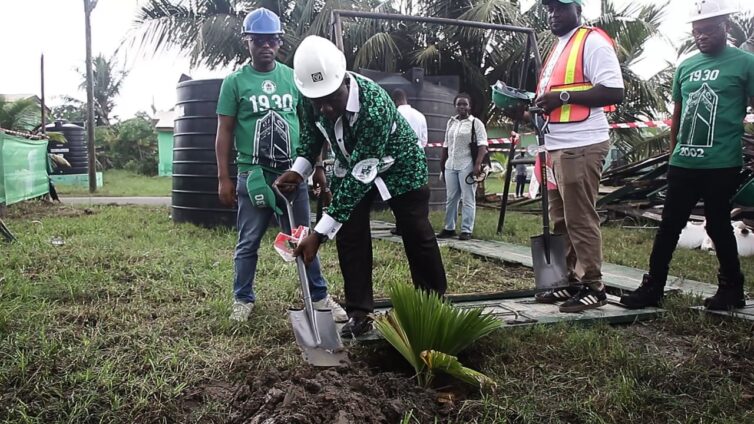
The 2002 Year Group of St. Augustine's College Past Students' Union has launched a major infrastructure project aimed at improving teacher welfare and strengthening academic delivery at St. Augustine's College.
The project, dubbed Building Opportunities for Learning and Transformation (BOLT), involves the construction of a 14-unit accommodation facility for teaching staff. The initiative is intended to increase teacher presence on campus, improve student supervision and create a more conducive environment for teaching and learning.
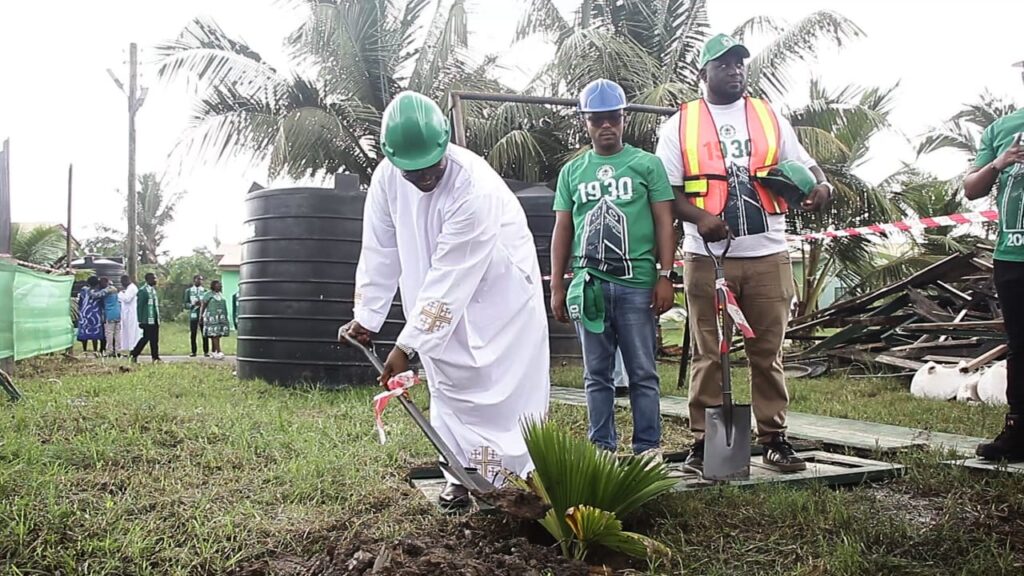
Speaking at the launch, the Convener of the 2002 Year Group, Linus Kweku Labik, described BOLT as the group’s legacy project and emphasised the importance of investing in teachers to improve educational outcomes.

“BOLT stands for Building Opportunities for Learning and Transformation, and it is our legacy project. We want people to understand that without teacher motivation, efforts will be inadequate. We need our teachers to support mentorship and guide students towards their future aspirations. We believe that increasing accommodation on campus will contribute significantly to the legacy of APSU,” he said.
The Headmaster of St. Augustine’s College, Rev. Fr. Patrick Appiah, commended the 2002 Year Group for the initiative and appealed to other alumni groups and stakeholders to support the project.
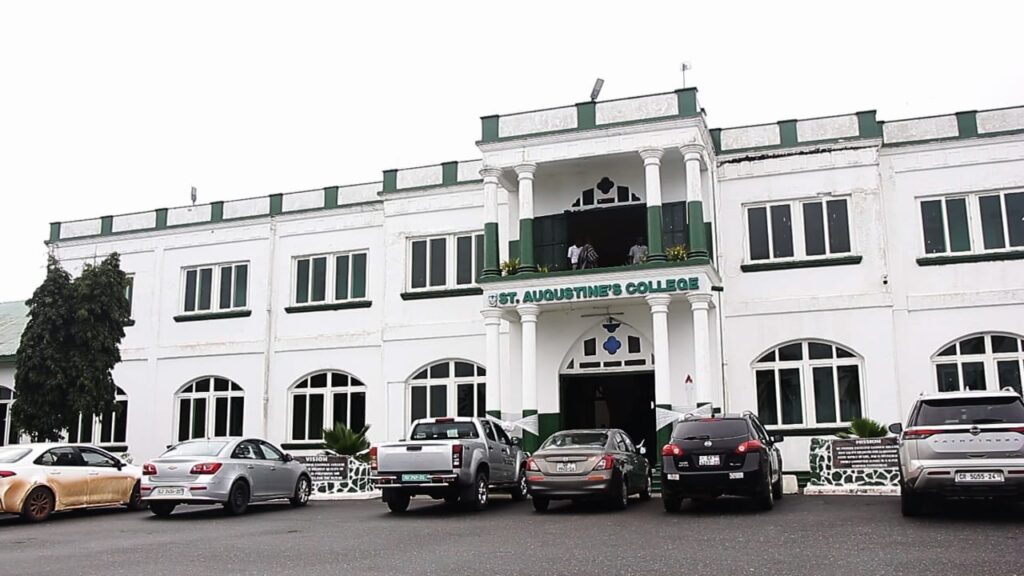
“APSU 2002 cannot do it alone. They have already set the tone by raising funds and initiating the project. We want to see it completed by March 2027. Let us come together and celebrate the teacher. We may provide students with every technological tool, including AI, but it is the teacher who facilitates the learning process. The time to act is now, and every contribution counts,” he said.
Also speaking at the event, the Head of the Languages Department, Regina Naa Kordei Anu, highlighted the benefits of providing on-campus accommodation for teachers.
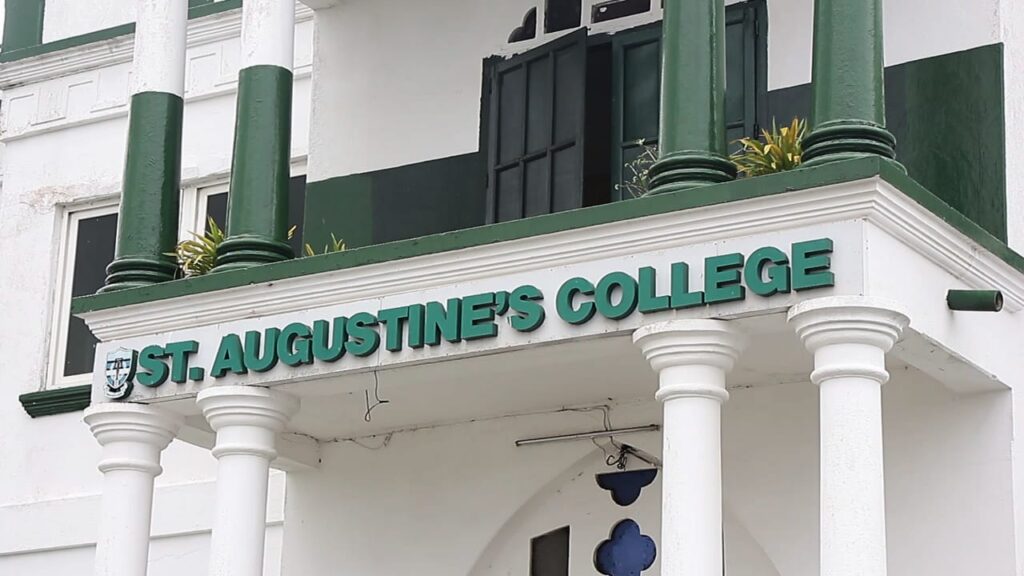
According to her, increased teacher presence on campus would improve supervision, enhance academic performance and ensure quicker responses to emergencies.
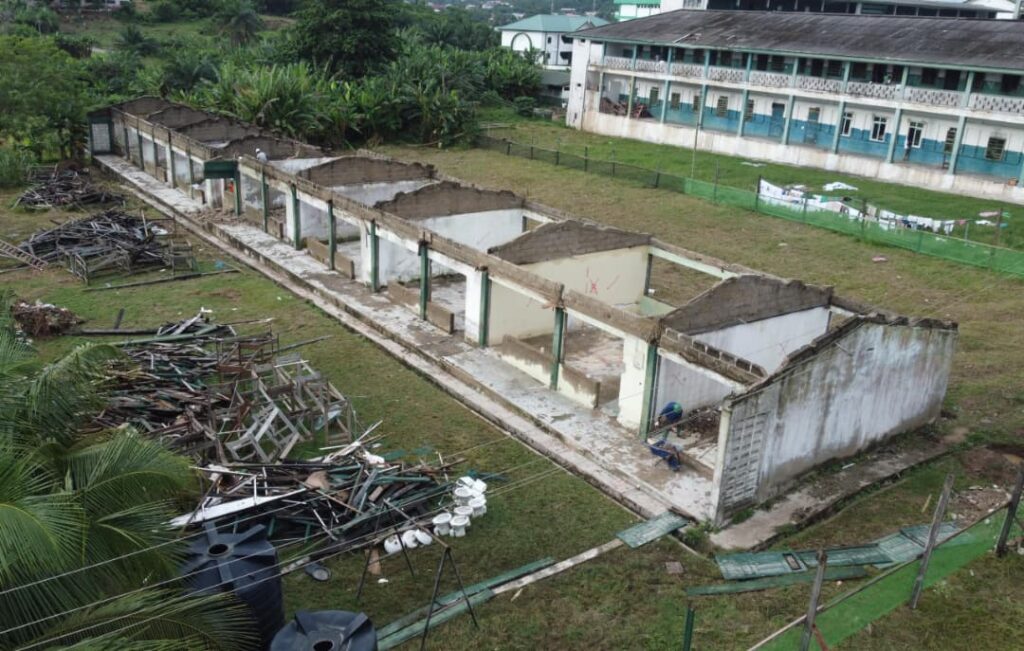
“Having teachers on campus allows for a rapid response to emergencies such as fire outbreaks, student illnesses, disciplinary incidents and other situations requiring immediate intervention. We believe this project will encourage more teachers to reside on campus and contribute to the areas identified. We are extremely grateful to APSU 2002,” she said.
The official launch of the BOLT project is scheduled for 19 June 2026 at the Mövenpick Ambassador Hotel Accra.
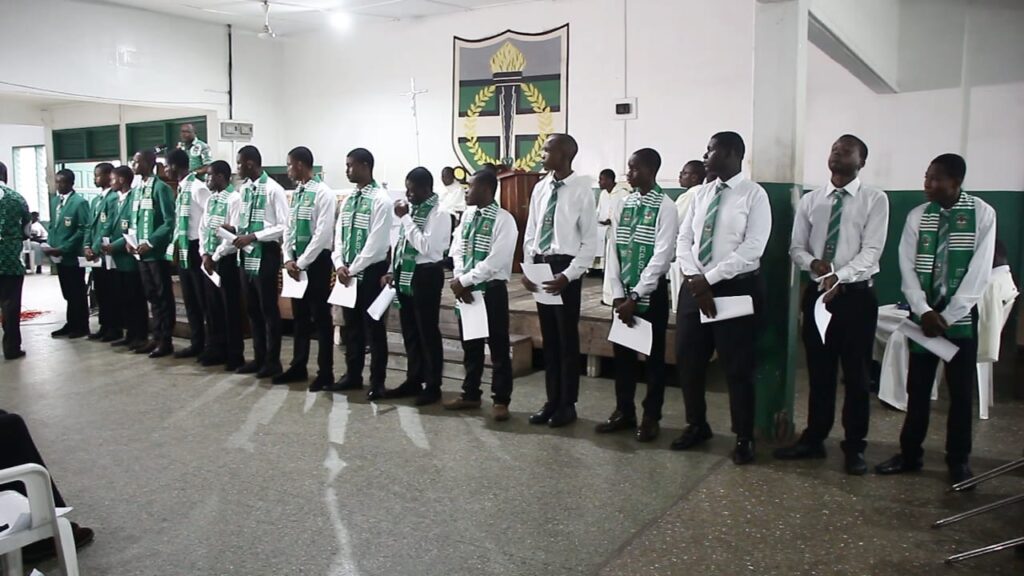
The sod-cutting ceremony also served as the induction of final-year students into the St. Augustine's College Past Students Union, strengthening the bond between current students and the school's alumni network.
Latest Stories
-
Saudi minister vows ‘serious response’ to Houthi attacks on airports
19 minutes -
When dialogue fails and strikes speak: Is industrial action the only language government understands?
25 minutes -
Ghana launches Social Protection Act regulations and Affirmative Action Gender Equity Regulations
27 minutes -
Mahama swears in Emelia Afi Agbenyo, Joseph Kwaku Asamoah as EC Deputy Commissioners
36 minutes -
Wetland communities in Northern Ghana face a hotter, flood-prone future as climate risks intensif
38 minutes -
Sam George tasks KNUST to develop Twi AI model as Ghana plans local-language artificial intelligence
41 minutes -
Poor roads choking eco-tourism potential – Avatime Paramount Chief cries out
46 minutes -
DVLA records GH¢25 million surplus in 2025 as contributions to state funds reach GH¢98.1 million
51 minutes -
Over 10 suspected scam centre kingpins arrested and remanded – CSA
56 minutes -
Ministers, CEOs, policymakers to grace 7th Africa Public Sector Conference in Accra
58 minutes -
NDC sets filing fees for national executive elections, with chairman aspirants paying GH¢100,000
59 minutes -
Muntaka urges Ghanaian cannabis growers to form cooperatives under licensed cultivation framework
1 hour -
84 suspected drug offenders in custody as NACOC freezes nearly 73 assets – Muntaka
1 hour -
Immediate reconciliation key to building united NPP — COKA
1 hour -
MPs, CSOs push for dedicated budget line for malaria
1 hour