Coastal erosion, sea-level rise, and extreme weather events have intensified over the past decades. The outcomes of these environmental challenges are severe, with infrastructure damage, loss of arable land, displacement of communities, and threats to livelihoods becoming increasingly common in the Volta Region.
In November 2021, severe storm surges in the Keta District displaced nearly 4,000 residents, underscoring the urgent need for effective coastal resilience strategies.
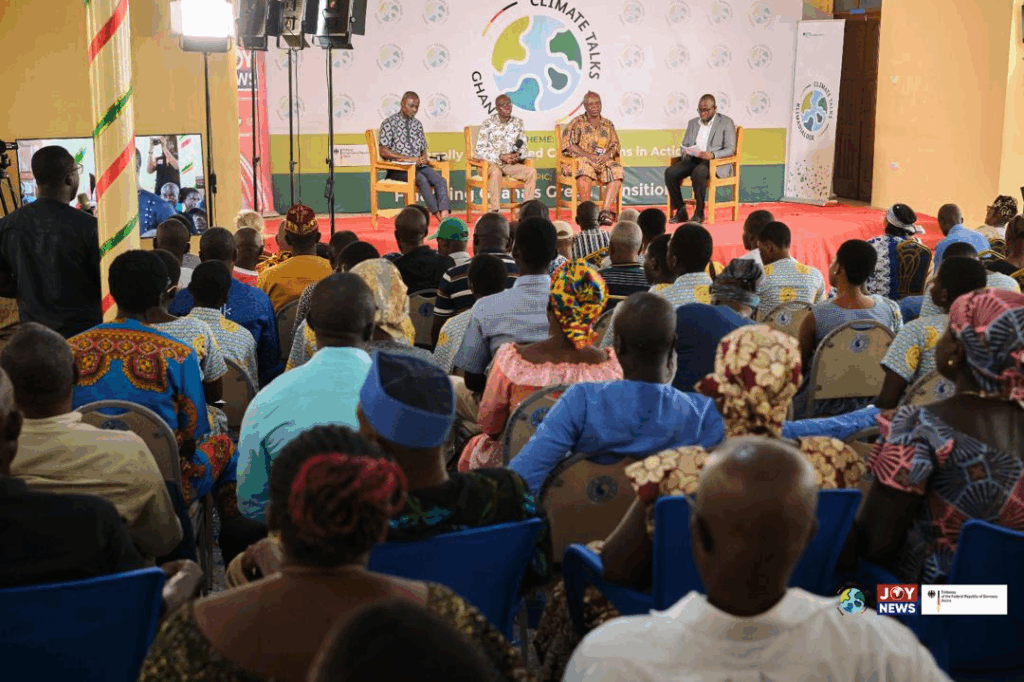
In a bold step towards addressing these challenges, JoyNews, in partnership with the Embassy of the Federal Republic of Germany, hosted the second edition of the Climate Talks Dialogue in Keta, with a focus on promoting indigenous knowledge in coastal resilience.
The second edition of the Climate Talks Dialogue aimed to ensure that indigenous knowledge systems are fully recognised and integrated into Ghana’s National Adaptation Plan (NAP) and its Nationally Determined Contributions (NDCs) under the Paris Agreement.
Beyond encouraging open and inclusive dialogue, the event also focused on identifying, documenting, and advocating for the strengthening of both community and policymaker capacities to incorporate traditional practices into long-term climate resilience planning.
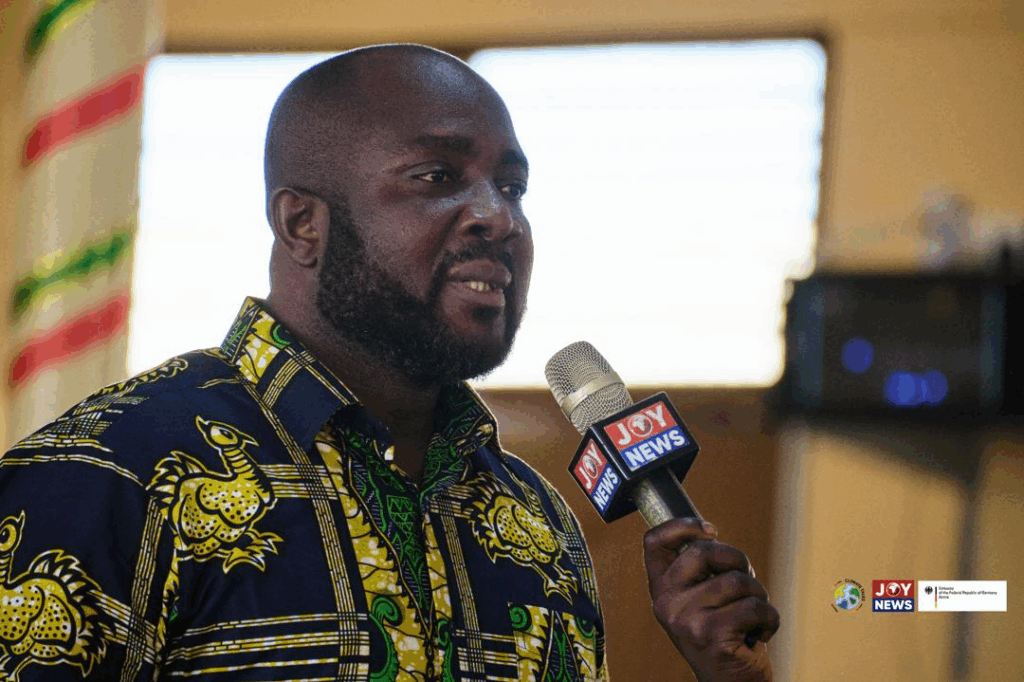
Speaking at the 2025 Climate Talks in Keta, the Municipal Chief Executive, Wisdom Bondzie Seade, made a strong appeal to coastal experts and stakeholders to support efforts aimed at protecting Ghana’s rapidly eroding shorelines.
He identified unchecked construction and illegal sand-winning activities as key contributors to coastal erosion in the Keta Municipality.
“There must be a clearly defined buffer zone that we all respect when putting up structures near the coast,” he emphasised.
Mr Seade further underscored the importance of sea defence systems in mitigating the devastating effects of tidal waves.
He urged the government to fulfil its commitment to extending sea defence infrastructure along Ghana’s vulnerable coastal areas.
“The most reliable solution is the construction of sea defence systems,” he stressed.
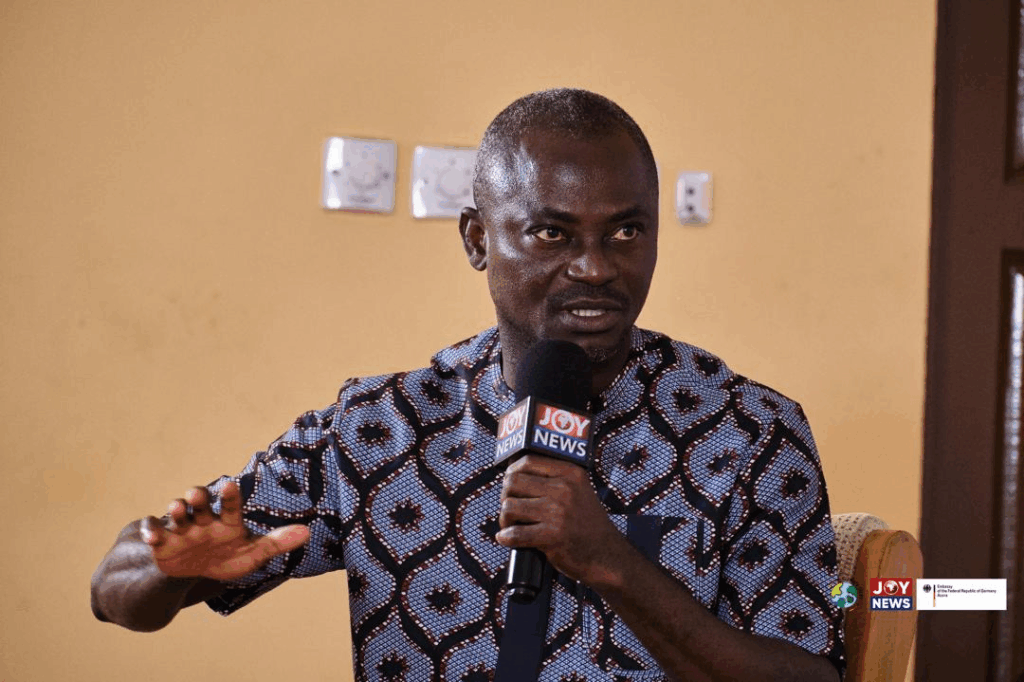
The outgoing Director of the Keta Municipal National Disaster Management Organisation (NADMO), Godknows Y. Bleboo, echoed the call for a more inclusive approach to climate resilience.
He urged policymakers to integrate indigenous knowledge into planning processes, citing the loss of traditional early warning signs—such as bird migration patterns—as a consequence of climate change.
“At one time, large flocks of birds would gather near the shore, alerting fisherfolk to changes in the sea. That natural early warning system has all but disappeared,” he noted.
Mr Bleboo warned that policies often fail at the implementation stage because they overlook local insight.
“They may look good on paper, but without the wisdom of the people who live and work on these shores, they won’t work,” he added.
He also advocated for the planting of vegetation along coastlines as a natural barrier against erosion.
Representing the Centre for Natural Resources and Environmental Management, Joel Kofi Degue reassured residents that comprehensive action is underway.
“The West African Coastal Areas Resilient Investment Project is conducting a full-scale scientific study from Puveme to Aflao. The findings will guide effective, long-term solutions for protecting our coastlines.”
The Climate Talks Dialogue in Keta highlighted a growing consensus among local authorities, disaster experts, and environmental advocates that addressing coastal erosion demands a fusion of science, infrastructure, and indigenous wisdom.
As sea levels rise and climate threats intensify, Ghana’s coastal communities are urging immediate action—not just from government, but from all stakeholders—to safeguard lives, livelihoods, and cultural heritage.
The dialogue in Keta marks a significant step towards a more inclusive, informed, and resilient coastal future.
DISCLAIMER: The Views, Comments, Opinions, Contributions and Statements made by Readers and Contributors on this platform do not necessarily represent the views or policy of Multimedia Group Limited.
DISCLAIMER: The Views, Comments, Opinions, Contributions and Statements made by Readers and Contributors on this platform do not necessarily represent the views or policy of Multimedia Group Limited.