

Audio By Carbonatix
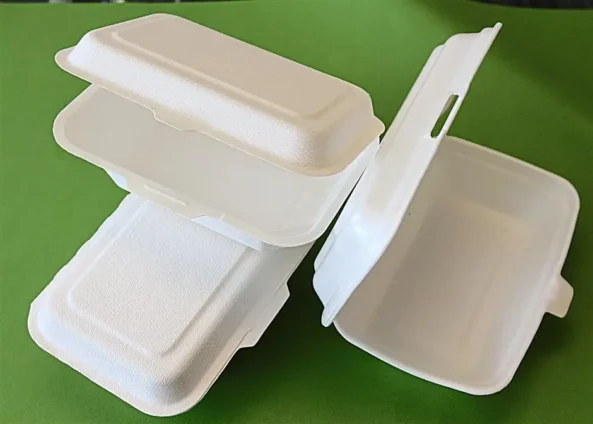
President John Dramani Mahama has declared an impending nationwide ban on the importation and local production of styrofoam plastic (popularly known as takeaway packs), citing its detrimental impact as "one of the most pernicious polluters".
The move signals a decisive shift towards environmentally sustainable packaging solutions, with paper and aluminium foil slated as the preferred alternatives for food packaging across the country.
The President made the significant announcement during a public address today, Thursday, June 5, 2025, underscoring his administration's unwavering commitment to environmental protection and public health.
READ ALSO: Government to ban wooden school furniture, styrofoam food packs
"When you go to buy your food and they put it in that white plastic something… and then you finish eating, you just dump it. That is one of the biggest polluters," President Mahama stated, vividly illustrating the everyday scenario contributing to Ghana's pervasive waste challenges.
The non-biodegradable nature of styrofoam means it persists in the environment for hundreds of years, contributing significantly to the estimated 1.1 million metric tons of plastic waste Ghana generates annually, of which less than 10% is formally recycled.
This widespread litter chokes vital drainage systems, a major factor in the recurrent urban flooding, particularly in Accra, and contaminates water bodies and agricultural lands.
To address this crisis, the President confirmed that the government is moving to outright eliminate styrofoam from the economy.
"With the Ministry of Environment, soon we’re going to ban the importation and production of styrofoam in Ghana. Our food packaging will be made from paper and also from aluminium material," he affirmed.
President Mahama urged manufacturers and importers of styrofoam products to begin immediate preparations for this critical policy change, emphasising that the transition period, while managed, would require proactive engagement from the industry.
This directive aligns with Ghana's broader environmental agenda, which includes initiatives aimed at improving waste management infrastructure and fostering a greener economy. The ban is expected to significantly reduce plastic pollution, improve sanitation, and mitigate the risk of flooding in urban centres, ultimately enhancing the quality of life for citizens.
Latest Stories
-
Empowering excellence: Zenith Bank rewards top WASSCE performer
19 minutes -
T-bills auction: Government exceeds target by 7.4%; 91-day yield falls to 4.71%
22 minutes -
Joy FM’s Showbiz Roundtable on preserving highlife earns strong praise
1 hour -
“Give to Gain”: SILDEP and Gbarakan women group lead community dev’t drive, expose crisis at Tumu Hospital
2 hours -
Wuru residents demand release of abducted youth leader, justice for trader killed near Burkina Faso border
2 hours -
GNFS averts fuel tanker explosion at Wassa Kwabeng
2 hours -
Gold is a better stabiliser of Ghana’s inflation than oil
2 hours -
Livestream: The Probe discusses rising kidney diseases
3 hours -
Aptitude tests were not AI-managed – Muntaka clarifies
3 hours -
Why Ghana must honour 98-year old Dzagbele Matilda Asante
3 hours -
Interior Ministry to introduce private-public gun training scheme to boost firearm safety
4 hours -
Muntaka announces overhaul of gun licensing system to improve oversight
5 hours -
Interior Minister slows gun licence approvals, plans digital registry to tighten firearm control
5 hours -
Over 4,000 firearms retrieved from civilians during gun amnesty – Muntaka
5 hours -
Okada now recognised as mode of transport, gov’t moves to regulate for safety – Amaliba
5 hours