

Audio By Carbonatix
The Social Initiative for Literacy and Development Programme (SILDEP), in collaboration with the Gbarakan Women Group, marked this year's International Women's Day with a major community development drive, making a critical donation that has brought the deplorable state of the Tumu Municipal Hospital into sharp focus.
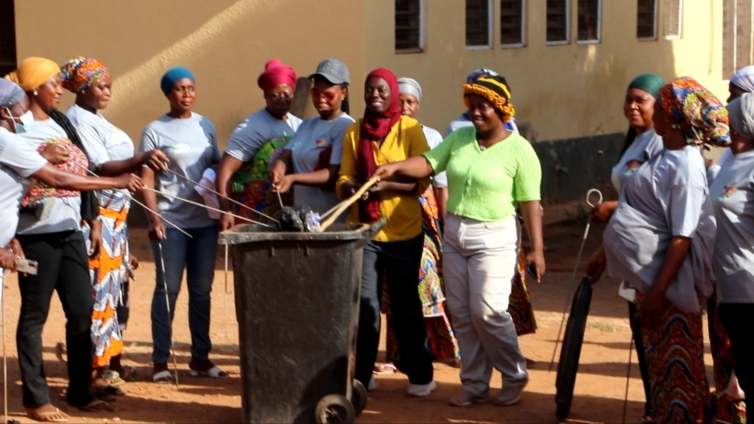
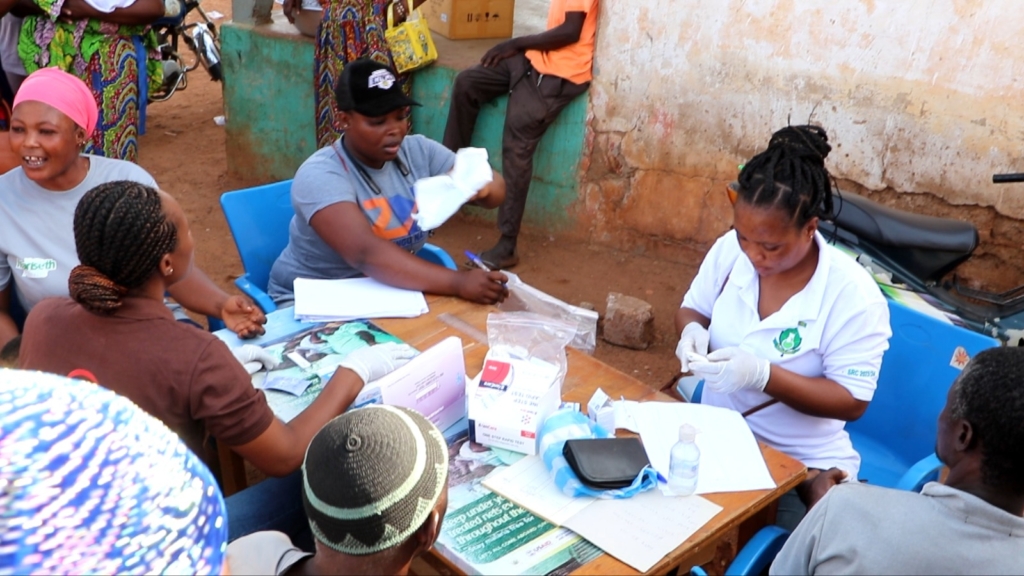
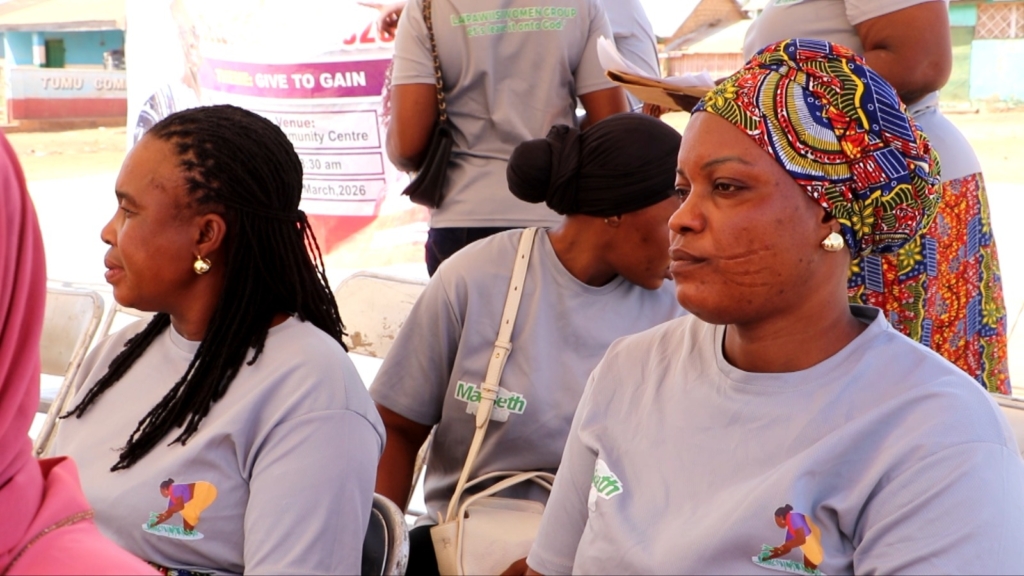
Operating under the theme "Give to Gain," the women spearheaded a vibrant float and clean-up exercise through the principal streets of Tumu, culminating at the municipal hospital, where most of the cleaning was carried out. They later gathered at the community centre for a talk, while a health screening took place.
Speaking at the event, Anthonette Kuukye, representative of SILDEP CEO Mr. Moses Dramani Luri, delivered a powerful call to action, emphasising that true empowerment extends far beyond fair treatment. "Empowering women is not just about fairness. It is about building stronger families, stronger communities, and a stronger nation," Madam Kuukye stated.
She stressed that when women are given a place at decision-making tables, "we gain more inclusive and sustainable solutions." She challenged the community to recognise that "when we give women the opportunity to participate, we gain stronger communities" and that empowering women "does not take power away from men."
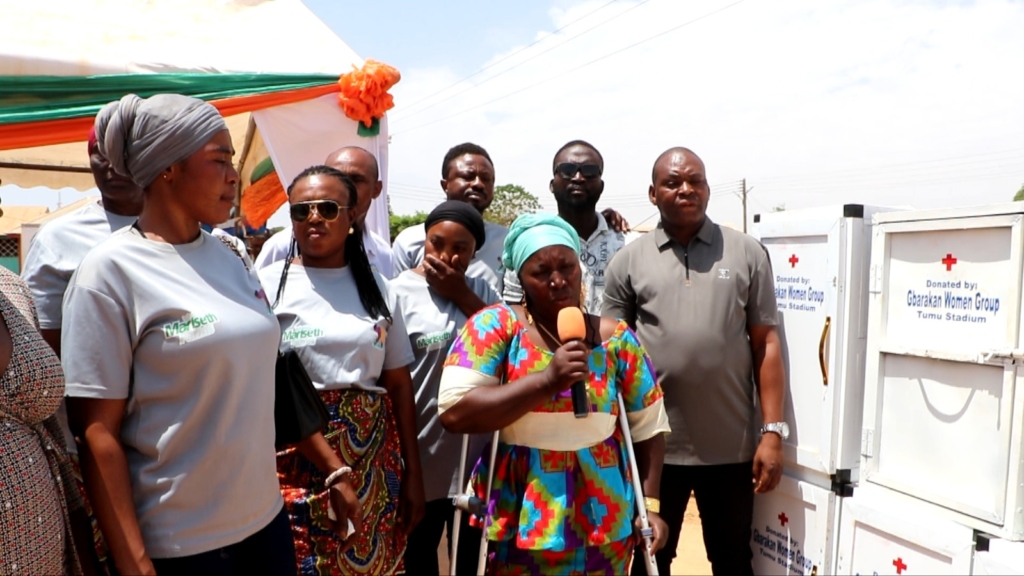
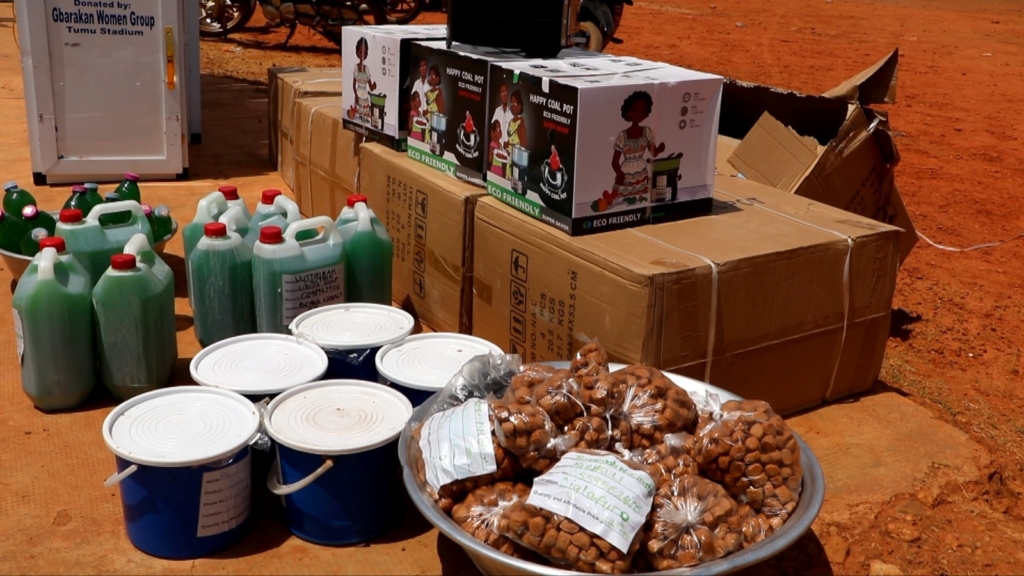
The practical application of this empowerment was evident during their visit to the Tumu Municipal Hospital. The Gbarakan group donated essential wardrobes to support families and patients in the children's ward.
However, the women’s philanthropic gesture also laid bare a severe healthcare crisis. Upon receiving the items on behalf of the facility, the Hospital Administrator, Abdulai Adnan, revealed that the children's ward has been shut down for over six years due to life-threatening structural and electrical defects, including a collapsing roof.
Expressing profound gratitude to SILDEP and the Gbarakan women, Mr. Adnan noted the significant impact the donation would have, as most of the hospital's existing drawers were in poor condition. Yet, he used the platform to issue a desperate plea for intervention.
"We have made frantic efforts. We have contacted a number of people for it to be renovated, or better still, for a new one to be constructed for us, but for the past few years, it remains the same," Mr. Adnan lamented.
He explained that the prolonged closure of the children's ward had forced management to relocate paediatric patients to the emergency ward, effectively leaving the municipality’s sole referral facility without a dedicated emergency unit.
"We are housing them in one corner that contains only two beds," he explained, appealing to both public and private sectors for logistical support, including a new manual X-ray unit.
The timely intervention by the Gbarakan Women Group was driven by a deep sense of maternal duty and economic resilience.
"As women... who always love our children more than our husbands, we planned that we also do something for our children," the Gbarakan women's chairlady explained.
Despite financial constraints, the women—who are actively engaged in local enterprises including soap making, shea oil production, groundnut paste processing, and 'kulili' preparation—mobilised their hard-earned resources, supported by local partners like Engineer Nkruma, to secure the items.
The event, which featured vibrant cultural displays of unity between men and women, also served as a powerful platform for advocacy.
In her closing remarks, the Chair Lady of the Gbarakan group, Issah Laadi Ruth, reiterated the urgent need to address the hospital’s infrastructure, explicitly calling on the Municipal Chief Executive’s representative to relay the message that "the children are our future."
She further challenged the political status quo, echoing Anthonette Kuukye’s concerns by lamenting the severe underrepresentation of women in local governance.
Pointing out that there is not a single female Member of Parliament across the 11 constituencies in the Upper West Region, and only one female assembly member out of 30 in the Sissala East Municipal Assembly, she urged the government to increase female appointments to ensure inclusive development.
Delivering an address on behalf of the CEO of Mariseth Farms, Marian Ofori Twumasi, Gloria Appiah Kubi highlighted the CEO’s journey as proof of female capability and urged the community to protect the next generation.
"Let us prevent our girl children from marrying early. Let us let them know that the strength of a woman is not only in marriage and childbirth, but also in the woman finding herself," she declared.
Latest Stories
-
Parliament questions proliferation of unapproved containers in East Legon
59 minutes -
Promotion arrears alone cannot end teachers’ strike — PRETAG
1 hour -
Ebi Bright alleges assault on driver in dispute with Tema Central MP
1 hour -
GH¢35m Darkuman 24-hour market to be completed in 16 months — MCE
1 hour -
NPP risks losing Karaga seat if Amin Adam doesn’t contest – John Boadu
1 hour -
Ghana Reference Rate falls to 10.04% in October as borrowing costs ease
1 hour -
53% of NPP delegates backed alternatives to John Boadu in chairmanship race – Mussa Dankwah
1 hour -
High taxes, water shortages push up hotel operating costs — Hotels Association
1 hour -
Catholic Bishops demand tougher action on tramadol, marijuana and other drugs
2 hours -
Government positioning Banda District to become major tourism destination hub – Housing Minister
2 hours -
Deputy Education Minister appeals to striking teachers to return to classrooms
2 hours -
Government to involve corporate Ghana in street maintenance – Ayariga
2 hours -
No contractor is untouchable because of political links — Agbodza
2 hours -
Contractors to resume work on Phase Two of Kejetia Market Project
2 hours -
Government committed to resolving teachers’ concerns - Vice President
2 hours