


Audio By Carbonatix
The Regional Water and Environmental Sanitation Centre (RWESCK) at the Kwame Nkrumah University of Science and Technology has been educating pupils, especially in rural communities on the importance of handwashing and other good hygiene practices.
Isaiah Addo, the compound overseer at Ampabame M/A JHS at the Ejisu Municipality in the Ashanti Region recounts how he and his friends ignored the hand washing protocols.
‘’We are favoured to have had this education, even though we were taught by our teachers to wash our hands regularly, we mostly forget,” he said.
He admits that even though the school has Veronica buckets, they do not make use of it.
“Most of the time they are only seen washing their hands after eating, myself included. We were regular at washing hands when Coronavirus was at its peak but now that it is no more a threat, I don’t see why we should be worried.
“Even after I play football, I eat without washing my hands,” he said.
The Centre for Disease Control and Prevention states that keeping the hands clean can prevent 1 in 3 diarrhoeal illnesses and 1 in 5 respiratory infections, such as the common cold or flu.
One good thing about Covid-19 is that the washing of hands became a convention in the country.
According to Tropical Medicine and Health, the Covid-19 pandemic has helped in spreading awareness of essential infection control measures: it has highlighted the importance of personal hygiene.
Nonetheless, the washing of hands in many parts of the country has drastically declined.
A study found that handwashing facilities were inadequate as most of the schools lack clean running water, soap, and tissue.
An expert in environmental health and sanitation at KNUST, Prof. Mrs. Esi Awuah, believes hand washing facilities must be made available to encourage the habit of hand washing in schools, homes and public places.
“If we are telling the children to wash their hands, then the facilities must be in place, when children come to school and see the hand washing basin at the entrance, they will wash their hands.
“Clean water must be available, and the schools which do not have any source of water supply must be provided with at least boreholes and soaps as well. The facilities are very important,” she emphasised.
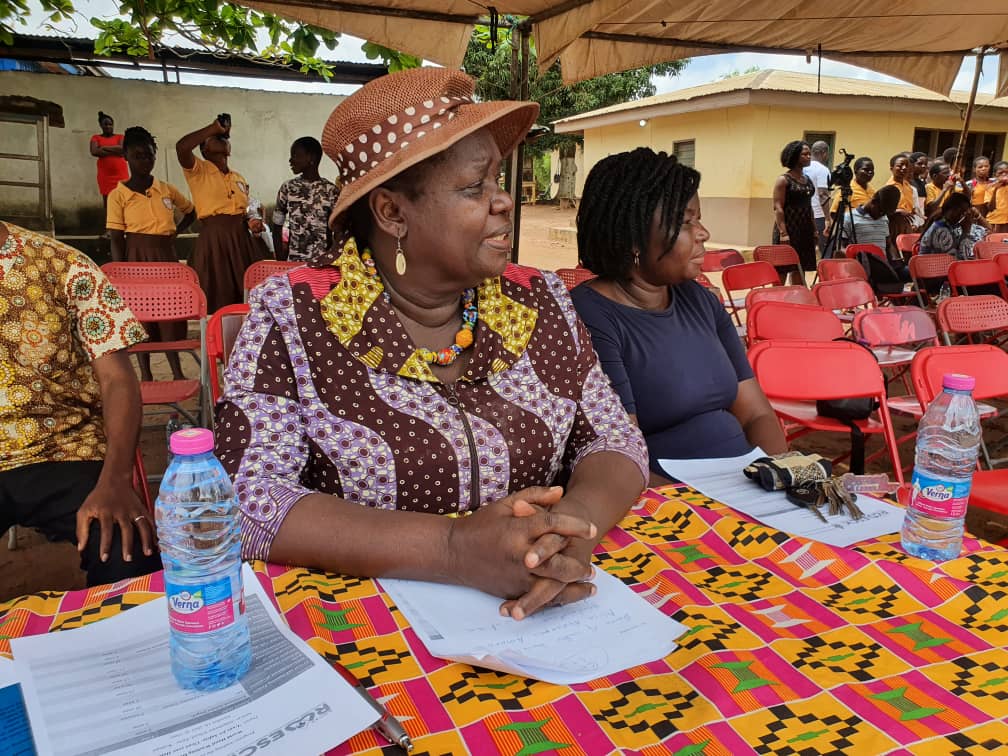
The programme formed part of the activities to commemorate Global Handwashing Day, which is observed every October 15. It was under the theme: “Unite for Safety- Clean your hands.”
The pupils were educated and encouraged on the need to continue hand washing even after the decline of the novel coronavirus.
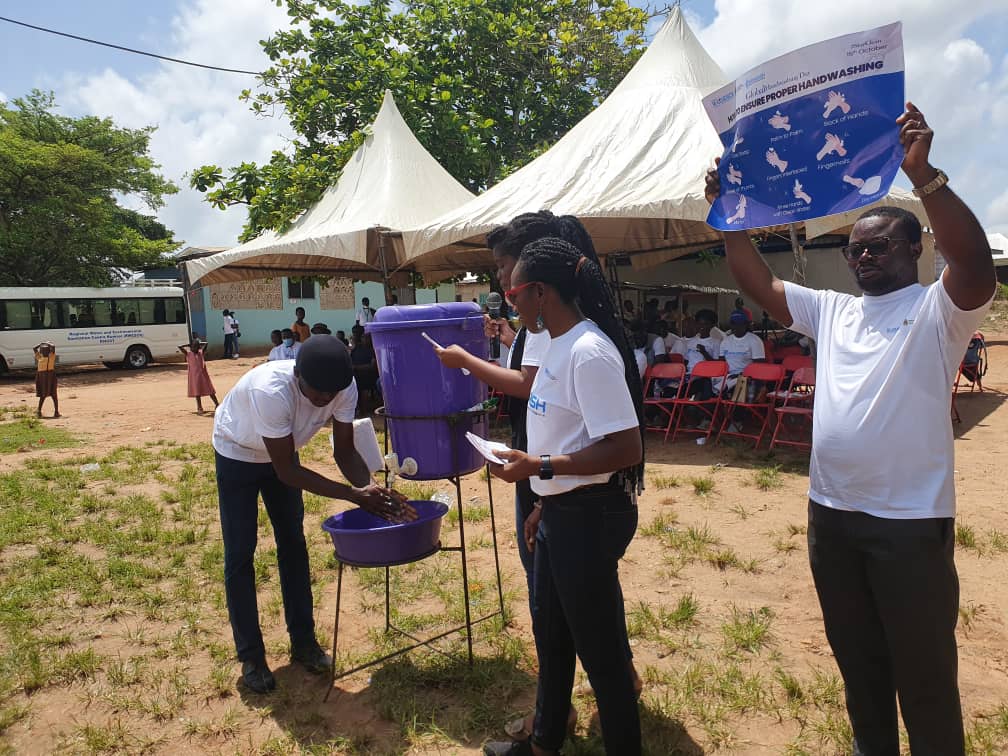
The headmistress of the school, Alice Atinsipa Amoro, believes it is a good step.
“Even though children have been hearing about hand washing, they do not know how important it is in their lives. They are a bit ignorant,” she disclosed.
“With the demonstrations and activities they have witnessed today, I think it will change their mindset. I think with the knowledge they have acquired today; they will also go back to their homes and educate their parents and siblings,” she added.
The students were elated; they now have a different opinion about hand washing. Adnan Lukman is in JHS-2, and he is convinced about the dangers associated with disregarding the hand washing protocols.
“I have learnt how to properly wash my hands. I now understand why I have to wash my hands after playing with my friends and also before eating.
“Washing our hands is very important because it helps us practice personal hygiene,” he added.
“I have learnt all the steps I need to use in washing my hands and I know every one of us has learnt something as well. Now that we know about the risks, I know we will all wash our hands regularly,” says Richmond Akubil, a JHS-3 student.
Portia Ayensu is also in JHS-2, she is now confident about washing her hands regularly.
“To protect myself from germs and bacteria, I will wash my hands all the time, even when I touch a door,” she said.
Beyond the education, RWESCK has been donating tissue, liquid soap, and hand washing stations to the schools to boost proper hand washing practices.
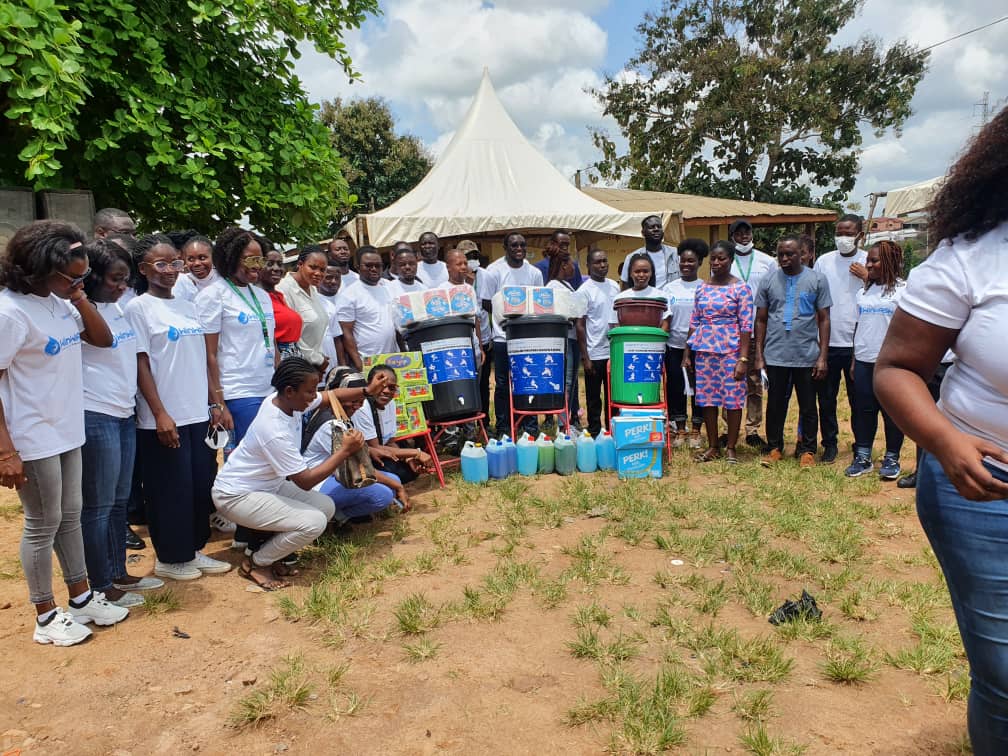
Ampabame adds to the list of schools such as Odaho and Kwaso M/A primaries, RWESCK has impacted.
There is therefore a need to encourage effective handwashing among children in schools.
This will go a long way in helping prevent diseases such as Cholera, Covid-19, and many more.
Ghana's health service can collaborate with other institutions and NGOs that are into water and sanitation to organise such programmes for these schools.
Latest Stories
-
King warns malicious online actors are evolving tactics
4 minutes -
Several injured as Saudi capital airport reportedly hit again
6 minutes -
Christa Pike discharged from hospital and returned to prison, her lawyers say
9 minutes -
Ghana’s BRICS move requires clear strategy to manage risks – Godfred Bokpin
2 hours -
Pay teachers realistic income – Duncan Amoah to gov’t
2 hours -
Bechem to become chicken capital of Ghana – Mahama projects
2 hours -
Gov’t targets recruitment of 16,500 health professionals in 2026
3 hours -
Two-week strike will not derail academic calendar – GNAT President
3 hours -
Headmaster detained after BBC investigation into alleged sexual abuse of students
3 hours -
GNAT pushes for clear implementation procedures of teachers’ conditions of service
3 hours -
Recurrent strikes threaten quality of education and academic calendars – Prof Bokpin
3 hours -
‘Cockroach’ group leaders among hundreds detained in Delhi protest
3 hours -
Don’t let speed of information become your judgement – CJ tells new lawyers
4 hours -
World Cup visa scandal: People have leveraged public office to facilitate fraud – Senyo Hosi
4 hours -
Glut! Farmers count losses as prices crash, customers happy
5 hours