

Audio By Carbonatix
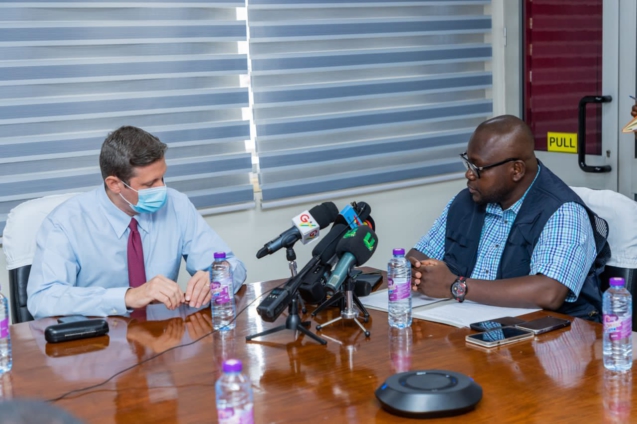
The Minister for Works and Housing, Francis Asenso-Boakye has embarked on a working visit to some cement manufacturing companies with a call on the companies to consider the use of locally available building materials such as pozzolana, in the wake of global crisis, as a good substitute for imported clinker in their productions.
The high price of most commercial housing units has been attributed to cost of building materials which are mainly imported.
Available literature has shown that approximately $350 million is spent annually to import about 85 percent of raw materials to produce cement.
The Minister added that up to $30 million can be saved on imported materials by increasing the production and use of pozzolana cement to help minimize the cost of construction and ultimately improve housing affordability in the country.
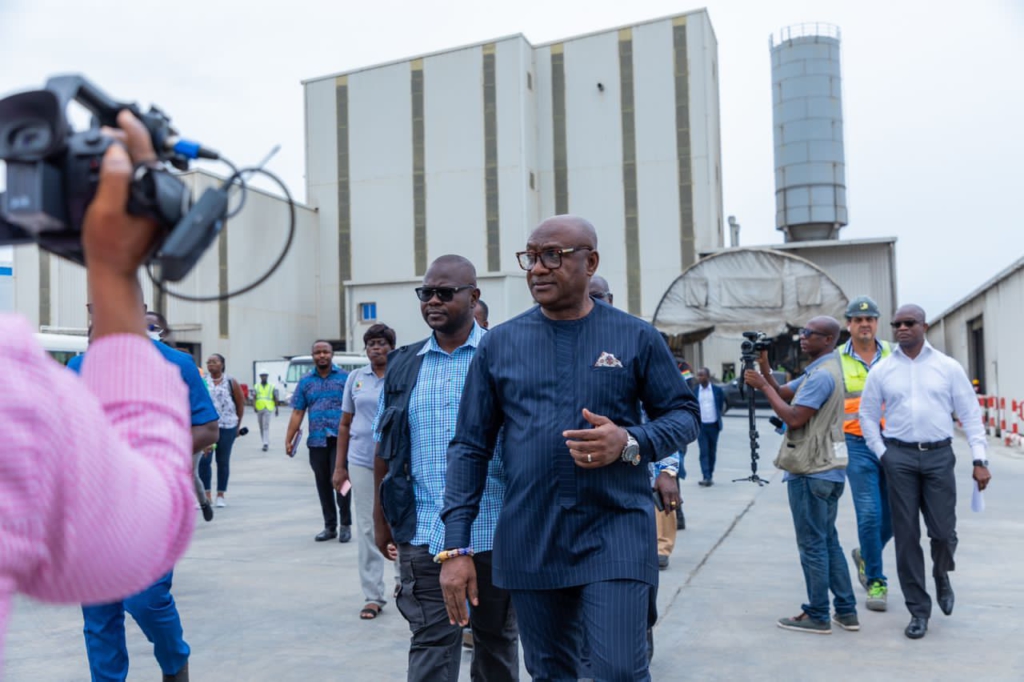
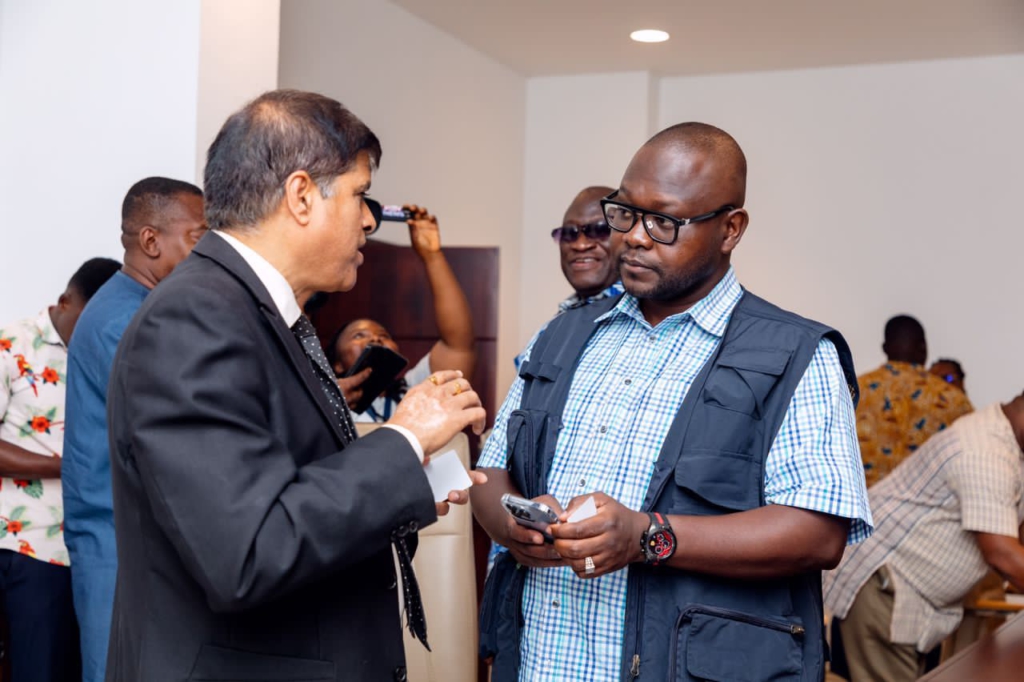
The working visit, which took the sector Minister to GHACEM, Diamond Cement and Dzata Cement today in Tema was meant to understand the operations and most importantly the challenges of the companies and how government can proffer the appropriate interventions.
The government’s new Affordable Housing Programme is a strategic intervention that seeks to provide incentive packages such as unencumbered land banks, infrastructure services on designated lands, tax incentives and exemptions to interested private developers.
This new arrangement is expected to greatly reduce the price of housing units and make it affordable to majority of Ghanaians, who are normally priced out of the markets due to current affordability gap in the real estate industry.
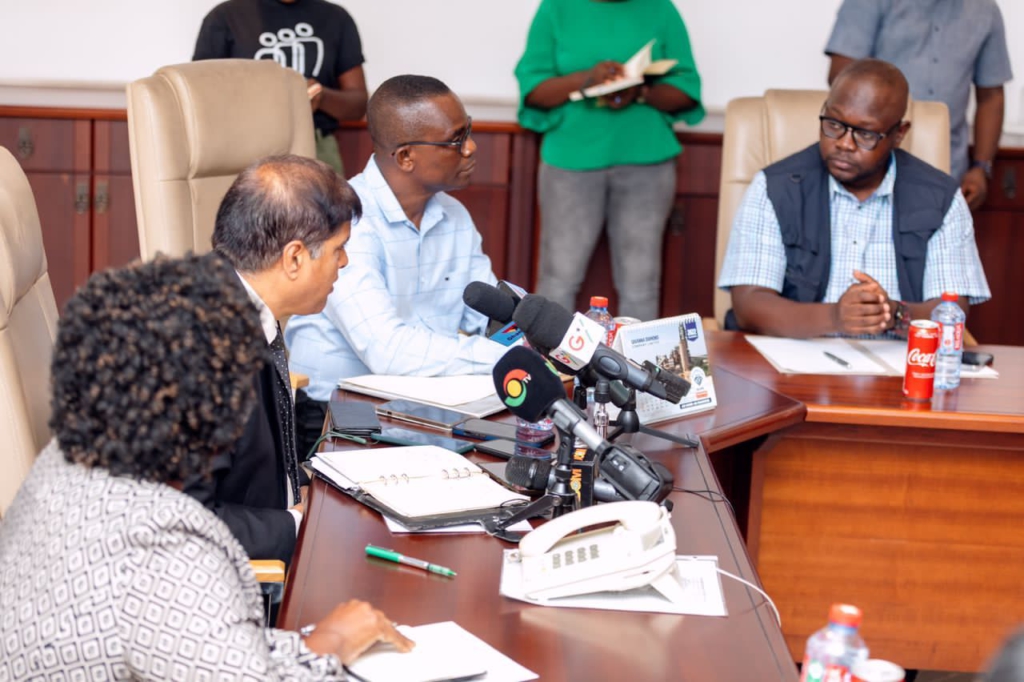
Having identified the supply of cement as one of the major cost drivers in construction, Asenso-Boakye, in his remarks, during the working visit, said the success of the new programme will depend largely on the ability of manufacturing companies to adequately supply cement at an affordable rate.
As a major component in housing construction, the sector Minister believes cement manufacturing companies can support government’s drive towards the delivery of the national Affordable Housing Programme by fixing a specified selling price for the supply of cement.
This, he noted, will minimize the cost of construction, and ultimately increase the affordability of the housing units when the project is completed.
“My visit here today, therefore, seeks to reinforce government’s expressed desire to partner with major cement manufacturing companies in Ghana in the delivery of the National Affordable Housing programme,” the Minister stated.
The Chief Executive Officers of Dzata Cement and GHACEM, Nana Phillip Archer and Stefano Gallini both pledged their respective company’s commitment to government’s vision of providing affordable homes to the citizenry.
Latest Stories
-
‘Ghana cannot afford to waste public resources; every cedi has a job’ – Ato Forson
2 minutes -
Ghana expects economic boost as World Assemblies of God Congress brings 10,000 delegates to Accra
8 minutes -
Joy in Nayilifong as Farouk Aliu Mahama donates 100kVA transformer to improve power supply
37 minutes -
Chief Justice urges employers to tackle mental health stigma in workplaces
1 hour -
Analysis: Ghana’s yellow fever numbers reveal a gap between vaccination and protection
2 hours -
Education Ministry welcomes suspension of teachers’ strike
2 hours -
Vice Chancellors Ghana appeal to striking university administrators to resume work
2 hours -
KNUST postpones 2026/2027 academic year reopening indefinitely amid GAUA strike
2 hours -
Fire destroys mattress factory at Sokoban in Kumasi
3 hours -
ECOM-SMS Ghana launches ‘Agriculture Our Future Clubs’ to address threat of ageing farmer population
3 hours -
Nicholas Atsu Kumi
3 hours -
Cherif Sarr: Economic participation needs more pathways, not one prescribed route
3 hours -
Cyber Security Authority: Ghana led Operation Blackout, not FBI
3 hours -
GH¢800,000 goods destroyed as fire engulfs Kia Rhino truck on Apedwa-Kibi Road
3 hours -
Chief Justice calls for supportive workplaces to address mental health stigma
3 hours