

Audio By Carbonatix
The UN's top court has dismissed Sudan's case against the UAE, accusing the Gulf state of complicity in genocide.
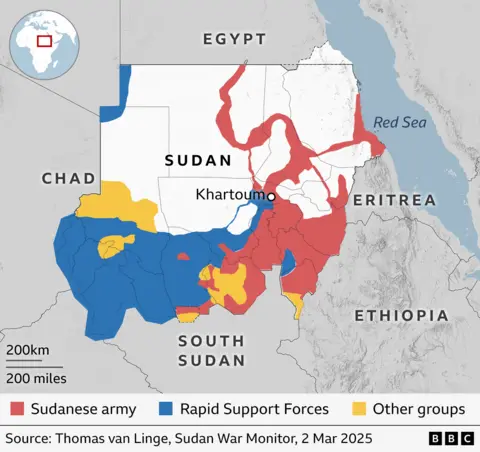
Sudan alleged the UAE supported the paramilitary Rapid Support Forces (RSF) in the Sudanese civil war, in which tens of thousands of people have died, forced millions from their homes and left many facing famine.
The UAE categorically denied the accusations, branding the case "political theatre" and "a cynical publicity stunt".
The International Court of Justice in The Hague ruled that the case could not proceed because the UAE had opted out of Article 9 of the Genocide Convention, which means that it cannot be sued by other states over genocide allegations.
The court said that it lacked jurisdiction and was therefore "precluded by its statute from taking any position on the merits of the claims made by Sudan". The case was thrown out in a 14-2 vote.
Sudan case had claimed that the UAE's alleged military, financial and logistical backing of the RSF - including weapons shipments and mercenary recruitment - enabled systematic attacks against non-Arab communities, particularly the Masalit, in Darfur.
The allegations included mass killings, forced displacement and the use of sexual violence as a weapon.
Reem Ketait, the UAE's deputy assistant minister for political affairs, said the court's decision was "clear and decisive".
"The international community must focus urgently on ending this devastating war and supporting the Sudanese people, and it must demand humanitarian aid reaches all those in need," she said.
Both the Sudanese army and the RSF have been accused of committing atrocities, including ethnically targeted killings, obstruction of humanitarian relief and looting.
Sudan's case at the ICJ was unusual because it targeted an alleged sponsor of atrocities, not the direct perpetrators.
The case was seen as a test of whether states can be held responsible for fuelling atrocities abroad.
While the ICJ's judges found they did not have the power to rule in the case, it nevertheless serves as a powerful illustration of how international courts are becoming diplomatic battlegrounds.
Latest Stories
-
Brandon Asante and Coventry all but promoted to Premier League despite Sheffield Wednesday draw
10 minutes -
GPL 2025/26: Late Kwartemaa strike downs Hearts in Tema
16 minutes -
Ghana Faces Sierra Leone Moment as Prosecutorial Powers come under strain
26 minutes -
Don’t consume fish or seafood from Tema Shipyard until further notice – FDA warns
31 minutes -
Why volunteering might be Africa’s most underrated career accelerator
37 minutes -
ActionAid Ghana raises concern over gender gaps in Feed Ghana Programme
39 minutes -
Windstorm wreaks havoc in Gushegu, displacing nearly 2,000 residents and damaging schools
42 minutes -
Friends of Bridget Bonnie Marks her 35th birthday with donation to Kasseh Model Health Centre
1 hour -
From Ekumfi Kokodo to the Pulpit Stage: Essi Donkor’s gospel journey takes shape
2 hours -
Landfilling waste management creates no value, it’s an economic waste
2 hours -
Photos: Speaker Bagbin Commissions MPs constituency office under parliamentary decentralisation programme
2 hours -
Black Stars technical advisor Winfried Schäfer sacked as GFA shakes up backroom staff
2 hours -
Wenchi water project almost complete, critical to gov’t agenda – GWL MD
3 hours -
Anti-LGBTQ+ bill not part of government’s legislative agenda – Inusah Fuseini
3 hours -
Anti-LGBTQ Bill: Forget the rumour mongers, I’m a man of action, and will pass the bill – Speaker
3 hours